
Salads
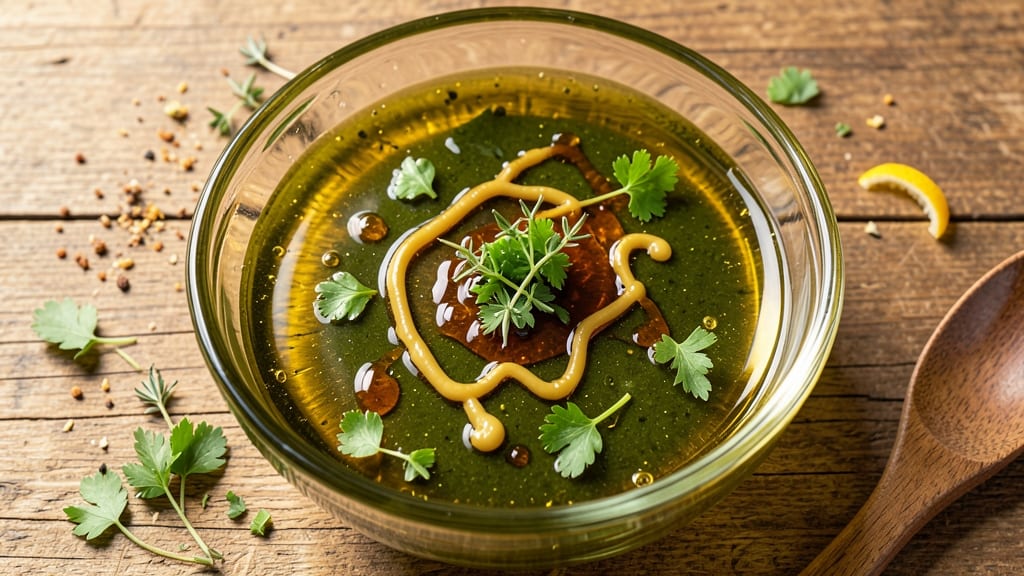
This apple cider vinegar and oil salad dressing recipe transforms simple pantry staples into a vibrant, tangy emulsion that elevates every salad. The secret lies in balancing sharp apple cider vinegar with smooth olive oil, creating a dressing that's bright, herbaceous, and perfectly balanced—without requiring fancy ingredients.
I developed this version after years of testing, ensuring it stays creamy, clings to greens, and delivers that signature tangy kick that cuts through rich ingredients.
The beauty of this dressing is its versatility—it works equally well on crisp arugula, hearty kale, or fresh garden salads. A touch of Dijon mustard acts as the emulsifier, binding the oil and vinegar into a silky, stable dressing that won’t separate.
For extra depth, fresh herbs like thyme or parsley add an aromatic finish, while a hint of honey or maple syrup balances the acidity for a touch of sweetness. The recipe is naturally vegan, gluten-free, and requires just minutes to prepare.
What sets this dressing apart is its ability to stay fresh for up to a week in the fridge, making it ideal for meal prep. The emulsion remains smooth and flavorful, ready to brighten lunches or drizzle over roasted vegetables.
Whether you're a home cook or a seasoned chef, this dressing is a game-changer—simple enough for weeknight meals but sophisticated enough for dinner parties. Let’s make it.
The key to success is whisking the ingredients thoroughly and storing them in an airtight container. For extra flair, adjust the vinegar-to-oil ratio to suit your taste—more vinegar for a sharper tang, or more oil for a richer finish.
This dressing is your new go-to for adding freshness and depth to any dish, proving that the best flavors often come from the simplest combinations.
Ingredients for apple cider vinegar and oil salad dressing
Simple pantry staples and fresh herbs create a dressing that's tangy, herbaceous, and perfectly balanced.
| Ingredient | Amount | Notes |
|---|---|---|
| Extra-Virgin Olive Oil 🫒 | ¾ cup | High-quality, fruity variety preferred |
| Apple Cider Vinegar 🍎 | ½ cup | Raw, unfiltered for best flavor |
| Dijon Mustard 🌶️ | 1 tbsp | For emulsification and depth |
| Pure Maple Syrup 🍁 | 1 tbsp | Balances acidity naturally |
| Fresh Thyme Leaves 🌿 | ¼ cup | Finely chopped, stems removed |
| Fresh Parsley Leaves 🌿 | ¼ cup | Finely chopped for brightness |
| Sea Salt 🧂 | ½ tsp | Fine grain, to taste |
| Black Peppercorns 🌶️ | ¼ tsp | Freshly cracked for aroma |
The olive oil is the heart of this dressing—extra-virgin makes all the difference. Look for bottles labeled 'first cold press' at Whole Foods or Trader Joe's for the richest flavor. Apple cider vinegar should be raw and unfiltered (like Bragg's or Zevi) for that complex, slightly sweet tang. Fresh herbs are non-negotiable here—thyme adds earthiness while parsley brings brightness. If you can't find fresh, dried works at one-third the amount, but it won't be the same. The maple syrup balances the acidity without overpowering—Grade A is ideal, but any pure maple will do.
No Dijon mustard? Whisk together 1 tsp yellow mustard powder with 1 tsp water as a substitute. Short on herbs? Fresh dill or tarragon work beautifully in place of parsley. For extra depth, add 1 tsp minced shallot or 1 tsp honey if you're avoiding maple syrup. The sea salt should be fine grain—Diamond Crystal is perfect for this recipe. If you're making a batch for company, double the recipe but keep the ratios identical. The dressing stays stable for up to 2 weeks when properly stored, so it's perfect for meal prep.
Whisk everything together in a glass jar with a tight-sealing lid—this keeps the emulsion stable. Store in the fridge, and give it a good shake before each use. The dressing will separate slightly over time, but the mustard acts as a natural emulsifier to bring it back together when whisked. For extra stability, add 1 tsp xanthan gum (optional). Keeps for up to 1 week in the fridge, and the flavors actually deepen over time—perfect for brightening up salads all week long.
Why You'll Love This Recipe
- Five-Ingredient Magic: I swear by this combo—just shake, pour, done. No whisking, no straining, no stress. The Dijon and maple syrup blend instantly into something smooth, and the thyme adds that earthy whisper without overpowering.
- Sweet-Tart Balance: That maple syrup might seem odd at first, but trust me: it rounds out the sharpness of the apple cider vinegar like a hug. The olive oil ties it all together, rich and velvety, while the thyme leaves give it a subtle herbal lift that makes every bite feel intentional.
- Lunchbox to Dinner: I keep a jar of this in the fridge all week—drizzled on greens for a quick lunch, tossed with roasted veggies for dinner, or even stirred into grain bowls. The vinegar cuts through richness, and the maple syrup keeps it from feeling too sharp, so it works for everything.
- No-Waste Pantry Staple: Honestly, I bet you already own everything here. Olive oil? Check. Vinegar? Probably in your fridge. The maple syrup and thyme might be splurges, but they last forever, and a little goes a long way. Plus, you’ll use it up before it expires—promise.
Step-by-step instructions for apple cider vinegar salad dressing
This dressing comes together in minutes with simple techniques for vibrant flavor balance.
Whisk Together the Liquid Base
In a medium bowl, combine the 0.75 cup extra-virgin olive oil and 0.5 cup apple cider vinegar. I like to start with just these two ingredients to create the foundational balance between richness and acidity. Use a whisk and move in steady, circular motions for 30 seconds—this helps emulsify the oil and vinegar slightly before adding the other ingredients.
Here's the thing—don't be tempted to overmix at this stage. The olive oil and vinegar will naturally separate slightly, and that's okay. We'll address that separation in the next step when we incorporate the mustard. The key is to get everything just combined at this point, not perfectly emulsified yet.
Add Mustard and Maple Syrup for Emulsification
Next, add the 1 tablespoon Dijon mustard and 1 tablespoon pure maple syrup to the bowl. The Dijon mustard acts as our emulsifier, helping to bind the oil and vinegar together. Whisk vigorously for 1 minute until the mixture begins to thicken and the ingredients are fully incorporated.
You'll notice the dressing will look slightly cloudy at first, but as you whisk, it should start to come together into a more cohesive texture. The maple syrup here isn't just for sweetness—it also helps balance the acidity of the vinegar and adds a subtle depth of flavor. If you're using raw, unfiltered apple cider vinegar, you might find it has a slightly sweet, complex taste already, so don't be afraid to adjust the maple syrup to your preference.
Fold in Fresh Herbs and Seasonings
In a separate small bowl, combine the 0.25 cup finely chopped fresh thyme leaves and 0.25 cup finely chopped fresh parsley leaves. The herbs should be finely chopped—almost like a rough chop—to ensure they distribute evenly throughout the dressing. Gently fold these herbs into the dressing using a spatula, being careful not to overmix and break down the herbs into a pulp.
Add the 0.5 teaspoon sea salt and 0.25 teaspoon freshly cracked black peppercorns to the bowl. The salt should be fine grain to dissolve smoothly, and the peppercorns should be cracked just before adding to release their maximum aroma. Give the dressing one final stir to combine all the ingredients evenly. At this point, the dressing should have a bright, herby aroma with a tangy, slightly sweet profile.
Rest and Adjust for Perfect Consistency
Let the dressing rest at room temperature for 10-15 minutes. This resting period allows the flavors to meld together and the dressing to reach its ideal consistency. During this time, you might notice some separation—this is completely normal and expected with vinegar-based dressings.
Before using, give the dressing a good stir. If it's too thick for your liking, you can thin it out by adding 1 teaspoon of water or apple cider vinegar at a time until it reaches your desired consistency. Conversely, if it's too thin, you can thicken it by adding 1 teaspoon of extra-virgin olive oil and whisking again. The dressing should coat the back of a spoon but still pour easily. Taste and adjust the seasoning if needed—you might want to add a pinch more salt or a splash of vinegar to enhance the tang.
Pro Tips For Making Apple Cider Vinegar And Oil Salad Dressing
- Whisk in Stages: Start by mixing the apple cider vinegar, Dijon mustard, and maple syrup—this keeps the sugar dissolved and prevents clumping. Then, slowly drizzle in the olive oil while whisking continuously. I learned this the hard way: pouring oil too fast just creates a gloopy mess that won’t emulsify properly.
- Use Raw (Not Dried) Thyme: Fresh thyme leaves add brightness, but dried thyme turns bitter and overpowers. Strip the leaves from the stems with your fingers—no need to chop them. (Yes, even if you’re impatient like me, this step makes a real difference.)
- Balance the Vinegar: Apple cider vinegar is tangy, but too much makes the dressing harsh. Start with 2 tablespoons per ¼ cup oil, then taste before adding more. If it’s too sharp, a pinch of salt or an extra drizzle of maple syrup fixes it—no need to start over.
- Store Oil Separate: This isn’t a vinaigrette you’ll use in one sitting. Keep the oil and vinegar-mustard mixture in separate jars in the fridge. Shake like crazy before each use—this keeps the dressing fresh and smooth for days. (Your future self will thank you.)
Regional styles of apple cider vinegar and oil salad dressing
French Rustic Twist
The French have mastered the art of balancing acidity with richness, and this dressing is no exception. In Provence, they’d add 1 tsp finely minced shallot and ½ tsp dried tarragon for a more sophisticated touch.
I often substitute the thyme with fresh marjoram for a floral note that’s quintessentially French. Serve this version over mixed greens with roasted chicken for a bistro-style salad. 🍷
Southern American Heat
Down South, they love their dressings bold and tangy. Swap the maple syrup for 1 tbsp honey and add ½ tsp smoked paprika for depth. I’ve seen Southern cooks use hot sauce (like Crystal brand) instead of vinegar for extra heat.
This version pairs perfectly with collard greens and grilled shrimp—a true Southern classic. 🌶️
Italian Herb-Forward Style
In Italy, they focus on fresh herbs and bright flavors. Replace the thyme with ½ cup fresh basil and add 1 tsp lemon zest for a citrusy kick.
I’ve made this version with balsamic vinegar instead of apple cider for a richer, slightly sweeter profile. It’s fantastic drizzled over caprese salad or roasted vegetables. 🌿
German Mustardy Depth
German dressings often feature a stronger mustard presence. Increase the Dijon mustard to 2 tbsp and add 1 tsp whole-grain mustard for texture. A splash of beet juice (about 1 tsp) adds a subtle earthiness that’s classic in German cuisine.
This version works beautifully with cucumber and potato salads. 🥕
Nordic Lightness
Scandinavian dressings tend to be lighter, focusing on freshness. Reduce the maple syrup to ½ tbsp and add 1 tsp grated horseradish for a peppery bite.
I’ve seen Nordic cooks use dill instead of parsley for a brighter, cleaner flavor. This version is perfect with beet and goat cheese salads. ❄️
Mediterranean Citrus Bright
In Mediterranean regions, citrus takes center stage. Add 1 tbsp fresh orange juice and 1 tsp orange zest to the base. I often swap the parsley for fresh mint for a refreshing twist. This dressing shines when paired with grilled halloumi and watermelon salads. 🍊
Nutrition facts
Frequently asked questions
Why does my apple cider vinaigrette separate?
Separation is completely normal with vinegar-based dressings—it doesn't mean it's bad! The oil and vinegar naturally separate because they have different densities. The Dijon mustard acts as an emulsifier, but give it a good whisk or shake before using. For extra stability, add 1 tsp xanthan gum next time or whisk in 1 tsp water to help bind the ingredients.
Can I make this dressing without Dijon mustard?
Mix 1 tsp yellow mustard powder with 1 tsp water to replace the Dijon. Another option is 1 tsp honey or maple syrup—these can help emulsify while adding sweetness. Just whisk vigorously for 2 minutes to ensure everything combines smoothly.
How long will this dressing keep in the fridge?
This dressing stays fresh for up to 1 week when stored in an airtight container. The flavors actually deepen over time, making it perfect for meal prep! If you notice mold or an off smell, it's time to toss it. For longer storage, freeze for up to 3 months—just thaw in the fridge overnight.
What are the best salads to pair with this dressing?
This bright, herby dressing shines on arugula, kale, and mixed greens with nuts and dried fruit. It also works beautifully with roasted vegetables, grilled chicken, or even as a marinade for tofu. The tangy-sweet balance cuts through rich ingredients like avocado or buttery croutons.
Can I adjust the sweetness or tanginess?
Yes! For more tang, add 1 extra tbsp vinegar. For extra sweetness, increase the maple syrup to 2 tbsp. To balance both, try 1 tsp honey or agave—just taste as you go. The key is to adjust gradually, as vinegar and sweetness can overpower quickly.