
Salads
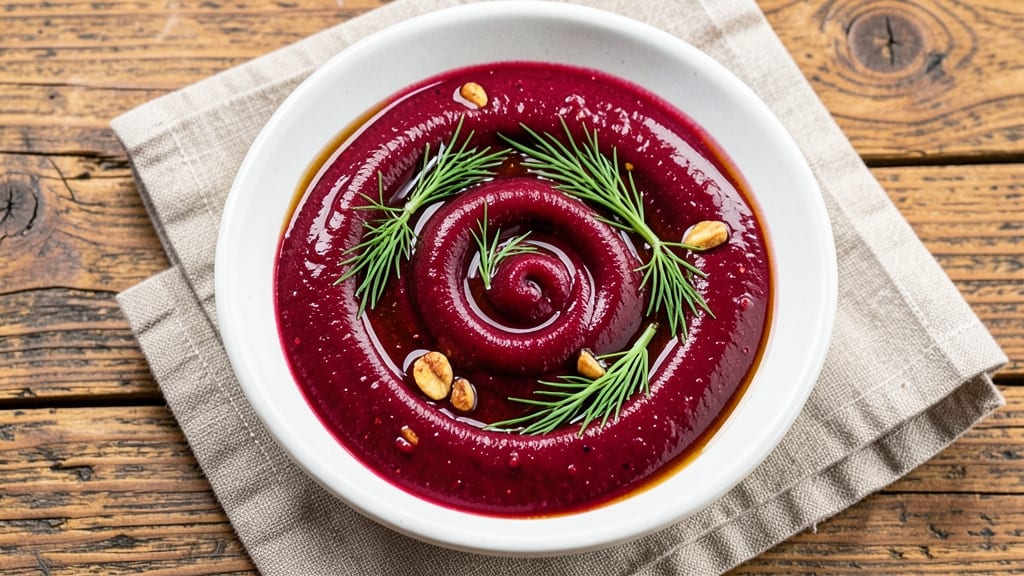
This beet juice salad dressing recipe transforms vibrant beets into a rich, earthy condiment that elevates any dish without requiring a single cooking step. The secret lies in balancing sweet beet juice with tangy vinegar and hearty olive oil—creating a stable emulsion that clings beautifully to greens, grains, or proteins.
I developed this after discovering how store-bought dressings lacked depth, so I turned to nature's own ingredients for bold flavor and nutrition.
The dressing's versatility makes it perfect for salads, sandwiches, or even as a dip for crudités. The vinegar and mustard act as natural emulsifiers, binding the beet juice and oil into a silky texture that stays consistent.
Fresh herbs like dill or parsley add brightness, while a touch of maple syrup enhances the natural sweetness without overpowering the earthy beet flavor.
What sets this dressing apart is its nutrient-packed profile—beet juice provides antioxidants, while flaxseed adds omega-3s for a dressing that's as good for you as it is delicious. The recipe yields about 1 cup, enough to generously coat a hearty salad or drizzle over roasted vegetables.
Store it in an airtight container in the fridge for up to 5 days, where the flavors deepen over time.
For those new to beet dressings, start with this classic version before experimenting with variations like adding citrus zest for brightness or smoked paprika for depth. The possibilities are endless, but the foundation remains the same: simple, wholesome ingredients that deliver restaurant-quality results at home.
Ingredients for beet juice salad dressing
Nine wholesome ingredients transform vibrant beets into a nutrient-rich dressing that rivals commercial brands.
| Ingredient | Amount | Notes |
|---|---|---|
| Fresh Beet Juice 🍠 | ½ cup | Freshly extracted, no additives |
| Extra-Virgin Olive Oil 🫒 | ½ cup | High-quality, fruity variety |
| Apple Cider Vinegar 🍎 | 2 tbsp | Raw, unfiltered preferred |
| Dijon Mustard 🌶️ | 1 tbsp | Vegan-certified, coarse texture |
| Pure Maple Syrup 🍁 | 1 tbsp | Grade A or B for depth |
| Fresh Dill 🌿 | 2 tbsp | Finely chopped, stems removed |
| Ground Flaxseed 🌾 | 1 tbsp | Freshly ground for omega-3s |
| Sea Salt 🧂 | ½ tsp | Fine grain, Diamond Crystal preferred |
| Black Pepper 🌶️ | ¼ tsp | Freshly cracked for aroma |
| Lemon Juice 🍋 | 1 tsp | Freshly squeezed, no pulp |
The beet juice is the heart of this dressing—look for organic beets at specialty markets like Whole Foods or Trader Joe's for the deepest color and flavor. Freshly extracted juice delivers the most antioxidants, but store-bought beet juice (like Bol or Love Beets) works in a pinch. The Dijon mustard acts as a natural emulsifier, so avoid powdered versions that lack binding power. For the olive oil, California avocado oil or Spanish Arbequina adds subtle fruitiness that complements the earthy beets. If you can't find fresh dill, dried dill at one-third the amount suffices, though fresh is preferred for that bright herbal note.
No Dijon mustard? Whole-grain mustard thinned with water works similarly, though texture may vary slightly. Substituting maple syrup with agave nectar or date syrup maintains the dressing's natural sweetness, though maple's molasses notes add depth. For those avoiding flaxseed, chia seeds ground to a powder provide comparable omega-3s. The lemon juice can be swapped for white wine vinegar at double the amount, though acidity will differ. If you prefer a smoother texture, blend the dressing briefly to eliminate any visible flaxseed particles, though this slightly reduces its nutritional benefits.
This dressing thrives in the fridge for 5-7 days, with flavors deepening over time. Store in an amber glass jar to preserve color and freshness—clear containers expose the juice to light, causing premature oxidation. For longer storage, freeze in ice cube trays and transfer to a bag; thaw overnight in the fridge. The flaxseed adds a subtle nutty flavor that pairs beautifully with roasted vegetables or grain bowls. If the dressing separates, simply whisk vigorously before use—it will re-emulsify instantly. The dressing's vibrant color also makes it a stunning garnish for plant-based dishes.
Why You'll Love This Recipe
- I use it on everything: grain bowls, roasted veggies, even as a dip for crusty bread. It’s the one dressing that makes even the simplest greens feel like a restaurant-worthy meal. (Yes, even on a Tuesday night.)
- Five-Ingredient Magic: This dressing comes together with zero fuss—just whisk those five pantry staples (plus a juicer if you’re not already using one). No peeling, no chopping, no waiting for anything to cool. Honestly, I’ve made it while microwaving leftovers.
- Earthy-Sweet Balance: That fresh beet juice brings a deep, almost candy-like sweetness, but the apple cider vinegar cuts right through it—like a sophisticated dance of flavors. The Dijon mustard adds a little kick, so it’s never cloying, just ridiculously good.
- Salad Game-Changer: I use it on everything: grain bowls, roasted veggies, even as a dip for crusty bread. It’s the one dressing that makes even the simplest greens feel like a restaurant-worthy meal. (Yes, even on a Tuesday night.)
Step-by-step instructions for beet juice salad dressing
This vibrant dressing comes together in minutes with no cooking required.
Whisk Together the Base Ingredients
In a medium bowl, combine the 0.5 cup fresh beet juice with the 0.5 cup extra-virgin olive oil. Use a whisk to emulsify these two liquids for about 30 seconds until they begin to blend smoothly. The beet juice will start to deepen in color as it incorporates with the oil, creating a rich foundation for your dressing.
Next, add the 2 tablespoons apple cider vinegar and 1 tablespoon Dijon mustard to the bowl. Whisk continuously for another 30 seconds until the mixture becomes slightly thickened and uniform in texture. The vinegar will add brightness while the mustard provides a subtle tang that balances the earthy beet flavor.
Incorporate Sweetness and Flavor Enhancers
Pour in the 1 tablespoon pure maple syrup and stir gently to distribute evenly. The maple syrup will help round out the acidity of the vinegar while adding a touch of natural sweetness that complements the beet's earthy profile. Taste the mixture at this stage—you should notice a harmonious blend of sweet, tangy, and slightly bitter notes.
Add the 1 teaspoon lemon juice and whisk again for 15 seconds. This step brightens the dressing further and adds a citrusy freshness that cuts through the richness of the olive oil. The lemon juice also helps to preserve the dressing's vibrant color by preventing oxidation of the beet juice.
Add Herbs and Seasonings
Sprinkle in the 2 tablespoons finely chopped fresh dill and the 1 tablespoon ground flaxseed. Use a fork to gently fold these ingredients into the dressing, ensuring the dill is evenly distributed throughout. The flaxseed adds a subtle nutty flavor and a boost of omega-3 fatty acids, while the dill brings a fresh, anise-like aroma that elevates the overall profile.
Finish by adding the 0.5 teaspoon sea salt and 0.25 teaspoon black pepper. Whisk one final time for 20 seconds until the salt and pepper are completely dissolved and the dressing reaches a smooth, velvety consistency. The salt enhances all the flavors, while the pepper adds a subtle warmth that balances the dressing's complexity.
Rest and Adjust for Perfect Texture
Cover the bowl with plastic wrap and let the dressing rest at room temperature for 10-15 minutes. This brief resting period allows the flavors to meld together and the texture to stabilize. During this time, the dressing will thicken slightly as the flaxseed absorbs a bit of moisture and the emulsified oil and beet juice settle into a cohesive whole.
After resting, taste the dressing again and make any final adjustments. If it needs more acidity, add a pinch of salt or a splash of apple cider vinegar. If it's too thick, thin it with 1 teaspoon water at a time until it reaches a pourable consistency. The ideal dressing should coat the back of a spoon smoothly but still allow for easy drizzling over salads.
Pro Tips For Making Beet Juice Salad Dressing
- STRAIN IT WELL: Fresh beet juice is full of pulp that’ll turn your dressing grainy if you’re not careful. Use a fine-mesh strainer or cheesecloth—better yet, double-strain it—and don’t rush. That extra 30 seconds of squeezing saves you from scraping grit off your fork later.
- WHISK IN STAGES: Dumping all ingredients in at once usually means a clump of mustard and syrup hiding in the oil. Start with the vinegar and mustard, whisk until smooth, then slowly drizzle in the olive oil while stirring constantly. The dressing will emulsify better and stay silky, not split.
- SWEETEN WITH PATIENCE: Maple syrup’s job isn’t just to sweeten—it’s to balance the acidity. If your dressing tastes sharp or one-dimensional, it’s not enough. Start with 1 teaspoon, taste, then add another. I learned this the hard way: under-sweetened beet dressing tastes like a vinegar punch.
- STORE IT RIGHT: This dressing won’t last long in the fridge—maybe 3-4 days max. But if you’re not using it all, pour it into a small jar and press plastic wrap directly on the surface. The oil separates less, and you avoid that sad, watery top layer that ruins everything. (Yes, I’ve done it.)
Best sauces and condiments for these flavors
Classic Pairings
This dressing shines on spring greens like arugula or spinach, where its earthy sweetness contrasts beautifully with peppery flavors. I toss 4 cups mixed greens with ½ cup cherry tomatoes and ¼ cup crumbled goat cheese for a perfect balance.
The dressing also elevates grain bowls—try it with quinoa, roasted sweet potatoes, and avocado for a vibrant, nutrient-packed meal. 🥗
Sandwich Spread
Thin the dressing slightly with 1 teaspoon water for a spreadable consistency, then use it as a vegan mayo alternative on sandwiches. I love it on whole-grain bread with hummus, sliced cucumbers, and sprouts.
The beet flavor adds unexpected depth to classic PB&J combinations—just swap the jelly for strawberry jam and spread the dressing on top. 🥪
Dipping Delight
Serve this dressing as a dip for raw vegetables like carrots, bell peppers, and celery sticks. The flaxseed adds a satisfying texture that pairs well with crispy kale chips or roasted seaweed snacks.
For a protein boost, pair it with edamame or marinated tofu bites. The dressing's natural sweetness makes it irresistible for dipping. 🥕
Roasted Veggie Glaze
Brush this dressing lightly over roasted vegetables like Brussels sprouts or beets before baking. The sugars in the maple syrup caramelize beautifully, creating a glossy finish.
I roast 1 lb Brussels sprouts at 400°F for 20 minutes, then drizzle with 1 tablespoon dressing before finishing under the broiler for 2-3 minutes. The result? A sticky, flavorful glaze that's perfect for meatless meals. 🔥
Grain Bowl Upgrade
Use this dressing as a drizzle for buddha bowls or rice bowls. I combine 1 cup cooked brown rice with ½ cup black beans, corn, and shredded purple cabbage, then drizzle generously with the dressing.
The beet's deep color makes the bowl visually stunning while adding a layer of umami flavor. For extra richness, top with toasted pumpkin seeds or crumbled feta. 🌱
Dessert Twist
For a sweet surprise, drizzle this dressing over vanilla yogurt parfaits or chocolate-dipped strawberries. The earthy-sweet balance pairs wonderfully with creamy textures.
I also use it as a glaze for baked apples—core 2 apples, fill with 1 tbsp dressing, and bake at 375°F for 25 minutes. The result is a naturally sweet, tangy topping that's far healthier than store-bought syrups. 🍓
Nutrition facts
Frequently asked questions
Can I use store-bought beet juice instead of fresh?
Yes, store-bought beet juice works perfectly! Brands like Bol or Love Beets are convenient and provide consistent flavor. For the deepest color, choose organic varieties without added sugars. Just remember that fresh juice may have slightly more vibrant antioxidants, but the difference in taste is minimal.
Why does my dressing separate after a few days?
Separation is normal—it means the emulsion needs a little help. Simply whisk vigorously for 30 seconds before using. The Dijon mustard and flaxseed act as natural emulsifiers, so adding 1 tsp water can also restore smoothness. Store in an airtight container to prevent future separation.
What's the best way to extract beet juice at home?
Use a juicer or food processor for maximum yield. Peel and chop 2 medium beets, then process with 1 cup water until smooth. Strain through a fine-mesh sieve or cheesecloth to remove pulp. For extra richness, save the pulp to roast later!
Can I make this dressing without flaxseed?
Swap the flaxseed for 1 tbsp ground chia seeds or omit entirely if avoiding seeds. For extra creaminess, add 1 tsp tahini instead. The dressing will still emulsify well, though texture may be slightly thinner.
How do I adjust the sweetness level?
Start with the full 1 tbsp maple syrup, then taste. For less sweetness, reduce by ½ tbsp increments. For more depth, add ½ tsp vanilla extract or a pinch of cinnamon. The vinegar's acidity helps balance sweetness naturally.