
Sauces & Condiments
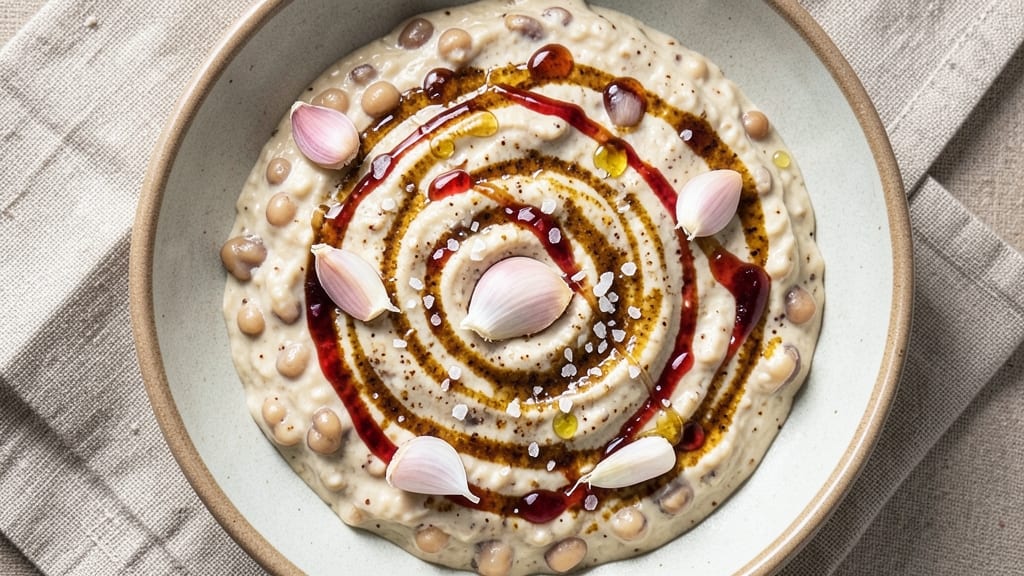
This bean salad dressing recipe with Dijon mustard transforms simple greens into a vibrant, flavor-packed meal. The bold tang of Dijon mustard blends seamlessly with creamy bean purée, creating a dressing that clings to every leaf while adding depth.
Perfect for crunchy salads, roasted vegetables, or even as a dip, this recipe elevates everyday dishes with restaurant-quality flavor.
The secret lies in balancing textures and flavors—smooth bean purée provides creaminess, while Dijon mustard adds a sharp, tangy kick. A touch of olive oil and vinegar ties everything together, ensuring the dressing stays emulsified and delicious.
This version is foolproof, requiring just a few pantry staples and minimal effort, yet delivering a complex taste that’s impossible to resist.
What makes this dressing truly special is its versatility. Use it on mixed greens, toss with roasted chickpeas, or drizzle over grilled vegetables for an instant flavor boost. The creamy base also makes it ideal for bean-based bowls or as a dip for fresh bread.
With just 10 minutes of prep, you’ll have a dressing that’s far superior to anything store-bought.
Store any leftovers in an airtight container in the fridge for up to 5 days, shaking well before each use. The flavors only deepen over time, making it a perfect make-ahead option for meal prep.
Whether you’re hosting a dinner party or simply craving a bold salad, this dressing is your new go-to for adding a tangy, creamy twist.
Ingredients for bean salad dressing recipe with dijon mustard
Pantry staples meet bold flavors in this creamy, tangy dressing that transforms simple salads.
| Ingredient | Amount | Notes |
|---|---|---|
| Canned White Beans 🥫 | 1 ½ cups | Drained and rinsed thoroughly |
| Dijon Mustard 🍯 | 2 tbsp | High-quality for best flavor |
| Extra-Virgin Olive Oil 🫒 | ½ cup | Light fruity variety preferred |
| Apple Cider Vinegar 🍏 | 2 tbsp | For tangy brightness |
| Lemon Juice 🍋 | 1 tbsp | Freshly squeezed |
| Garlic Cloves 🧄 | 2 cloves | Minced for smooth texture |
| Salt 🧂 | ½ tsp | Diamond Crystal preferred |
| Black Pepper 🌶️ | ¼ tsp | Freshly ground for warmth |
| Honey 🍯 | 1 tbsp | For subtle sweetness |
| Fresh Chives 🌿 | 2 tbsp | Chopped for fresh finish |
The Dijon mustard is non-negotiable here—Maille or Whole Foods 365 are my go-tos, but any good-quality brand works. For the beans, cannellini or great northern are ideal—they blend silky smooth. If you're short on time, grab a can of Trader Joe's organic white beans; they're pre-cooked and always reliable. The olive oil should be light and fruity—California avocado oil works beautifully if you want something neutral. Fresh garlic is a must for authentic flavor, but if you're in a pinch, garlic powder at half the amount will do in a bind.
No Dijon mustard? Yellow mustard plus a pinch of sugar mimics the tang, though it won't be as refined. Short on honey? Maple syrup works 1:1, but the flavor profile shifts slightly. The chives add freshness, but fresh parsley or dill can swap in if that's what you've got. For a smoother texture, blend the beans with a splash of water before puréeing—about 2 tbsp extra helps them glide through. If you prefer a thicker dressing, reduce the olive oil by 1 tbsp and add 1 tbsp more beans instead.
This dressing stays fresh for 5 days in the fridge, but the flavors actually improve over time—shake well before each use. For meal prep, divide it into small jars so you can grab just what you need. If it separates, whisk or blend briefly to re-emulsify. Freezing isn't recommended, as the texture can break down, but if you must, use it within 1 month and give it a good stir before serving.
Why You'll Love This Recipe
- No Pantry Panic: I keep a can of white beans and Dijon in my cabinet just for this—no fancy shopping trips, no last-minute scrambling. That tangy mustard and bright vinegar cut through the richness of beans like a knife, making it taste fresh even when I forget to meal prep.
- Umami Magic: The moment I blend in lemon juice and olive oil, something clicks—earthy beans meet sharp mustard, then that zing of vinegar. It’s the kind of dressing that makes you pause mid-bite, like, "Wait, why didn’t I think of this sooner?"
- Leftover Reinventor: Spilled some dressing? No problem—it keeps for days in the fridge. I’ve drizzled it on roasted veggies, tossed it with pasta, even mixed it into hummus. (Yes, even on a Tuesday night when I’m tired of the same old salad.)
- Budget Brightener: A dollar can of beans and a jar of mustard stretch this recipe into weeks of meals. It’s my go-to for bulk cooking—cheap, filling, and way better than takeout. Honestly, it’s the kind of recipe that makes grocery day feel like a win.
Step-by-step instructions for bean salad dressing with Dijon mustard
This dressing comes together in minutes with simple techniques that deliver big flavor.
Blend the Base Ingredients Smoothly
In a blender or food processor, combine the 1.5 cups drained and rinsed canned white beans, 2 tbsp Dijon mustard, 2 tbsp apple cider vinegar, 1 tbsp freshly squeezed lemon juice, 1 tbsp honey, 0.5 tsp salt, and 0.25 tsp freshly ground black pepper. The beans will create a creamy foundation while the mustard and vinegar add that signature tangy kick.
Blend until completely smooth, scraping down the sides as needed. You want a uniform texture without any visible bean chunks—this ensures your dressing will coat greens evenly. If it's too thick, add 1-2 tablespoons of water to reach a pourable consistency. The blend should look like a thick, velvety sauce with no lumps.
Add Garlic and Olive Oil for Depth
With the blender running on low speed, slowly drizzle in the 0.5 cup extra-virgin olive oil while simultaneously adding the 2 minced garlic cloves. The slow incorporation prevents the oil from splattering while allowing the garlic to distribute evenly. The olive oil adds richness and helps emulsify the dressing so it won't separate.
Continue blending for another 15-20 seconds until everything is fully incorporated. You'll notice the mixture lighten in color slightly as the oil blends in. Taste a small amount at this stage—you should detect the garlic's sharpness, the mustard's bite, and a balance of sweetness from the honey. Adjust seasoning if needed, adding more salt or vinegar to taste.
Finish with Fresh Chives for Brightness
Transfer the dressing to a bowl and stir in the 2 tbsp chopped fresh chives using a whisk or fork. The chives add a fresh, almost grassy note that cuts through the richness of the olive oil and beans. Gently fold them in just until combined—you want visible flecks throughout for visual appeal and fresh flavor with each bite.
Let the dressing sit at room temperature for 5 minutes before using. This brief resting period allows the flavors to meld together completely. The texture should be thick but still pourable, coating the back of a spoon without being gluey. If it thickens too much after resting, whisk in 1 teaspoon of water to restore the ideal consistency.
Store and Use for Maximum Freshness
Transfer the dressing to an airtight container and refrigerate for at least 1 hour before using. This chilling time enhances the flavors and ensures the dressing reaches its full potential. The dressing will keep in the refrigerator for up to 5 days, making it perfect for meal prep.
When ready to use, give the dressing a good stir before pouring over your favorite greens. It works beautifully with crisp romaine, arugula, or even hearty kale salads. The bean base adds a satisfying creaminess while the Dijon mustard and vinegar provide that signature tangy punch that makes this dressing stand out from ordinary vinaigrettes.
Pro Tips For Making Bean Salad Dressing Recipe With Dijon Mustard
- Drain and Rinse Beans: I learned this the hard way—using canned beans straight from the liquid makes your dressing watery and bland. Drain them first, then rinse under cold water to remove excess starch. This keeps the texture thick and the flavor sharp, especially when you’re blending with Dijon and vinegar.
- Whisk Mustard First: Mix the Dijon mustard with a splash of warm water or vinegar before adding olive oil—this emulsifies it instantly and prevents a greasy split later. I used to toss everything in at once, and the dressing would break every time. Two minutes of whisking up the mustard saves you from a sad, oily mess.
- Balance Vinegar and Oil: Start with a 1:2 ratio of vinegar to oil (e.g., 1 tablespoon vinegar to 2 of oil), then adjust. Too much vinegar makes it sharp; too little oil dulls the mustard’s kick. Taste as you go—this isn’t a math problem, it’s a flavor puzzle.
- Add Lemon Last: Squeeze the lemon juice in at the very end, right before serving. The acid cuts through the richness of the olive oil and brightens the mustard, but it fades fast. If you blend it in early, the dressing will taste flat by lunchtime. (Yes, even if you’re impatient like me.)
Pro cooking tips for this dish
Emulsify Like a Pro
The key to a silky, non-separating dressing lies in blending the olive oil slowly while the machine is running. I start with the beans, mustard, and vinegar base blended smooth, then add the oil in a thin, steady stream—this prevents the oil from breaking the emulsion.
If your dressing starts to separate, simply blend again for 10-15 seconds or whisk vigorously. For extra insurance, I sometimes add 1 tsp cornstarch to the bean blend before puréeing—it acts as a natural thickener that stabilizes the oil. 🌡️
Garlic Infusion Tricks
Raw garlic can be overpowering in dressings, so I use a few tricks to balance its intensity. First, I mince the garlic very finely—almost to a paste—so it distributes evenly without clumps.
For a milder flavor, I toast the garlic in a dry pan for 30 seconds until fragrant but not browned, then cool it completely before blending. If you prefer a stronger garlic taste, add an extra ½ tsp garlic powder after blending and adjust to taste.
The secret is patience—let the dressing sit for 5 minutes before tasting to allow the garlic's sharpness to mellow.
Texture Control Secrets
This dressing should coat the back of a spoon but still pour smoothly. If it's too thick after blending, add 1 tsp water at a time until it reaches a pourable consistency.
For a thicker dressing (ideal for dipping or hearty salads), reduce the olive oil by 1 tbsp and add 1 tbsp extra beans instead. I always test the texture on a small piece of toast—if it clings without dripping, you've nailed it.
Pro tip: Chill the dressing for 30 minutes before serving; cold temperatures naturally thicken it slightly, making it cling better to greens. ❄️
Flavor Balancing Act
The Dijon mustard and vinegar provide the tang, but the honey and lemon juice soften the edges. I taste the dressing at every stage—after blending the base, after adding oil, and finally after resting. If it's too sharp, add ½ tsp more honey or a splash of water. Too mild?
Boost the acidity with ½ tsp extra vinegar or a pinch of salt. The goal is a harmonious balance where no single flavor overpowers. I find that resting the dressing for 10 minutes before tasting gives the most accurate flavor profile, as the ingredients meld together completely. 💡
Equipment Upgrades
While a basic blender works fine, I've found that a high-speed blender (like a Vitamix or Ninja) creates a silkier texture with less effort. The powerful motor emulsifies the oil more thoroughly, resulting in a dressing that stays smooth for days.
If you're using a food processor, pulse the beans first to break them down before adding liquids. For the final whisking step, I prefer a balloon whisk—it incorporates air gently, creating a lighter texture without over-mixing.
A fine-mesh sieve also comes in handy if you want to strain out any stray bean bits for a completely smooth finish.
Nutrition facts
Frequently asked questions
Can I use this dressing on non-salad dishes?
This creamy Dijon dressing works beautifully beyond salads. Drizzle it over roasted vegetables, use it as a dip for fresh bread or crackers, or toss it with warm quinoa bowls. The bean base adds hearty texture while the tangy mustard keeps flavors bright—perfect for bean-based meals or as a topping for grilled chicken.
What if I don't have Dijon mustard?
No problem! Mix 2 tbsp yellow mustard with ½ tsp sugar to mimic Dijon's tang. For a stronger flavor, add ½ tsp lemon zest to the blend. The texture will be slightly different but still delicious. If you're avoiding mustard entirely, try 1 tbsp white wine vinegar plus ½ tsp smoked paprika for depth.
How do I make this dressing thicker or thinner?
For a thicker dressing (great for dipping), reduce the olive oil by 1 tbsp and add 1 tbsp extra beans. For a thinner, more pourable version, whisk in 1-2 tsp water at a time. Chilling the dressing for 30 minutes also naturally thickens it slightly—ideal for clinging to greens. Always test consistency on a spoon before serving.
Can I make this dressing ahead of time?
Yes! This dressing actually tastes better after resting. Store it in an airtight container in the fridge for up to 5 days, shaking well before each use. The flavors meld beautifully over time. For meal prep, divide into small jars so you can grab just what you need—perfect for busy weeks!
What other beans work best in this recipe?
Creamy white beans like cannellini or great northern are ideal, but you can experiment! For a nuttier flavor, try chickpeas (blend with extra water). For a lighter texture, use butter beans. Avoid large beans like kidney beans—they can make the dressing grainy. Always rinse canned beans thoroughly before blending.