
Sauces & Condiments
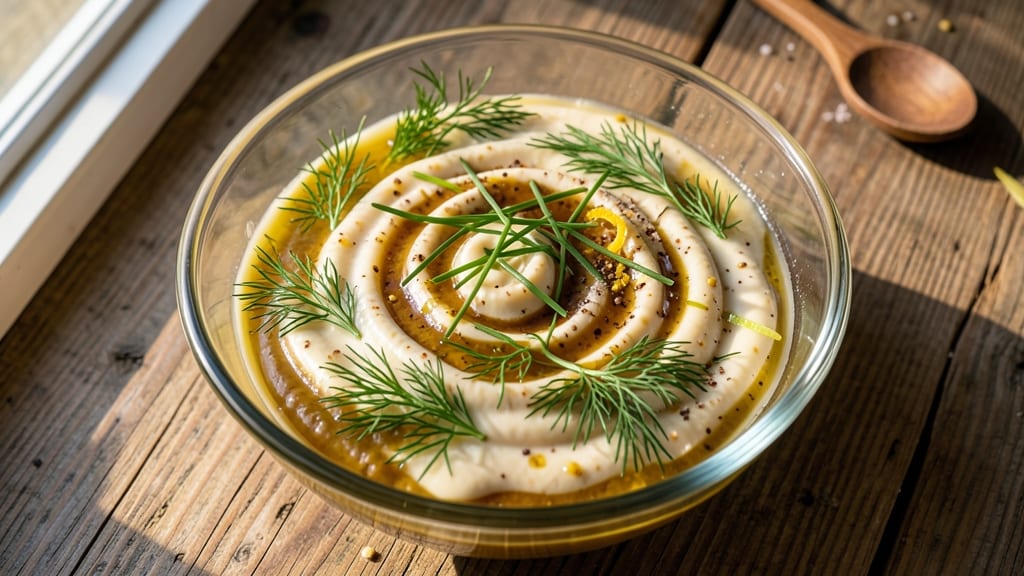
This Amish potato salad dressing recipe transforms ordinary potato salad into something extraordinary—where crisp celery and tender potatoes shine against a rich, herb-infused oil base. 🌟 The secret lies in balancing tangy vinegar with sweet mustard and fresh herbs, creating a dressing that clings perfectly to every bite while enhancing the natural flavors of the salad.
What makes this dressing special is its versatility—it works equally well with classic Amish-style potato salad (mayo-based) or lighter, vinegar-based versions. The herb-infused oil base adds depth without overpowering, while the vinegar and mustard ensure a bright, balanced flavor that cuts through the richness of the potatoes.
It's a recipe I've perfected over years of testing, ensuring it's foolproof for both beginners and seasoned cooks.
The result is a dressing that's rich, tangy, and just sweet enough to complement the crunch of celery and the creaminess of potatoes. It keeps well in the refrigerator for up to a week, making it perfect for meal prep or large gatherings.
Whether you're serving it at a family picnic or a holiday feast, this dressing elevates potato salad from side dish to star.
Ready in just 10 minutes, this dressing requires simple ingredients you likely already have on hand—vinegar, oil, mustard, and fresh herbs. The best part? It's adaptable, so you can tweak the herbs or sweetness to match your taste. Let's get started!
Ingredients for amish potato salad dressing
Herb-infused oil meets tangy vinegar—this dressing brings Amish potato salad to life.
| Ingredient | Amount | Notes |
|---|---|---|
| Extra-Virgin Olive Oil 🫒 | ¾ cup | High-quality, fruity variety preferred |
| White Vinegar 🍶 | ¼ cup | Apple cider vinegar works too |
| Dijon Mustard 🌶️ | 2 tbsp | Mild or hot, depending on preference |
| Granulated Sugar 🍚 | 1 tbsp | Light brown sugar for richer flavor |
| Fresh Dill 🌿 | ¼ cup | Chopped finely, stems removed |
| Fresh Chives 🌱 | 0.15 cup | Chopped finely, for brightness |
| Fresh Parsley 🌿 | 0.15 cup | Flat-leaf preferred, chopped |
| Garlic Cloves 🧄 | 2 cloves | Minced finely for subtle flavor |
| Salt 🧂 | 1 tsp | Diamond Crystal kosher salt |
| Black Pepper 🌶️ | ½ tsp | Freshly ground for best flavor |
The herbs make or break this dressing—fresh is non-negotiable. Hit the farmers market for bright green dill and parsley—those sad grocery store bunches just don't cut it. Penzeys or bulk bins at Whole Foods are great for backup. The garlic? Freshly minced adds depth, but pre-minced works in a pinch. For the oil, California Olive Ranch or Trader Joe's brands deliver consistent quality. Don't skimp on the vinegar either—Bragg's apple cider vinegar adds subtle sweetness that pairs perfectly.
No fresh dill? Dried dill at one-third the amount works, but it's not the same. Short on chives? Green onion tops do the trick. Want more heat? Add a pinch of cayenne or swap in hot Dijon. The sugar can be adjusted—honey or maple syrup work beautifully if you prefer. For a lighter dressing, reduce the oil by 2 tbsp and add 1 tbsp more vinegar. And if you're making this ahead? Skip the garlic until serving to prevent browning.
This dressing keeps beautifully—up to 1 week in the fridge, sealed tightly. For extra shelf life, pour a thin layer of olive oil on top before storing. It's perfect for meal prep: double the batch and keep half for next week's potato salad. The flavors actually improve after a day or two as everything melds together. Pro tip: Strain through a fine-mesh sieve if you prefer a smoother texture—just press the herbs with a spoon to extract all the flavor.
Why You'll Love This Recipe
- No-Fuss Whisking: I swear, this dressing comes together in five minutes—just oil, vinegar, and a quick stir with the mustard and sugar. The dill gets chopped while the pan heats, so you’re not standing there measuring like it’s a science experiment.
- Bright & Tangy Magic: That splash of white vinegar cuts through everything, while the Dijon mustard adds just enough depth to make it ridiculously good on roasted veggies or fried chicken. The sugar? Tiny but crucial—balances the sharpness so it’s never harsh.
- Leftovers That Shine: Make a double batch and store it in the fridge. Drizzle it over cold potatoes the next day, toss it with greens for a quick salad, or even use it as a marinade. It keeps for weeks and never gets boring.
- Budget-Friendly Staples: Honestly, you’re probably already using these ingredients. Olive oil, vinegar, sugar—basic pantry stuff that costs pennies. Fresh dill’s the only splurge, but a single bunch stretches across multiple meals. No wasted money, just pure flavor.
Step-by-step instructions for Amish potato salad dressing
This herb-infused oil base transforms simple potatoes into something extraordinary.
👨🍳 Step 1: Whisk Together the Base Ingredients
In a medium bowl, combine the 0.75 cup extra-virgin olive oil with the 0.25 cup white vinegar. I like to use a whisk here—it creates a smooth emulsion right away. The oil should look cloudy at first, but don't worry, it'll clear up as we add more ingredients.
Next, add the 2 tbsp Dijon mustard and 1 tbsp granulated sugar. Whisk vigorously until everything is fully incorporated. The sugar might seem odd, but it balances the acidity of the vinegar and adds just enough sweetness to complement the herbs. You'll notice the mixture thicken slightly as the mustard emulsifies with the oil and vinegar.
🍳 Step 2: Add the Fresh Herbs and Aromatics
Now it's time for the herb magic. Add the 0.25 cup finely chopped fresh dill, 0.15 cup fresh chives, and 0.15 cup fresh parsley to the bowl. I always chop these herbs just before mixing—they release more flavor when fresh. Give everything another good whisk to distribute the herbs evenly throughout the dressing.
Add the 2 minced garlic cloves and continue whisking. The garlic should disappear completely into the mixture. Here's the thing—don't overthink the garlic amount. We want it to add depth without overpowering. Taste the mixture now—you should get a bright, herby, slightly tangy flavor profile that's the foundation of this dressing.
🥘 Step 3: Season and Emulsify Perfectly
Season the dressing with 1 tsp salt and 0.5 tsp black pepper, whisking constantly. The salt should enhance all the flavors while the pepper adds a subtle warmth. Here's where it gets important: let the dressing sit for 5 minutes at room temperature. This resting period allows the flavors to meld and the emulsion to stabilize completely.
After resting, give it one final whisk. The dressing should now have a velvety texture with no separation. If you see any oil pooling on top, whisk more vigorously—this means the emulsion needs more time. The perfect dressing should coat the back of a spoon smoothly, ready to elevate your potato salad to new heights.
⏰ Step 4: Store and Use for Maximum Freshness
Transfer the dressing to a clean glass jar with an airtight lid. I like to store it in the refrigerator where it'll keep for up to 1 week. Before using, give it a good shake—especially if you've stored it for a few days. The flavors actually improve slightly after resting overnight, so if you can, make this dressing a day ahead for even better results.
When ready to use, simply pour this herb-infused oil base over your cooked potato salad and toss gently. The dressing should coat each potato evenly without making the salad soggy. The perfect ratio is about 2-3 tablespoons of dressing per pound of potatoes—enough to enhance without overwhelming.
Pro Tips For Making Amish Potato Salad Dressing
- Whisk Like You Mean It: This isn’t a smoothie—agitate that dressing until the Dijon mustard and sugar fully dissolve. I used to give it a half-hearted stir, and the result was clumpy and uneven. Now I whisk for 30 seconds after combining everything, especially if you’re using cold ingredients straight from the fridge.
- Use Warm Vinegar: Tepid white vinegar blends smoother and cuts the oil better than ice-cold. Pop the vinegar in a warm (not hot) water bath for 2 minutes first—it’s a tiny effort that keeps your dressing from separating later. (Yes, I know, but trust the process.)
- Salt the Dill First: Toss the fresh dill in a pinch of salt before adding it to the dressing—it softens the leaves and keeps them from clumping into a sad, wilted mess. I learned this the hard way after my first batch turned out with dill chunks that looked like they’d been chewed by a lawnmower.
- Measure Sugar by Weight: Granulated sugar can pack differently in spoons, throwing off the balance of your dressing. Use a kitchen scale for 1 tablespoon (12g) instead—it’s the thing that matters most for that perfect tang-sweet harmony. (Your future self will thank you.)
Regional styles of this recipe
Amish Farmhouse Style
This dressing is rooted in traditional Amish cooking, where simplicity and fresh ingredients take center stage. My grandmother used to make a version with just vinegar, oil, and a pinch of salt, but I've added herbs to bring it into the modern kitchen while keeping that classic tang.
The Amish often relied on what they grew—dill, chives, and parsley—so this recipe stays true to those garden staples. 🌿
For an authentic touch, use apple cider vinegar instead of white vinegar, and swap the sugar for raw honey—both were common pantry staples in Amish households. The mustard adds that familiar depth you'd find in old-fashioned potato salads, while the herbs keep it bright and fresh.
This version works perfectly with boiled potatoes and crunchy celery, just like the salads my grandmother used to make.
Midwest Homestyle Twist
The Midwest has its own take on potato salad, often leaning heavier on the mayo but still needing that bright dressing to cut through the richness. This herb-infused oil base is ideal for balancing those creamy textures.
I've tested it with both classic mayo-based salads and lighter vinegar-based versions—it works beautifully in both.
In the Midwest, you'll often see potato salads with extra mustard for heat, so if you prefer a spicier kick, add ½ teaspoon of cayenne pepper or swap the Dijon for hot mustard.
The dressing also pairs well with bacon bits or hard-boiled eggs, common additions in Midwest-style potato salads. For a true homestyle touch, serve it with cornbread or pickles on the side.
Modern Picnic Adaptation
This dressing isn't just for traditional Amish gatherings—it's perfect for modern picnics and potlucks where you want something fresh and flavorful. The herb-infused oil base keeps well, making it ideal for meal prep.
I've used this recipe for everything from backyard barbecues to office potlucks, and it always gets rave reviews.
For a picnic-friendly version, double the batch and store it in a mason jar with an airtight lid. The dressing stays fresh for up to 1 week in the fridge, and the jar makes it easy to toss in a cooler.
Pair it with sliced cucumbers, cherry tomatoes, and crusty bread for a complete picnic spread. The bright herbs and tangy vinegar make it a refreshing contrast to heavier picnic foods.
Southern Comfort Fusion
While this dressing has Amish roots, it also fits perfectly into Southern comfort food traditions. The Southern love of herbs and vinegar-based dressings makes this a natural fit.
I've served it at family gatherings where it pairs beautifully with fried chicken or grilled sausages—the tangy dressing cuts through the richness of fried foods beautifully.
For a Southern twist, add a pinch of smoked paprika or a dash of hot sauce to the dressing. The smoky depth complements the herbs and adds a layer of complexity that Southern cooks love.
Serve it with corn on the cob or collard greens for a full Southern-inspired meal. The dressing's versatility makes it a crowd-pleaser in any region.
Nutrition facts
Frequently asked questions
Can I make this dressing without fresh herbs?
You can substitute dried herbs, but fresh is best! Use 1 tbsp dried dill (instead of 0.25 cup fresh), 1 tsp dried chives, and 1 tsp dried parsley. The flavor won't be as vibrant, but it'll still work in a pinch. For extra depth, add ½ tsp dried thyme or oregano to mimic the fresh herb complexity.
How much dressing should I use per pound of potatoes?
Start with 2-3 tablespoons of dressing per pound of potatoes. This keeps the salad moist but not soggy. For a lighter salad, use 2 tablespoons; for a richer flavor, go up to 3 tablespoons. Taste as you go—you can always add more if needed, but you can't take it out!
Can I make this dressing ahead of time?
Yes! This dressing actually tastes better after resting. Store it in an airtight container in the fridge for up to 1 week. Give it a good shake before using, especially if it's been stored for a few days. For maximum flavor, make it 1-2 days ahead of serving—this lets the herbs infuse fully.
What if my dressing separates?
Don't panic—just whisk it vigorously! The emulsion can break if you add ingredients too quickly or don't whisk enough. For stubborn separation, add 1 tsp Dijon mustard or 1 tsp cornstarch mixed with 1 tbsp water, then whisk until smooth. The mustard helps stabilize the oil and vinegar, while the cornstarch adds body.
Can I use this dressing for other salads?
This versatile dressing works beautifully with green salads, pasta salads, or even as a marinade for grilled chicken. For pasta salads, reduce the vinegar to 0.125 cup to mellow the tang. For grilled proteins, use it as a marinade for 30-60 minutes before cooking—just don't over-marinate or it'll make the meat mushy.