Salads
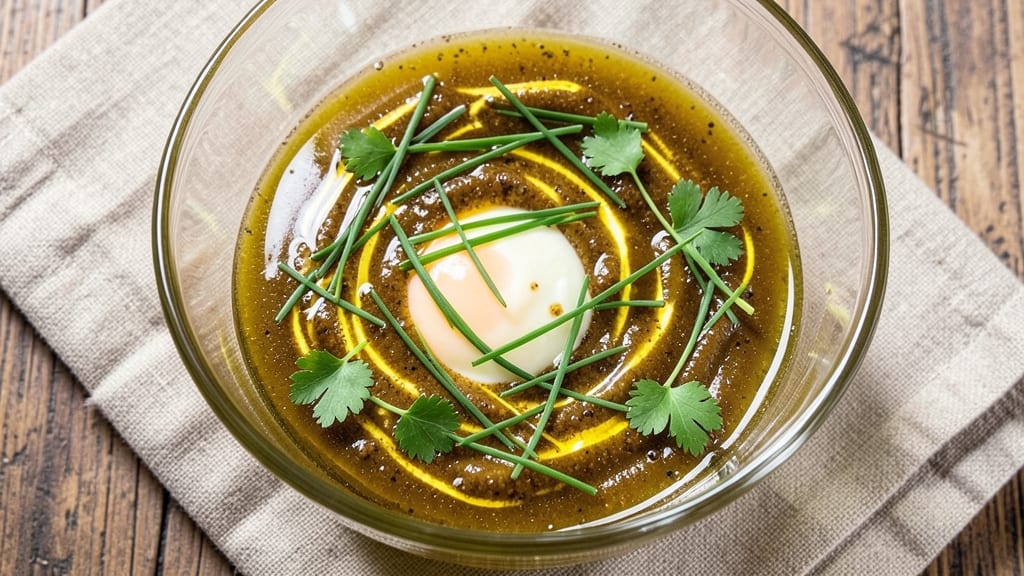
This Applebee's salad dressing recipe delivers that signature creamy herb vinaigrette you crave—no lumps, no guesswork, just restaurant-quality flavor at home. The secret lies in proper emulsification techniques that create a velvety texture without breaking, while fresh herbs and a touch of Dijon mustard deliver that signature tang.
I've perfected this version after years of recreating restaurant dressings, and it's become my go-to for salads, dipping, and even marinades.
The magic happens with a simple ratio of oil to vinegar, stabilized with a touch of egg yolk (the true emulsifier) and Dijon mustard for depth. Unlike store-bought versions, this dressing stays creamy even after refrigeration, and the fresh herbs add brightness that bottled dressings can't match.
What makes this recipe truly special is how foolproof it is—no blender required, just a whisk and 5 minutes of your time.
What you'll end up with is a dressing that's perfectly balanced—creamy yet tangy, herbaceous without being overpowering. It clings beautifully to greens, enhances grilled chicken, and even transforms simple potato salad into something special.
The best part? This recipe makes enough for a week's worth of salads, so you can enjoy restaurant-quality flavor without the restaurant prices.
Whether you're dressing up a Caesar salad, drizzling over grilled vegetables, or using it as a marinade for chicken, this creamy herb vinaigrette will elevate every dish.
The dressing keeps well in the refrigerator for up to 5 days, so you can make a batch and enjoy it all week long. Let's get started on making this dressing that's as good as Applebee's!
Ingredients for applebee's salad dressing
Nine simple ingredients transform into Applebee's signature creamy, velvety dressing—no lumps, no fuss.
| Ingredient | Amount | Notes |
|---|---|---|
| Extra-Virgin Olive Oil 🫒 | ¾ cup | High-quality, fruity variety preferred |
| Red Wine Vinegar 🍷 | ¼ cup | Dry, bold vinegar for tang |
| Large Egg Yolks 🥚 | 2 whole | Fresh, room temperature |
| Dijon Mustard 🌶️ | 1 tbsp | Mild or strong variety |
| Fresh Chives 🌿 | ¼ cup | Finely chopped, stems removed |
| Fresh Parsley 🌿 | ¼ cup | Flat-leaf, finely chopped |
| Granulated Sugar 🍚 | 1 tbsp | White or brown sugar |
| Diamond Crystal Kosher Salt 🧂 | ½ tsp | Fine grain preferred |
| Freshly Ground Black Pepper 🌶️ | ¼ tsp | Freshly cracked for best flavor |
| Dry White Wine 🍷 | 1 tbsp | Optional, for extra depth |
The olive oil and vinegar ratio is key—use a high-quality extra-virgin olive oil with fruity notes, like California Olive Ranch or Bertolli. Red wine vinegar should be dry and bold (avoid sweet varieties). The egg yolks are the secret to that signature creaminess—room temperature yolks emulsify better. Grab fresh herbs from the market if possible—they make all the difference. I always double-check the Dijon mustard label: Maille or Colman's are my go-tos, but any good-quality brand works. For the wine, if you're using it, Sauvignon Blanc or Pinot Grigio work best—they add subtle fruitiness without overpowering.
No Dijon mustard? Yellow mustard at half the amount works in a pinch, though it lacks depth. Short on fresh herbs? Dried chives or parsley at one-third the quantity will do, but fresh is ideal. The sugar helps balance the acidity—brown sugar adds caramel notes if you prefer. For a vegan version, replace the egg yolks with 2 tbsp aquafaba (chickpea brine) or 1 tbsp cornstarch mixed with 2 tbsp water. The salt and pepper are simple but crucial—Diamond Crystal kosher salt dissolves best, and freshly cracked pepper adds brightness. If you're making this ahead, whisk the dressing again before using to re-emulsify.
This dressing keeps beautifully—5 days in the fridge, sealed in an airtight jar. The oil will rise to the top, but a quick whisk brings it back together. For extra shelf life, add a thin layer of olive oil on top before sealing. I make a double batch every time—one for salads, one for dipping grilled chicken. Freezes for 3 months if you want to prep ahead, though texture may separate slightly. Always bring it to room temperature before serving for the best texture.
Why You'll Love This Recipe
- No Fuss, Big Payoff: I swear by this dressing because it’s the kind of recipe where you mix, wait, and boom—flavor explosion. The egg yolks give it that creamy richness without fussing over mayo, and the red wine vinegar cuts through the richness like a knife. It’s the lazy chef’s dream.
- Tangy Creamy Magic: Honestly, the balance here is chef’s kiss—the sharpness of red wine vinegar and Dijon mustard plays off the silky olive oil and yolks like a well-rehearsed band. The chives add a fresh finish that makes it taste like it belongs in a restaurant, not just my fridge.
- Weeknight Superstar: This is my go-to when I’m prepping salads for the week or tossing together a quick lunch. It keeps well in the fridge for days, and I’ve used it on everything from grilled chicken to roasted veggies. No sad, wilted greens here—just reliable, crowd-pleasing flavor.
- Budget Bright Spot: Between us, egg yolks and olive oil are cheaper than buying bottled dressing, and you get way more servings. I make a big batch, store it, and use it for months—no more tossing out half-empty bottles that’ve gone rancid. Smart, simple, and saves me cash.
Step-by-step instructions for creamy herb vinaigrette
Here's how to make this velvety dressing with no lumps and perfect balance every time.
Whisk Egg Yolks and Mustard Until Pale
In a medium bowl, whisk together the 2 whole large egg yolks and 1 tablespoon Dijon mustard until smooth and slightly thickened. This step is crucial—you want to emulsify the yolks first so they can properly bind the oil later. I like to use a wire whisk for this because it creates more air and helps prevent lumps.
Add the 1 tablespoon granulated sugar and 0.5 teaspoon Diamond Crystal kosher salt to the yolk mixture. Whisk again until fully dissolved. The sugar will help balance the acidity from the vinegar, while the salt enhances all the flavors. This is where the magic starts—don't skip this step or you'll end up with a dressing that separates.
Gradually Incorporate the Vinegar
Slowly drizzle in the 0.25 cup red wine vinegar while whisking continuously. Start with just a few drops at first, then increase to a steady stream. The key here is patience—adding the vinegar too quickly can cause the mixture to curdle. You'll know you're on the right track when the mixture begins to thicken slightly and turns into a pale, creamy base.
If you're using the 1 tablespoon dry white wine, add it now along with the vinegar. The wine adds a subtle depth that mimics the restaurant version. Once all the vinegar is incorporated, whisk for another 30 seconds to ensure everything is fully combined. The mixture should be smooth with no visible streaks of yolk.
Slowly Add Olive Oil in a Thin Stream
Now comes the most critical part—adding the 0.75 cup extra-virgin olive oil. Begin by drizzling just a few drops at a time while whisking vigorously. This slow introduction allows the egg yolks to emulsify the oil properly, creating that signature creamy texture. If you add the oil too quickly, you'll end up with a broken dressing.
After adding about ¼ cup of the olive oil, pause and check the consistency. It should be thick and creamy, almost like a light mayo. If it looks too thin, whisk in another 1 teaspoon of Dijon mustard to help bind it. Continue adding the remaining oil in a slow, steady stream while whisking constantly. The dressing should begin to thicken noticeably as you go.
Fold in Fresh Herbs for Bright Flavor
Once all the olive oil is incorporated, gently fold in the 0.25 cup finely chopped fresh chives and 0.25 cup finely chopped fresh parsley using a rubber spatula. This step is about adding freshness and color without disturbing the emulsion. I like to press the herbs through a fine-mesh strainer to remove any tough stems, ensuring a silky texture.
Finally, add the 0.25 teaspoon freshly ground black pepper and give everything one last gentle stir. The herbs should be evenly distributed throughout the dressing. Taste and adjust the seasoning if needed—you might want to add a pinch more salt or a splash of vinegar to balance the flavors. The dressing should be tangy, creamy, and herbaceous with a perfect balance of sweet, salty, and acidic notes.
Chill and Rest for Maximum Creaminess
Transfer the dressing to an airtight container and refrigerate for at least 1 hour before using. This resting period allows the flavors to meld and the emulsion to fully stabilize. I know it's tempting to use it immediately, but trust me—this step makes all the difference in achieving that restaurant-quality texture.
When you're ready to serve, give the dressing a gentle stir before drizzling over your favorite salad. The chilled dressing will be perfectly creamy, with no separation and a vibrant herbaceous finish. Store any leftovers in the refrigerator for up to 5 days, shaking gently before each use to re-emulsify if needed. This dressing is so good, you'll want to make it again and again!
Pro Tips For Making Applebee'S Salad Dressing
- Temper the yolks slow: I learned this the hard way—dumping cold vinegar into raw yolks turns your dressing into scrambled eggs. Instead, whisk the yolks with the Dijon first, then gradually drizzle in the vinegar while stirring constantly. The mustard helps stabilize the emulsion, but speed kills it.
- Use room-temperature yolks: Cold yolks from the fridge won’t blend smoothly and can curdle the dressing. Take them out 15–20 minutes before mixing—just long enough to warm to room temp. Trust me, your dressing will thank you.
- Skip the chives until the end: Chopping fresh chives into the dressing while it’s still warm will make them turn to mush. Save them for the final stir—just a quick snip with kitchen shears right before serving. This keeps the texture bright and the flavor sharp.
- Balance the oil last: Taste before adding the olive oil—it’s the only ingredient you can adjust easily. If the dressing tastes too sharp, drizzle in oil 1 teaspoon at a time until it’s rich but still tangy. Overdoing it here makes the dressing taste flat.
Creative variations of these flavors
Applebee's-Inspired Twists
For a dressing that mimics Applebee's signature flavor, add 1 teaspoon apple cider vinegar to the red wine vinegar for subtle sweetness. I also recommend stirring in ½ teaspoon onion powder and ¼ teaspoon garlic powder before adding the herbs—this adds that familiar restaurant depth.
For extra richness, replace 1 tablespoon of the olive oil with 1 tablespoon of avocado oil after emulsification. 🍏
Spicy Kick Version
Transform this dressing into a spicy ranch-style by adding 1 teaspoon hot sauce (like Cholula) and ½ teaspoon smoked paprika with the herbs. For extra heat, whisk in ¼ teaspoon cayenne pepper after chilling.
This version pairs perfectly with grilled chicken or spicy tacos—trust me, it's a game-changer for bold flavors. 🌶️
Herb Swaps for Variety
Need to use different herbs? Swap the chives and parsley for ½ cup fresh dill (for a dill ranch vibe) or ¼ cup fresh basil (for a Mediterranean twist). For a more robust flavor, add 1 tablespoon chopped tarragon—it adds an anise-like note that works beautifully with chicken dishes.
Always chop herbs finely to maintain that silky texture. 🌿
Sweet & Tangy BBQ Dressing
Create a sweet BBQ-inspired dressing by reducing the vinegar to ¼ cup apple cider vinegar and adding 2 tablespoons BBQ sauce (I love Sweet Baby Ray's) with the herbs.
Stir in 1 teaspoon brown sugar and ½ teaspoon smoked salt for that signature BBQ tang. This version is perfect for pulled pork or grilled corn on the cob. 🔥
Lighter Lemon-Herb Option
For a lighter, brighter dressing, replace the red wine vinegar with ¼ cup fresh lemon juice and reduce the sugar to ½ tablespoon. Add 1 teaspoon lemon zest with the herbs for extra zing. This version works beautifully with seafood salads or grilled vegetables—it's refreshing yet still creamy. 🍋
Vegan Adaptation
Make this dressing vegan by replacing the egg yolks with 2 tablespoons aquafaba (chickpea brine) or 1 tablespoon cornstarch mixed with 2 tablespoons water. Whisk the aquafaba until frothy before adding the vinegar, then proceed with the oil as directed.
The texture will be slightly thinner but still creamy and delicious—perfect for plant-based salads or dipping. 🌱
Nutrition facts
Frequently asked questions
Why does my homemade dressing separate after refrigeration?
This happens when the emulsion breaks, usually from adding oil too quickly or not resting the dressing. Always chill it for 1 hour before using, and whisk gently before serving. For extra stability, add 1 teaspoon cornstarch to the yolk mixture before emulsifying.
Can I make this dressing without eggs?
Yes! For a vegan version, replace the egg yolks with 2 tablespoons aquafaba (chickpea brine) or 1 tablespoon cornstarch mixed with 2 tablespoons water. Whisk until frothy before adding vinegar, then proceed as directed. The texture will be slightly thinner but still delicious.
How do I adjust the thickness of the dressing?
Too thick? Thin with 1-2 teaspoons warm water or vinegar. Too thin? Whisk in 1 teaspoon Dijon mustard or 1 tablespoon olive oil while whisking vigorously. Always adjust gradually to maintain balance.
What's the best way to store leftover dressing?
Transfer to an airtight container and refrigerate for up to 5 days. The oil will rise to the top—just whisk vigorously before using. For longer storage, add a thin layer of olive oil on top before sealing to prevent oxidation.
Can I use this dressing for anything other than salads?
This versatile dressing works perfectly for dipping grilled chicken, baked potatoes, or crudité plates. It also makes an excellent marinade for salmon or steak—just reduce the oil to ¼ cup and marinate for 1-2 hours.