
Salads
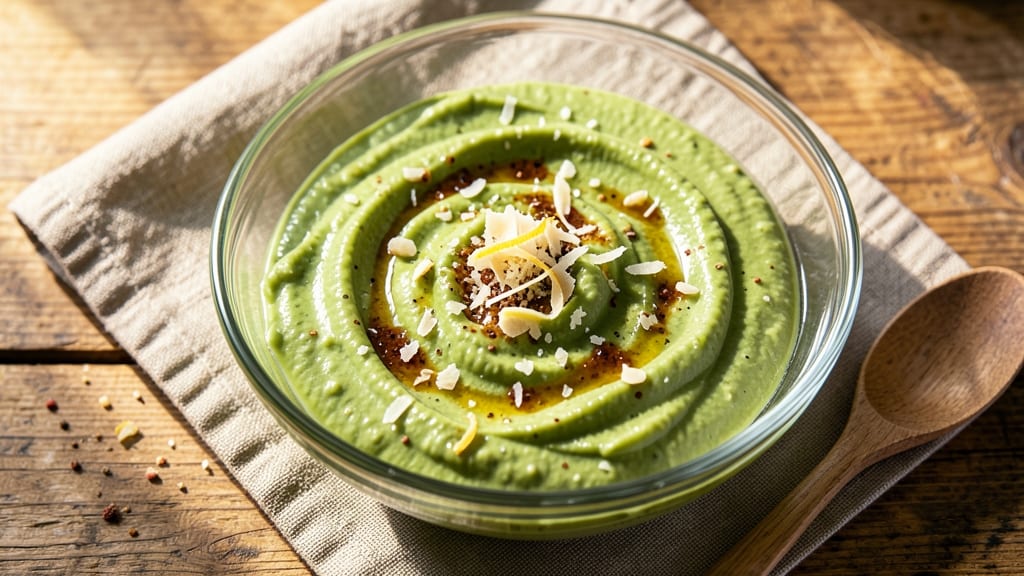
This avocado Caesar salad dressing recipe transforms creamy Caesar flavors without mayo, delivering a rich, velvety texture that clings perfectly to romaine. The secret lies in blending ripe avocado with tangy lemon, sharp garlic, and high-quality olive oil—creating a dressing that’s naturally emulsified and packed with healthy fats.
What sets this apart is the ability to customize it for vegan diets by using nutritional yeast instead of traditional cheese.
The base ingredients—avocado, lemon juice, garlic, and olive oil—work together to mimic the creaminess of classic Caesar while adding a fresh, vibrant twist. For a more robust flavor, optional additions like Dijon mustard or anchovy paste (for non-vegan versions) deepen the umami.
The dressing stays fresh in the refrigerator for up to 5 days, making it ideal for meal prep.
What you’ll achieve is a dressing that’s smoother than store-bought but far more nutritious, with a perfect balance of tangy, savory, and creamy notes. It’s versatile enough for salads, wraps, or even as a dip, yet simple enough to make in under 5 minutes.
The avocado’s healthy fats ensure the dressing holds its emulsification without separating, even after refrigeration.
Whether you’re adapting this for vegan diets or simply craving a lighter Caesar experience, this recipe delivers restaurant-quality results at home. The key is using ripe avocados and blending thoroughly—no special equipment required. Let’s get started!
Ingredients for avocado caesar salad dressing
Eight ingredients blend into a velvety Caesar dressing—no mayo, no separation, just creamy richness.
| Ingredient | Amount | Notes |
|---|---|---|
| Ripe Avocados 🥑 | 2 whole | Pitted, flesh scooped out |
| Extra-Virgin Olive Oil 🫒 | ½ cup | High quality, fruity variety |
| Fresh Lemon Juice 🍋 | ¼ cup | Freshly squeezed, strained |
| Garlic Cloves 🧄 | 3 cloves | Peeled, minced or pressed |
| Nutritional Yeast 🍞 | ¼ cup | For cheesy flavor, unsulfured |
| Dijon Mustard 🌶️ | 1 tbsp | For tangy depth, optional |
| Sea Salt 🧂 | 1 ½ tsp | Diamond Crystal preferred |
| Ground Black Pepper 🌶️ | ½ tsp | Freshly ground for best flavor |
| Water 💧 | ¼ cup | Adjust for blending consistency |
The avocados are non-negotiable—look for ripe ones with slight give when you press. Trader Joe's and Whole Foods carry the best selection, but any grocery store will work. Nutritional yeast is the secret to that cheesy flavor without dairy—Bob's Red Mill is my go-to brand. The olive oil should be extra-virgin, not just plain olive oil—look for Italian or Spanish varieties on the shelf. Fresh lemon juice is key for brightness, so don't use bottled. The garlic can be roasted for a milder flavor if you prefer.
No nutritional yeast? Vegan Parmesan or miso paste works in a pinch, though the flavor will differ slightly. Short on avocado? Add 1 tbsp of silken tofu to help with emulsification. The Dijon mustard is optional but recommended—if you skip it, add 1 tsp of apple cider vinegar for extra tang. For a non-vegetarian version, add 1 tbsp of anchovy paste (like Colosal brand) for deep umami. The water amount can vary slightly—start with ¼ cup and add more if needed to reach your desired consistency.
This dressing stays fresh for 5 days in the fridge, sealed tightly in a jar. To prevent browning, press plastic wrap directly on the surface before sealing. For longer storage, freeze in ice cube trays—thaw overnight in the fridge. The texture will be slightly thicker after refrigeration, so blend again briefly before using. It's perfect for meal prep—doubling the batch means you'll have dressing ready for the week ahead.
Why You'll Love This Recipe
- No Blender Needed: I’ll be honest—this dressing only needs a fork. Mash the avocado, stir in the lemon juice, then fold in the olive oil and garlic. No pulsing, no straining, no cleanup. The texture stays silky without extra effort.
- Umami Magic: That nutritional yeast isn’t just a sprinkle—it’s the secret weapon. One teaspoon turns this into a rich, savory punch that clings to greens like a hug. The garlic and lemon cut through the creaminess, so it’s bright, bold, and actually Caesar-worthy.
- Dresses More Than Salads: Between us, I’ve drizzled this over grilled chicken, tossed it with roasted potatoes, and even used it as a dip for crusty bread. The avocado keeps it luscious while the lemon keeps it fresh. It’s the kind of dressing that makes you say, “Why didn’t I think of this sooner?”
- Stays Fresh for Days: I make a big batch on Sundays and it lasts in the fridge for at least five days—no weird separation, no sad greasy spots. Just add a splash of water or lemon if it thickens, and it’s ready to go. Plus, avocados are cheaper than store-bought Caesar dressing, so you’re saving cash and calories.
Step-by-step instructions for avocado Caesar salad dressing
Here's how to create a velvety, creamy Caesar dressing without mayo—just avocado's natural richness.
Prepare the Avocado Base
Cut the 2 whole ripe avocados in half, remove the pits, and scoop the flesh into a food processor. The avocados should be perfectly ripe—when gently pressed, they should yield slightly but not feel mushy. This ensures a smooth, creamy texture without bitterness. Add the 3 cloves minced garlic cloves and the 1 tablespoon Dijon mustard to the processor.
Pulse the mixture briefly until the avocados break down but don't over-process—you want some texture to blend later. The mustard adds a subtle tang that balances the avocado's richness, while the garlic provides depth. If your avocados are particularly oily, you might want to add the 0.25 cup water now to help with blending consistency.
Blend the Wet Ingredients
With the food processor running, slowly drizzle in the 0.5 cup extra-virgin olive oil. Start with a slow stream to allow the oil to emulsify properly with the avocado. The olive oil should be high-quality and fruity—this is the foundation of the dressing's flavor and creaminess. Add the 0.25 cup fresh lemon juice next, which brightens the dressing and prevents oxidation.
Continue blending until the mixture is completely smooth, scraping down the sides of the processor bowl as needed. You're aiming for a thick, mayonnaise-like consistency. If the dressing appears too thick, add the remaining 0.25 cup water a few drops at a time until it reaches your desired texture. The lemon juice will help keep the color vibrant and prevent the avocado from browning.
Season and Emulsify
Add the 0.25 cup nutritional yeast, 1.5 teaspoons sea salt, and 0.5 teaspoon ground black pepper to the processor. The nutritional yeast provides that classic cheesy, umami flavor that's essential for Caesar dressing. Pulse the mixture just until the seasonings are evenly distributed—over-blending can make the dressing too thin. Taste the dressing at this stage to check the balance of flavors.
Transfer the dressing to a bowl and give it a quick stir with a whisk or spatula. This step helps emulsify the ingredients further, ensuring a silky texture. If the dressing separates slightly, don't worry—it will come back together when you whisk it vigorously. The nutritional yeast and salt should enhance the avocado's natural creaminess, while the pepper adds a subtle kick that complements the richness.
Adjust and Store
Taste the dressing and adjust the seasoning if needed. You might need a bit more salt or lemon juice to balance the flavors. The dressing should be tangy, slightly cheesy, and rich without being overpowering. If it's too thick for your liking, thin it with a splash of water or additional lemon juice. For a thinner dressing, like what you'd use for drizzling, add water gradually until you reach the desired consistency.
Transfer the dressing to an airtight container and store it in the refrigerator. It will keep for up to 3 days, but I recommend using it within 2 days for the best flavor and texture. If the dressing develops a thin layer of oil on top, simply whisk it back together before using. This dressing is incredibly versatile—use it on salads, as a dip, or even as a sandwich spread.
Pro Tips For Making Avocado Caesar Salad Dressing
- Mash the Avocado First: I used to toss in whole avocado slices and wonder why the dressing never blended smoothly—avocado skin and pits clog blenders like a nightmare. Scoop the flesh into a bowl, mash it with a fork until it’s almost smooth, then blend. That way, you’re only dealing with pulp, not a science experiment.
- Use Warm Olive Oil: Cold olive oil blends like a stubborn lump. Microwave it for 10 seconds or warm it in a bowl over hot water—just enough to loosen its viscosity. The dressing will emulsify like magic instead of separating into sad, oily layers.
- Zest the Lemon, Don’t Just Juice: Skipping the zest is a missed opportunity. The zest adds bright, citrusy depth that juice alone can’t match. Use a fine grater and add 1 teaspoon—it’s the difference between a good dressing and one that pops.
- Toast the Garlic: Raw garlic in this dressing can taste harsh and overpowering. Lightly toast 2 minced cloves in olive oil over low heat until golden—just until the edges crisp. The aroma deepens, and the flavor mellows into something rich and nutty. (Yes, even if you’re impatient like me.)
Perfect pairings for this recipe
Salad Pairings
This avocado Caesar dressing elevates classic romaine lettuce salads to new heights, but it also works beautifully with butter lettuce or endive for a more delicate base. I often toss it with shredded kale (massaged with a little olive oil first) for added texture and nutrients.
For a heartier option, add grilled chicken breast or crispy chickpeas to make it a complete meal. 🥗
Bread and Wraps
Use this dressing as a dip for warm garlic bread, focaccia, or grilled flatbread. I love spreading it on ciabatta and topping with sliced tomatoes and balsamic glaze for an open-faced sandwich.
For wraps, try it with whole wheat tortillas, spinach, and shredded carrots—it adds a creamy, tangy element that keeps everything together. 🍞
Dinner Party Toppings
This dressing transforms roasted potatoes into a gourmet side dish—just toss them with the dressing and a sprinkle of fresh parsley. It also works as a pasta sauce when thinned slightly with warm chicken broth.
For a showstopper, drizzle it over grilled asparagus or steamed broccoli with a sprinkle of toasted almonds for crunch. 🌟
Breakfast Twist
Start your day with this dressing on avocado toast—it adds a cheesy, tangy kick that pairs perfectly with poached eggs or smoked salmon. I also use it as a dip for breakfast tacos with scrambled eggs and black beans.
For a sweet-savory option, drizzle it lightly over Greek yogurt with honey and granola. 🍳
Global Fusion Ideas
For a Mexican-inspired twist, mix the dressing with lime juice and cilantro to toss with grilled shrimp and black beans. In an Italian direction, pair it with proscuitto-wrapped melon or burrata for a sophisticated appetizer. The dressing’s versatility makes it a great bridge between cuisines! 🌎
Nutrition facts
Frequently asked questions
Can I make this avocado Caesar dressing without a food processor?
Yes! You can use a blender or even a fork in a bowl, though the texture will be slightly chunkier. For the smoothest results, pulse in a blender until creamy. If using a fork, mash the avocado thoroughly first, then whisk in the olive oil and lemon juice gradually to help emulsify. The key is blending the oil slowly to prevent separation.
How do I prevent the dressing from turning brown or separating?
To prevent browning, always press plastic wrap directly on the avocado surface before sealing the container. For emulsification, blend the oil slowly while running the processor. If it separates, whisk vigorously or blend again. Adding a splash of water (up to 1 tablespoon) can help stabilize the texture. Lemon juice also acts as a natural preservative.
What's the best way to store leftovers?
Store in an airtight container in the fridge for up to 5 days. Press plastic wrap directly on the surface to minimize oxidation. For longer storage, freeze in ice cube trays—thaw overnight in the fridge. Always whisk before using if it separates slightly. The dressing thickens when chilled, so blend briefly to restore creaminess.
Can I make this dressing without nutritional yeast?
For a cheesy flavor, try vegan Parmesan (1 tbsp) or miso paste (1 tsp) instead. For a non-vegan version, add 1 tbsp anchovy paste for umami depth. If avoiding all umami boosters, increase the garlic slightly (4 cloves) and add ½ tsp lemon zest for brightness. The dressing will still be rich but with a more citrus-forward profile.
Why does my dressing taste bitter?
Bitter flavors usually come from overripe avocados or too much garlic. Use ripe but firm avocados (they should yield slightly when pressed) and reduce garlic to 2 cloves if needed. Taste as you blend—add ½ tsp sugar or 1 tsp lemon juice to balance. For extra richness, stir in 1 tbsp tahini to mellow the bitterness.