
Sauces & Condiments
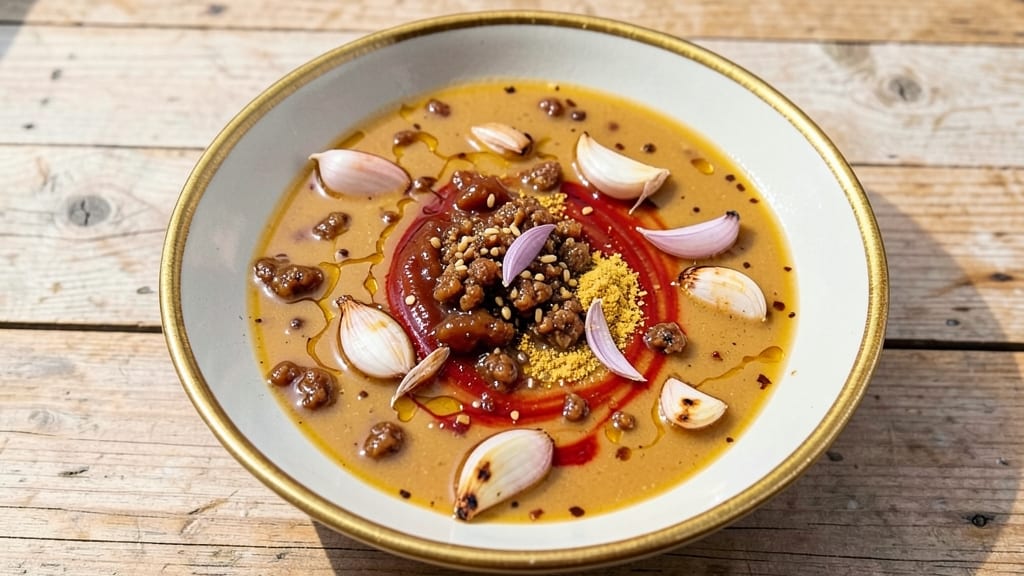
This Burmese salad dressing recipe brings the bold, tangy flavors of Myanmar to your table with just a few simple ingredients. The secret lies in balancing tamarind's sharp sweetness with toasted sesame oil's nutty richness, creating a dressing that transforms ordinary salads into vibrant, flavor-packed meals.
I first discovered this recipe while exploring my grandmother's handwritten notes—her version was even simpler, relying on instinct rather than measurements.
The foundation of this dressing is a mix of tamarind paste, garlic, shallots, and a touch of fermented fish paste (ngapi) for that signature umami depth. Toasted sesame oil adds a subtle nuttiness that ties everything together, while turmeric contributes a warm, earthy note.
Unlike many salad dressings, this one develops even better after sitting for a few hours, allowing flavors to meld into perfect harmony.
What makes this dressing truly special is its versatility—it elevates simple greens, pairs beautifully with grilled meats, and even enhances noodle dishes. The tangy-sweet profile cuts through rich flavors while adding a bright, aromatic finish. Once you try this, you'll never reach for store-bought dressing again.
With just 10 minutes of prep and ingredients you can easily find at specialty markets or online, this dressing is perfect for weeknight meals or special occasions. The key is letting it rest before using, which allows the flavors to fully develop and create that authentic Burmese zing.
Ingredients for burmese salad dressing
Nine ingredients blend into a dressing that transforms salads with Burmese tangy-sweet harmony.
| Ingredient | Amount | Notes |
|---|---|---|
| Tamarind Paste 🍈 | ½ cup | Unsweetened, block or paste form |
| Toasted Sesame Oil 🫒 | ¼ cup | Lightly toasted for nuttiness |
| Fermented Fish Paste (Ngapi) 🐟 | 1 tbsp | Traditional Burmese ngapi |
| Garlic Cloves 🧄 | 4 cloves | Freshly minced for sharpness |
| Shallots 🧅 | 3 whole | Finely minced, not sliced |
| Turmeric Powder 🌿 | ½ tsp | Freshly ground preferred |
| Rice Vinegar 🍶 | ¼ cup | White or seasoned variety |
| Palm Sugar 🍯 | ¼ cup | Or substitute brown sugar |
| Sesame Seeds 🌰 | 1 tbsp | Toasted for garnish |
| Water 💧 | ¼ cup | For thinning consistency |
Tamarind is the heart of this dressing—look for unsweetened blocks or paste at Asian markets. Thai Kitchen or Mae Ploy brands work well if you can't find fresh. The fermented fish paste (ngapi) gives that signature umami kick, and you'll find it in the refrigerated section of specialty stores or online. Toast your sesame oil in a dry pan for 30 seconds—just until it smells nutty, but don't burn it. For the garlic and shallots, mincing by hand gives you more control than a food processor. If you're short on time, a microplane works too.
No tamarind paste? Substitute lime juice plus 1 tbsp maple syrup—it won't be identical, but it'll get you close. Running out of rice vinegar? Apple cider vinegar plus 1 tsp sugar works in a pinch. The palm sugar can be swapped for brown sugar, but lightly toast it first to deepen the caramel notes. For a vegetarian version, omit the ngapi and add 1 tbsp soy sauce plus 1 tsp miso paste. The dressing should be thick but pourable—adjust with water if needed. If it's too tangy, add a pinch more sugar.
This dressing tastes even better after 2-4 hours of resting—the flavors meld beautifully. Store it in a glass jar in the fridge for up to 2 weeks. The longer it sits, the more complex the flavors become. For a quick garnish, toast the sesame seeds in a dry pan until golden and sprinkle over salads. The dressing pairs perfectly with grilled meats, fresh greens, or noodle dishes. If you make extra, freeze it in ice cube trays for single-serving portions.
Why You'll Love This Recipe
- Five-Ingredient Magic: I swear, this dressing comes together with just a few pantry staples and 10 minutes of stirring. No fancy techniques—just blend, taste, adjust. That’s it. The tamarind and ngapi do all the heavy lifting.
- Umami Bomb: Honestly, the moment I taste that fermented fish paste (ngapi) mixed with garlic and shallots, my mouth waters. It’s funky, deep, and addictive—like a secret handshake for your taste buds. One spoonful and you’ll be hooked.
- Salad Game-Changer: Between us, this dressing turns basic greens into a showstopper. Drizzle it over mixed greens, shredded cabbage, or even grilled chicken, and suddenly you’ve got restaurant-quality flavor. My lazy weeknights thank me.
- Budget Powerhouse: A little goes a long way—this dressing stretches across multiple meals without breaking the bank. Toasted sesame oil adds richness for pennies, and tamarind paste keeps it tangy without costing a fortune. Leftovers? Just store them and reuse for days.
Step-by-step instructions for Burmese salad dressing
This vibrant dressing balances sweet, sour, umami, and nutty depth—let's build it layer by layer.
Bloom the Turmeric and Toast the Sesame Oil
In a small saucepan, gently heat the 0.25 cup toasted sesame oil over low heat until it shimmers lightly—about 2 minutes. Immediately whisk in the 0.5 teaspoon turmeric powder and cook for another 30 seconds until the spices dissolve completely and the oil takes on a golden hue. This step develops the earthy, aromatic base while preventing the turmeric from clumping.
Here's the thing—don't let the oil get hot enough to smoke. You're not frying; you're simply infusing. Remove from heat once the turmeric is fully incorporated and set aside to cool slightly. The oil should still be warm but not burning hot when you add the next ingredients.
Build the Umami Foundation with Ngapi and Aromatics
In a medium bowl, combine the cooled sesame-turmeric oil with the 1 tablespoon fermented fish paste (ngapi). Using a fork, mash the ngapi into the oil until it forms a smooth, sticky paste—this releases its deep umami flavor. Add the 4 minced garlic cloves and 3 finely minced shallots, stirring vigorously for 1 minute until the aromatics soften slightly and the mixture becomes fragrant.
I press down gently with the fork during this step to ensure the ngapi fully emulsifies. If it looks too thick, that's normal—the tamarind and vinegar will help thin it later. The garlic and shallots should be so finely minced they nearly dissolve into the paste, creating a silky texture rather than visible chunks.
Balance Sweet, Sour, and Tangy Elements
In a separate small bowl, whisk together the 0.5 cup tamarind paste, 0.25 cup palm sugar, and 0.25 cup rice vinegar until the sugar dissolves completely and the mixture becomes smooth. This combination creates the signature Burmese balance—tamarind's tartness cuts through the richness of the ngapi, while the palm sugar adds just enough sweetness to round out the flavors.
If you're using block tamarind, be sure to dissolve it first in 0.25 cup warm water before adding to this mixture. The result should be a thick, syrupy liquid that coats the back of a spoon. Taste it now—it should be pleasantly acidic with a hint of sweetness, not overwhelmingly sour.
Emulsify the Dressing to Perfection
Gradually pour the tamarind-vinegar mixture into the ngapi-oil bowl while whisking continuously. This slow incorporation prevents the dressing from separating. Add the 0.25 cup water in a thin stream, whisking vigorously after each addition until the dressing reaches a smooth, pourable consistency. It should coat the back of a spoon but still flow freely.
Here's where it gets fun—taste and adjust. Need more tang? Add a splash more rice vinegar. Too sharp? Balance with a pinch of palm sugar. The dressing should sing with complex flavors: bright from the vinegar, deep from the ngapi, nutty from the sesame oil, and just a whisper of earthy turmeric.
Finish and Garnish for Restaurant-Quality Results
Transfer the dressing to a clean jar and let it sit at room temperature for 10 minutes to allow the flavors to meld. Before serving, sprinkle with the 1 tablespoon toasted sesame seeds, gently stirring just until combined. The seeds add a delightful crunch that contrasts beautifully with the smooth dressing.
This dressing keeps for up to 2 weeks in the refrigerator, though I promise it won't last that long. It's perfect for tossing with fresh greens, drizzling over grilled meats, or serving alongside Burmese te leaf salad. The key to its success lies in the balance—each component must be measured precisely and combined thoughtfully.
Pro Tips For Making Burmese Salad Dressing
- Bloom the Tamarind: DESCRIPTION: Soften the tamarind paste in warm water first—about 2 tablespoons per 1 tablespoon of paste. I learned this the hard way when my dressing turned grainy and clumped; the paste needs to dissolve completely before mixing. Stir it in last, or you’ll regret it.
- Toast the Garlic: DESCRIPTION: Lightly fry the minced garlic and shallots in sesame oil until just golden—about 2 minutes. Overcooking burns them into bitterness, and you want that sweet, nutty aroma to shine. Keep the heat medium-low; patience here pays off.
- Balance the Ngapi: DESCRIPTION: Start with half the recommended ngapi, then taste before adding more. Fermented fish paste is potent, and too much overpowers the tamarind’s tang. If you’re unsure, mix it with a splash of the tamarind water first to temper the flavor.
- Chill Before Serving: DESCRIPTION: Let the dressing sit in the fridge for at least 30 minutes after mixing. The flavors meld better when cool, and the heat from fresh ingredients can mute the complexity. Sounds weird, but it works—your salad will thank you.
Pro cooking tips for great burmese salad dressing
Toast the Sesame Oil
Never skip toasting your sesame oil—this step unlocks its nutty depth. Heat 0.25 cup sesame oil in a small pan over low heat for exactly 2-3 minutes until it smells toasty but not smoky.
I use a 10-inch cast iron skillet because it distributes heat evenly. Watch closely—burnt oil ruins the dressing. Let it cool slightly before using, or the garlic will sizzle uncontrollably. 🌰
Mince Aromatics Properly
Finely mincing garlic and shallots is non-negotiable for authentic texture. Use a microplane or chef's knife for paper-thin slices, then pulse in a food processor until nearly paste-like. I learned this from my grandmother—she'd press the minced garlic through a strainer to remove skins.
This creates a silky dressing rather than one with visible chunks. For extra flavor, let the minced aromatics sit for 5 minutes before mixing with other ingredients.
Emulsify Like a Pro
The secret to a smooth dressing lies in gradual incorporation. Pour the tamarind-vinegar mixture into the oil-ngapi bowl in a thin, steady stream while whisking vigorously. Use a balloon whisk for maximum air incorporation. If it separates, add 1 teaspoon water at a time until it recombines.
I've ruined dressings by rushing this step—patience pays off with a velvety texture. The dressing should coat the back of a spoon but still pour easily.
Adjust for Balance
Taste your dressing after combining all ingredients—this is where magic happens. Need more tang? Add ½ teaspoon rice vinegar. Too sharp? Balance with ¼ teaspoon palm sugar. For extra umami depth, stir in ¼ teaspoon fish sauce.
The ideal dressing should sing with all five flavors: sweet, sour, salty, bitter, and umami. I keep a small bowl of each component nearby when testing—this makes adjustments precise. 💡
Rest Before Using
Let your dressing rest for at least 30 minutes (or up to 4 hours) before serving. This allows flavors to meld and the texture to stabilize. I often make mine the night before—it tastes even better after resting overnight.
Store in a glass jar in the fridge. The longer it sits, the more complex the flavors become. Pro tip: Shake gently before using if any separation occurs during storage.
Garnish for Texture
Toasted sesame seeds aren't just decoration—they add crucial crunch. Heat 1 tablespoon sesame seeds in a dry pan over medium heat for 1-2 minutes until golden brown. Stir them into the dressing just before serving. For extra flair, add thinly sliced red onion or crushed roasted peanuts.
The contrast between the smooth dressing and textured garnish elevates every bite. This is where home cooks can make restaurant-quality dishes shine. ✨
Nutrition facts
Frequently asked questions
Can I make this dressing without fermented fish paste (ngapi)?
For a vegetarian version, replace the ngapi with 1 tablespoon soy sauce plus 1 teaspoon miso paste to maintain umami depth. The dressing will still taste authentic but with a milder, more savory profile. If you're avoiding soy, use 1 teaspoon fish sauce instead—it delivers that signature Burmese punch without ngapi.
How do I substitute tamarind if I can't find it?
Mix ¼ cup lime juice with 1 tablespoon maple syrup for a close approximation, though it won't be identical. The acidity will mimic tamarind's tang, while the syrup adds sweetness. For a more authentic texture, dissolve 1 tablespoon brown sugar in ¼ cup warm water and use that instead. The dressing will be brighter but slightly less complex.
Why does my dressing separate after resting?
Separation happens when oil and water-based ingredients aren't properly emulsified. Fix it by whisking in 1 teaspoon water at a time until smooth. For future batches, whisk more vigorously during Step 4 or add ingredients in smaller amounts. The dressing should coat the back of a spoon without being thick. If it still separates, store it in the fridge and shake gently before using.
What's the best way to use this dressing?
Drizzle over Burmese te leaf salad (thinly sliced green papaya salad) for the classic pairing, or toss with mixed greens and shredded cabbage. It also elevates grilled chicken or pork, rice noodle salads, or even steamed vegetables. For extra flair, pair with toasted coconut flakes or crushed peanuts. The dressing works best when served at room temperature.
Can I make this dressing spicier?
Yes! Add ½ teaspoon chili flakes or 1 teaspoon sambal oelek during Step 4 for heat. For a smoky kick, stir in ¼ teaspoon smoked paprika with the turmeric. If you love fresh heat, mash 1 small Thai chili (seeds removed) with the garlic and shallots. Start with half the amount and adjust to taste—this dressing packs bold flavors already!