
Salads
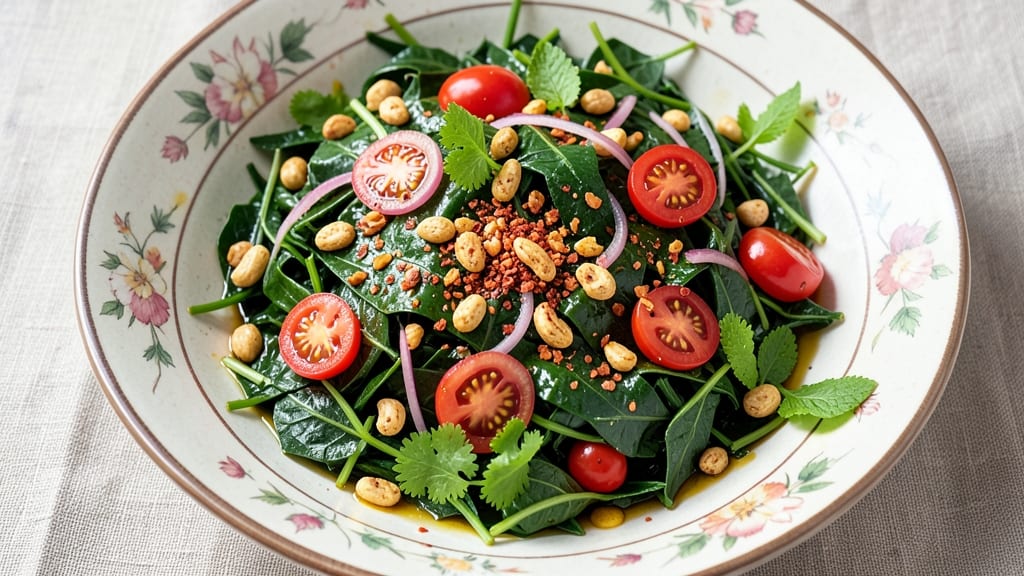
This authentic Burmese tea leaf salad delivers the perfect balance of tangy, crunchy, and herbal flavors that define Yay Lay Kha.
The secret lies in properly preparing the tea leaves—steeping them just enough to release their earthy aroma without bitterness—then combining them with toasted peanuts, fresh herbs, and a zesty tamarind dressing.
I first discovered this dish during a trip to Myanmar, where it was served as both a refreshing side and a bold appetizer.
The recipe's magic comes from texture contrast: tender tea leaves, crisp peanuts, and juicy tomatoes create every satisfying bite. Traditional Burmese cooking emphasizes freshness and balance, and this salad embodies that philosophy.
While it may sound unusual to Western palates, the combination of fermented tea with sweet, salty, and sour elements makes it unforgettable.
What makes this salad truly special is how it transforms simple ingredients into something vibrant and complex. The tamarind dressing adds depth, while lime juice brightens each component.
This dish works beautifully as a side for grilled meats or as an appetizer with warm rice crackers—either way, it's a taste of Myanmar's culinary tradition.
Ready to experience Burmese flavors at home? The process is straightforward but requires attention to detail, particularly in preparing the tea leaves and achieving the right balance of flavors. Let's bring this authentic dish to your table.
Ingredients for authentic burmese tea leaf salad
Authentic Burmese flavors start with these carefully chosen ingredients—each playing a vital role in creating Yay Lay Kha's signature harmony.
| Ingredient | Amount | Notes |
|---|---|---|
| Black Tea Leaves ☕ | ½ oz | Fermented Burmese tea preferred |
| Toasted Peanuts 🥜 | ¾ cup | Lightly crushed for texture |
| Red Onion 🧅 | ½ cup | Thinly sliced, white parts removed |
| Cherry Tomatoes 🍅 | 1 cup | Halved, vine-ripened preferred |
| Fresh Cilantro 🌿 | ½ cup | Stems removed, chopped finely |
| Fresh Mint Leaves 🍃 | ¼ cup | Torn by hand for texture |
| Tamarind Paste 🍯 | 2 tbsp | Thick, unsweetened preferred |
| Lime Juice 🍋 | ½ cup | Freshly squeezed, no pulp |
| Fish Sauce 🍶 | 1 ½ tbsp | Vegetarian alternative (soy sauce) |
| Sugar 🍚 | 1 ½ tbsp | White or palm sugar |
| Vegetable Oil 🫒 | 2 tbsp | For toasted peanuts |
| Salt 🧂 | 1 tsp | Diamond Crystal preferred |
| Fresh Chili Peppers 🌶️ | 1 piece | Bird's eye or Thai chili, seeded |
The tea leaves are the heart of this dish—traditional Burmese fermented tea leaves are ideal, but high-quality black tea works in a pinch. Look for loose-leaf varieties at World Market or specialty tea shops, as pre-packaged grocery store tea lacks the necessary depth. The tamarind paste should be thick and unsweetened; Thai Kitchen brand is widely available and reliable. Fresh herbs like cilantro and mint should be vibrant with no wilting—Asian markets often carry the freshest varieties. For the chili peppers, Thai bird's eye chilies deliver authentic heat, but any fresh chili will work if you adjust the quantity to taste.
No tamarind paste? Lemon juice with a pinch of sugar mimics the tangy-sweet profile, though it won't be identical. Running short on fish sauce? Soy sauce or coconut aminos provide a similar umami base, but reduce the amount by half to avoid overpowering the dish. The peanuts must be toasted for that essential crunch—skip the pre-salted variety unless you're comfortable adjusting the overall salt balance. For the tomatoes, heirloom varieties add visual appeal, but regular cherry tomatoes work perfectly fine. If you're using dried tamarind, soak it in warm water for 30 minutes to create a paste before measuring.
Store the tea leaves in an airtight container away from light for up to 6 months, though they'll lose potency after 3 months. Fresh herbs should be wrapped in damp paper towels and refrigerated for no more than 5 days. The tamarind paste keeps indefinitely in the pantry, while the dressing components (lime juice, fish sauce, sugar) can be pre-mixed and stored for 1 week. For best texture, toast the peanuts fresh before assembling the salad—they lose crispness within 2 hours. This dish is best enjoyed immediately after preparation, though the flavors meld beautifully over 24 hours in the refrigerator for those who prefer a more integrated taste profile.
Why You'll Love This Recipe
- No-Chop Nightmare: I swear, this salad takes less effort than ordering takeout. The tea leaves just steep in hot water—no chopping, no fuss—while you toss together the onions, tomatoes, and cilantro in minutes. Honestly, the hardest part is resisting the urge to eat it straight from the bowl.
- Umami Bomb: That first bite of toasted peanuts and steeped tea leaves? Chef’s kiss. The bitter-sweet tea mellows into something rich, while the peanuts add crunch and depth—like a savory, herby hug in salad form. Between us, it’s the kind of flavor that makes you pause mid-bite.
- Lunchbox Hero: Pack this for work or school, and you’ll be the star of the day. It holds up perfectly for 2-3 days in the fridge, and the flavors actually improve as the tea leaves infuse longer. (Yes, even on a Tuesday night when you’re too tired to think.)
- Pocketbook Winner: Tea leaves and peanuts stretch this salad into a full meal without breaking the bank. A single bag of black tea makes multiple servings, and the rest of the ingredients? Basic, cheap, and pantry-friendly. My wallet thanks me every time.
Step-by-step instructions for authentic Burmese tea leaf salad
Transform simple ingredients into a complex, balanced salad with layers of earthy tea, tangy tamarind, and nutty crunch.
Toast the Peanuts for Maximum Flavor
Heat the 2 tablespoons vegetable oil in a dry skillet over medium heat. Add the 0.75 cup toasted peanuts and toast for 3-4 minutes, stirring constantly until they turn a rich golden brown and release their nutty aroma. This step is crucial—it deepens their flavor and prevents them from becoming soggy when mixed with the dressing.
Remove the peanuts immediately when they begin to darken, as they'll continue cooking from residual heat. Let them cool completely before crushing lightly with your hands or a rolling pin. You want them to retain some texture while still breaking into smaller pieces for even distribution throughout the salad.
Prepare the Tea Leaf Base
In a small bowl, combine the 0.5 oz black tea leaves with 0.5 cup lime juice and let steep for 5-7 minutes. The tea should develop a deep amber color and earthy aroma—this is your flavor foundation. Strain through a fine-mesh sieve, pressing gently to extract all the liquid, and discard the leaves.
In a separate bowl, whisk together the strained tea, 2 tbsp tamarind paste, 1.5 tbsp fish sauce, 1.5 tbsp sugar, and 1 tsp salt. This mixture should balance sweet, sour, and umami perfectly. Taste and adjust—you might need an extra splash of lime juice or a pinch more sugar to achieve the right equilibrium. The dressing should coat the back of a spoon with a glossy sheen.
Assemble the Vegetable Components
In a large mixing bowl, combine the 0.5 cup thinly sliced red onion, 1 cup halved cherry tomatoes, 0.5 cup finely chopped fresh cilantro, and 0.25 cup torn fresh mint leaves. Gently toss everything together just until the ingredients are evenly distributed. Avoid overmixing, as this can bruise the tomatoes and soften the herbs.
Add the cooled crushed peanuts and the prepared dressing to the bowl. Fold gently but thoroughly to ensure every ingredient is coated. The salad should look vibrant with deep reds from the tomatoes, purples from the onion, and bright greens from the herbs. The tea-infused dressing will give it a glossy, appetizing finish.
Add Heat and Final Adjustments
Finely mince the 1 piece fresh chili peppers (remove seeds if you prefer less heat) and sprinkle evenly over the salad. The chili adds a bright, spicy contrast that cuts through the richness of the peanuts and the earthiness of the tea. Taste one final time and adjust seasoning if needed—perhaps a touch more lime for brightness or a pinch more salt for depth.
Serve immediately while the flavors are at their peak. This salad is best enjoyed fresh, as the herbs will wilt and the dressing may separate if left to sit. The contrast of temperatures works beautifully—serve it chilled alongside warm grilled meats or as a refreshing starter on its own.
Pro Tips For Making Authentic Burmese Tea Leaf Salad
- Toast Leaves First: I learned this the hard way—steeping tea leaves in hot water before tossing them into the salad makes all the difference. Use 1 cup of boiling water per 2 tablespoons of loose black tea, then drain immediately. Cold leaves just won’t release that deep, earthy flavor the way freshly steeped ones do.
- Thinly Slice Onions: Skip the chopping—thinly slice your red onion lengthwise into paper-thin strips. This keeps the texture crisp and prevents the salad from turning soggy. (Yes, even if you’re impatient like me, resist the urge to dice them.)
- Crush Peanuts Roughly: Toasted peanuts should be broken into uneven chunks, not ground into powder. This adds texture and prevents the salad from feeling too heavy. Use a rolling pin or heavy pan—no food processor needed.
- Add Dressing Last: Mix the dressing separately and toss it with the salad just before serving. The acid in the dressing (usually tamarind or lime) softens the tea leaves and tomatoes over time, so waiting keeps everything bright and crisp. (Your future self will thank you.)
Serving suggestions for this recipe
Traditional Serving Style
In Myanmar, this salad is typically served as a cooling accompaniment to warm, spicy dishes like grilled fish or chicken. I've seen it presented in small, shallow bowls at the table, allowing guests to scoop it with their hands—this is common Burmese practice for sharing.
The contrast of temperatures makes every bite refreshing, especially after rich, oily meats. 🍽️
Pairing with Grilled Meats
This salad pairs beautifully with grilled lemongrass chicken or fish with turmeric marinade. The tea leaf's earthiness complements the citrusy notes in the marinades, while the peanuts add satisfying crunch.
I recommend serving it alongside Burmese-style rice crackers for scooping extra dressing. For a complete meal, add a side of steamed jasmine rice to soak up any remaining flavors.
As a Refreshing Appetizer
Serve this salad chilled as a vibrant appetizer before heavier courses. The tangy tamarind and bright herbs make it an excellent palate cleanser. I like to arrange it on a large platter with lime wedges on the side for guests to squeeze extra juice over their portions.
Garnish with extra mint leaves for a pop of color that makes the dish look as appealing as it tastes.
Modern Twist: Salad Bowls
For a contemporary presentation, assemble the salad in individual glass bowls with the dressing drizzled artistically on top. Layer the ingredients vertically—peanuts at the bottom, followed by tomatoes and onion, then herbs—for a visually stunning dish.
Top with crushed peanuts and chili flakes for both texture and heat. This works beautifully for brunch or light lunches with friends.
Beverage Pairings
Complement the salad with Burmese-style tea (lightly sweetened black tea) or a sparkling lime soda for a refreshing contrast. For an alcoholic pairing, try a dry Riesling—its acidity mirrors the tamarind's tang.
I also love serving it with Thai iced tea for a sweet-spicy balance that enhances the salad's complexity. Avoid heavy wines or beers that might overpower the delicate flavors.
Make-Ahead Tips for Serving
Prepare the dressing and toast the peanuts 1 day ahead to streamline serving. Store them separately in airtight containers in the fridge. When ready to serve, simply assemble the salad and let it sit for 10 minutes to allow flavors to meld.
This works especially well for holiday gatherings or potlucks, where you want to minimize last-minute prep. Just add fresh herbs and chili right before serving to keep everything vibrant. ✨
Nutrition facts
Frequently asked questions
Can I substitute regular black tea for Burmese fermented tea leaves?
Yes, but there will be flavor differences. Use high-quality loose-leaf black tea like Assam or Ceylon, which have stronger, earthier notes. Steep it for 5-7 minutes in 0.5 cup lime juice to extract maximum flavor. The tea will be less fermented but still provide the necessary earthy base. For authenticity, seek out Burmese-style tea leaves at specialty Asian markets.
How do I adjust the spice level for sensitive eaters?
Remove seeds and membranes from the chili pepper before mincing to reduce heat significantly. For milder versions, use only half the amount or swap it for 1 teaspoon chili flakes. If you prefer no spice, omit it entirely—this dish still shines with its tangy, nutty, and herbal flavors. The tamarind and lime provide plenty of brightness without needing chili.
Can I make this salad ahead of time?
Prepare the dressing and toast the peanuts 1 day ahead for convenience. Store them separately in airtight containers in the fridge. When ready to serve, combine everything just before eating. The herbs will stay freshest if added last—this ensures maximum crunch and vibrancy. The flavors meld beautifully after 24 hours in the fridge, but texture suffers if left too long.
What's the best way to store leftover tea leaves?
Keep unused tea leaves in an airtight container away from light and moisture. They'll maintain quality for up to 6 months, though flavor peaks within 3 months. For best results, store in a cool, dark place like a pantry. If the leaves lose potency, simply steep them longer (up to 10 minutes) to intensify flavor. Never refrigerate—this can cause condensation and spoil the leaves.
Why does my salad taste too bitter?
Oversteeping the tea leaves or using too much fish sauce typically causes bitterness. Reduce the steeping time to 5 minutes and taste the tea before mixing with other ingredients. If using fish sauce, start with 1 tablespoon and adjust gradually. The tamarind and sugar should balance any bitterness—add more lime juice if needed to brighten the flavors.