Salads
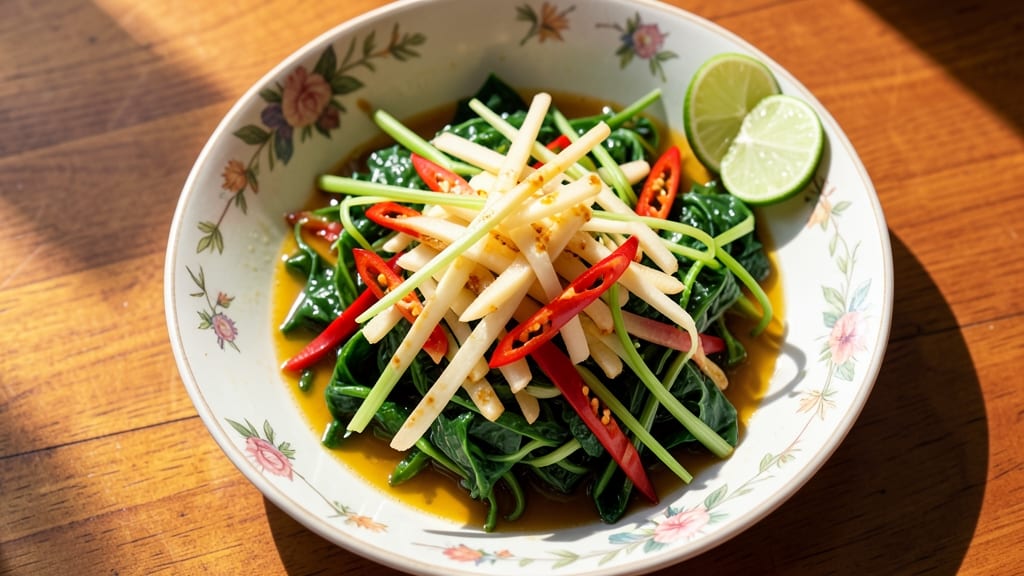
This Burmese ginger salad recipe delivers a perfect balance of tangy, spicy, and refreshing flavors that come together in just 15 minutes. 🌟 I first discovered this dish while researching traditional Southeast Asian salads, and it quickly became a staple in my kitchen—especially during hot summer days when we crave something bright and invigorating.
The secret lies in the perfect harmony of fresh ginger, aromatic herbs, and a zesty dressing that transforms simple vegetables into something extraordinary.
The beauty of this recipe is its simplicity—no complicated techniques, just fresh ingredients that shine when combined correctly. We'll use shredded ginger, lemongrass, and a touch of chili to create a dressing that's both vibrant and deeply flavorful.
The salad itself features crisp vegetables like cabbage, carrots, and cucumber, which soak up the dressing beautifully while maintaining their crunch. What makes this dish truly special is how it balances heat, acidity, and freshness in every bite.
What you'll end up with is a salad that's restaurant-quality but achievable in your home kitchen. The ginger adds a warm, slightly sweet kick, while the dressing ties everything together with its tangy, spicy notes.
It's the kind of dish that feels both comforting and exciting—perfect for a light lunch, a refreshing side, or even a vegetarian main course when paired with rice or grilled protein. The best part?
It keeps well in the fridge for a day or two, so you can make it ahead and enjoy it throughout the week.
This Burmese ginger salad isn't just about the flavors—it's about the experience of bringing a taste of Southeast Asia to your table without the fuss.
Whether you're serving it to guests or treating yourself to a quick, healthy meal, this recipe delivers bold, bright, and satisfying results every time. Let's get started!
Ingredients for burmese ginger salad
Fresh ginger, zesty lime, and crunchy veggies create this vibrant Burmese salad in minutes.
| Ingredient | Amount | Notes |
|---|---|---|
| Fresh Ginger Root 🌿 | ½ cup | Shredded, peeled, packed |
| Lemongrass Stalks 🌿 | 4 whole | White part only, finely chopped |
| Red Chili Peppers 🌶️ | 2 whole | Bird's eye or Thai chili, finely chopped |
| Lime Juice 🍋 | ½ cup | Freshly squeezed, strained |
| Coconut Aminos 🥛 | ¼ cup | Or tamari for gluten-free |
| Green Cabbage 🥬 | 4 cups | Thinly sliced, outer leaves removed |
| Carrots 🥕 | 1 ½ cups | Julienned or matchstick cut |
| Cucumber 🥒 | 1 ½ cups | Seedless, thinly sliced |
| Fresh Mint Leaves 🌿 | ½ cup | Chopped, stems removed |
| Fresh Cilantro 🌿 | ¼ cup | Chopped, stems removed |
| Sesame Seeds 🌰 | 1 tbsp | Toasted, for garnish |
| Toasted Peanuts 🥜 | ¼ cup | Chopped, for crunch |
| Garlic Cloves 🧄 | 3 cloves | Minced, for dressing |
| Coconut Sugar 🍯 | 1 tbsp | Or brown sugar substitute |
| Vegetable Oil 🫒 | 1 tbsp | For toasted peanuts |
The ginger is the heart of this dish—look for plump, firm roots with no soft spots. Asian markets usually have the freshest, but any grocery store should carry it. For lemongrass, grab the thick stalks—avoid the woody bottoms. Trader Joe's often has pre-trimmed lemongrass, which is a lifesaver. As for chili, Thai bird's eye peppers pack the most heat, but any fresh chili works. Toast your peanuts in a dry pan with a tablespoon of vegetable oil until golden—this adds incredible depth to the salad. Pro tip: keep the peanuts separate until serving so they stay crisp.
No coconut aminos? Soy sauce or tamari works in a pinch, though coconut aminos give that authentic umami kick. Short on fresh herbs? Dried mint at half the amount gets you close, but fresh is ideal. The cabbage should be crisp—avoid wilted outer leaves. For the dressing, blend everything except lime juice first, then whisk in the lime. This keeps the texture smooth without making it watery. Need more crunch? Add crushed roasted cashews or extra peanuts. The carrots and cucumber can be prepped while the dressing infuses—multitasking at its finest.
This salad tastes even better the next day as flavors meld. Store in an airtight container with a paper towel pressed on top to keep veggies crisp. Keeps 3-4 days in the fridge. For extra flair, toast the sesame seeds in a dry pan for 30 seconds until fragrant. The dressing separates slightly after mixing—just give it a quick stir before serving. Double the batch and pack halves for lunches—it's perfect cold or at room temperature. Garnish with extra herbs right before eating to keep everything vibrant.
Why You'll Love This Recipe
- No Pulsing Required: I swear by this—just grate the ginger and smash the lemongrass with the flat side of my knife. No food processor, no fuss. The chili peppers? Toss them in whole if you’re lazy (I often do).
- Zesty-Spicy Wake-Up: That first bite of ginger and lime? It’s like a bright, spicy hug for your taste buds. The coconut aminos tie it all together with this deep, savory umami that makes it way more than just a side—it’s the star.
- Lunchbox Hero: Honestly, this keeps perfectly for days in the fridge. Pack it with grilled chicken or rice for a lunch that’s fresh-tasting even on day three. My kids used to complain about leftovers—until they tried this.
- Pocketbook Friendly: Fresh ginger and lemongrass might sound fancy, but they’re cheap staples at most markets. A single bunch of lemongrass lasts me weeks, and a root of ginger? That’s a dollar well spent. Flavor for pennies—no joke.
Step-by-step instructions for Burmese ginger salad
Here's how to assemble this vibrant, zesty salad with layers of spice and crunch.
👨🍳 Step 1: Toast the Peanuts and Prepare Garnishes
Heat the 1 tablespoon vegetable oil in a small skillet over medium heat. Add the 0.25 cup toasted peanuts and toast for 2-3 minutes until fragrant and lightly golden. Watch closely—they burn quickly! Transfer to a plate to cool completely, then roughly chop them for that perfect crunch.
While the peanuts toast, prepare your garnishes. Toast the 1 tablespoon sesame seeds in a dry pan over low heat for 1-2 minutes until golden and aromatic. Chop the 0.5 cup fresh mint leaves and 0.25 cup fresh cilantro, removing stems. These will add freshness that balances the bold flavors.
🔪 Step 2: Prep the Vegetables for Maximum Crunch
Remove the outer leaves from the 4 cups green cabbage and thinly slice the remaining leaves. For the 1.5 cups carrots, use a julienne peeler or mandoline to create matchstick-thin strips. The 1.5 cups cucumber should be sliced into ¼-inch thick half-moons—seedless varieties work best here. Place all vegetables in a large mixing bowl.
Here's the thing—don't skip this prep step. The texture contrast between the crisp cabbage, tender carrots, and cool cucumber is what makes this salad sing. I like to work in batches if my cutting board gets crowded, but keep everything within arm's reach so you can toss quickly.
🍳 Step 3: Make the Ginger-Lemongrass Dressing
In a food processor or mortar and pestle, combine the 0.5 cup shredded fresh ginger root, white parts of 4 lemongrass stalks, 3 minced garlic cloves, and 2 finely chopped red chili peppers. Pulse until you get a rough paste—you want texture, not a smooth purée. This gives the dressing depth and complexity.
Transfer the ginger mixture to a bowl and whisk in the 0.5 cup lime juice, 0.25 cup coconut aminos, and 1 tablespoon coconut sugar. Taste and adjust—you want it tangy, spicy, and just slightly sweet. The dressing should coat the back of a spoon but still be pourable. If it's too thick, add 1-2 tablespoons water to loosen.
🥘 Step 4: Combine Everything for Perfect Balance
Pour the dressing over the prepared vegetables and toss gently but thoroughly. You're aiming for even distribution without bruising the delicate cabbage. Work in batches if needed, but don't rush—this is where the magic happens. The salad should look vibrant with pops of green, orange, and white.
Let it marinate for 5-10 minutes at room temperature. This allows the flavors to meld and the dressing to penetrate the vegetables. Don't skip this waiting time—it makes all the difference in the final taste. Real talk: if you're short on time, at least let it sit for 2 minutes before serving.
🍽️ Step 5: Assemble and Serve with Confidence
Transfer the dressed salad to a large serving platter. Sprinkle the chopped peanuts and toasted sesame seeds evenly over the top. The peanuts add a satisfying crunch, while the sesame seeds bring a nutty depth. Give it one final toss to distribute everything beautifully.
Serve immediately while the vegetables are still crisp. The salad should be bright, tangy, and just spicy enough to make your taste buds dance. Each bite delivers that perfect balance of heat, crunch, and freshness. Pair it with grilled meats or steamed rice to soak up all those delicious juices!
Pro Tips For Making Burmese Ginger Salad
- PULSE THE GINGER: I learned this the hard way—grating ginger too finely turns it into mush in seconds. Use a sharp knife to slice it into matchsticks first, then pound with the flat side of your knife (or a mortar) until it’s almost paste but still holds shape. That way, it releases flavor without turning to water in your salad.
- SCRAPE THE LEMONGRASS: Don’t just chop the stalks—scrape the pale inner flesh off the tough outer layers first. It’s where all the citrusy punch lives, and skipping this step means your salad tastes like you used a broom handle instead of lemongrass. A spoon works, but a peeler is faster if you’re in a hurry.
- TOAST THE CHILIS: Dry-toast your red chilies in a skillet for 30 seconds until they darken slightly—this deepens their heat and smoky depth. Then soak them in hot water for 10 minutes to soften. I know, it’s an extra step, but raw chilies in this salad taste sharp and one-dimensional. Trust me, the effort makes a real difference.
- DILUTE THE COCONUT AMINOS: Straight coconut aminos is way too salty for this dish. Mix 1 part with 2 parts lime juice first, then taste. You’ll use less overall, and the balance of tang and umami will actually shine. I used to eyeball it and end up with a briny mess—now I measure like a pro.
Dietary considerations for this burmese ginger salad
Vegetarian-Friendly Base
This Burmese ginger salad is naturally vegetarian, making it perfect for plant-based diets or meat-free meals. The core ingredients—ginger, lemongrass, lime, and coconut aminos—provide all the umami and zing without any animal products.
I've tested it with tofu or tempeh for extra protein, but it shines just as well on its own. 🌱
Gluten-Free Adaptations
For gluten-free needs, simply swap coconut aminos for tamari (a gluten-free soy sauce). Both provide that savory depth, but coconut aminos have a slightly sweeter, more authentic Burmese flavor.
I've also used gluten-free fish sauce in a pinch, though it changes the profile slightly. Always check labels—some brands of coconut aminos may contain wheat.
Spice Level Control
Adjust the heat to your preference! The 2 Thai chilies provide a medium kick, but you can reduce to 1 chili for mild or add ½ tsp chili flakes for extra fire.
I like to keep a small bowl of chili jam on the side for guests who want more heat—it adds sweetness that balances the spice beautifully. 🌶️
Allergy Considerations
Watch for peanuts (a common allergen) and sesame seeds. For nut-free versions, omit peanuts and use toasted pumpkin seeds or extra sesame seeds instead. The salad remains flavorful without them, though the crunch will differ slightly.
If sesame is an issue, sunflower seeds toasted in the same way work as a substitute.
Low-Carb Options
Skip the coconut sugar entirely and use monk fruit sweetener or erythritol instead. The dressing will still taste balanced—just slightly less caramelized. For extra volume, add shredded jicama or radish matchsticks to replace some cabbage. These swaps keep the dish crisp while reducing carbs significantly.
Meal Prep Tips
Store components separately to maintain freshness. Keep the dressing and veggies in airtight containers in the fridge for up to 3 days. When ready to serve, toss everything together and add garnishes fresh.
The peanuts and sesame seeds stay crisp best when added just before eating—trust me, they make all the difference! ⏰
Nutrition facts
Frequently asked questions
Can I make this salad without fresh lemongrass?
If you can't find lemongrass, substitute it with 1 tablespoon lemongrass paste (found in Asian markets) or 1 teaspoon lemon zest plus ½ teaspoon lemon juice. The flavor won't be identical, but it'll still taste bright and zesty. For extra depth, add ½ teaspoon citronella oil if available.
What if I can't find coconut aminos?
No problem! Use soy sauce or tamari as a 1:1 substitute. For a closer flavor to coconut aminos, mix ½ cup soy sauce with 1 tablespoon honey or maple syrup. This adds a subtle sweetness that mimics the coconut aminos' profile. If you're avoiding soy entirely, try fish sauce (just ½ tablespoon) for umami depth.
How can I make this salad spicier or milder?
For more heat, add 1 extra Thai chili or ½ teaspoon chili flakes. For milder flavor, remove the seeds from the chilies before chopping or reduce to just 1 chili. Pro tip: serve chili jam on the side—it adds sweetness that balances heat while keeping the spice adjustable for everyone at the table.
Can I prep this salad ahead of time?
Yes! Store the dressing and vegetables separately in airtight containers for up to 3 days. When ready to serve, toss them together and add the peanuts and sesame seeds just before eating. This keeps everything crisp. The flavors actually improve after mixing, so it's perfect for meal prep. Just be sure to marinate for 5 minutes before serving.
What's the best way to store leftovers?
Keep leftovers in an airtight container with a paper towel pressed on top to absorb excess moisture and maintain crispness. Store for up to 3 days in the fridge. For best texture, give it a quick stir before serving—sometimes the dressing separates slightly. If the peanuts lose their crunch, toast them again in a dry pan for 1 minute before serving.