
Sauces & Condiments
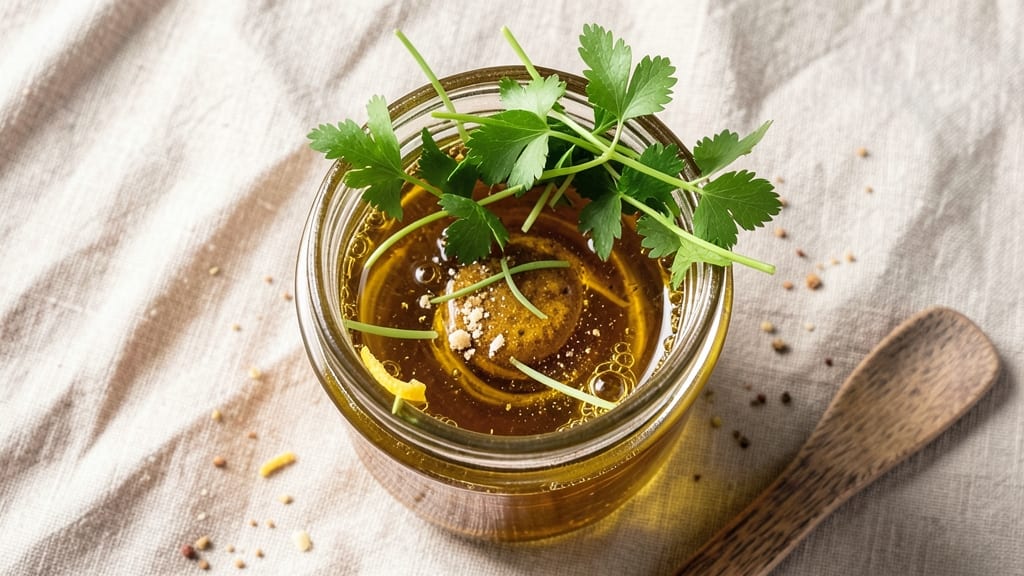
This homemade salad dressing recipe is the best homemade salad dressing recipe ever—delivering restaurant-quality boldness in just 5 minutes—no fancy equipment needed. The secret lies in balancing tangy vinegar, rich olive oil, and fresh herbs to create a silky emulsion that elevates every salad, bowl, or grilled protein.
I developed this after years of testing store-bought versions that always fell short, and it's now my go-to for weeknight meals and entertaining.
The magic happens through proper emulsification: whisking oil into vinegar slowly while adding Dijon mustard as a natural stabilizer. Fresh herbs like parsley and chives add vibrant color and depth, while garlic powder and onion powder build savory complexity.
What sets this apart is its ability to stay creamy for days without separating, making it perfect for meal prep.
What you'll end up with is a dressing so rich and balanced it transforms simple greens into a gourmet experience. The texture remains velvety smooth even after refrigeration, and the flavor profile works equally well on kale salads, grain bowls, or as a marinade for chicken.
This isn't just another dressing—it's a flavor game-changer that stays with you after every bite.
Store it in an airtight container for up to a week, shaking before each use. The ingredients are simple but powerful: high-quality olive oil, apple cider vinegar, Dijon mustard, fresh herbs, and a touch of sweetness from honey. Let's make dressing that actually tastes homemade.
Ingredients for best homemade salad dressing recipe ever
Restaurant-quality dressing starts with these bold, simple ingredients—no shortcuts needed.
| Ingredient | Amount | Notes |
|---|---|---|
| Extra-Virgin Olive Oil 🫒 | ¾ cup | High-quality, fruity variety |
| Apple Cider Vinegar 🍏 | ½ cup | Raw, unfiltered preferred |
| Dijon Mustard 🌶️ | 1 tbsp | Mild or strong variety |
| Fresh Parsley Leaves 🌿 | ½ cup | Finely chopped, stems removed |
| Fresh Chives 🌱 | ¼ cup | Finely chopped, mild flavor |
| Garlic Powder 🧄 | 1 tsp | Freshly ground preferred |
| Onion Powder 🧅 | 1 tsp | Not onion salt |
| Raw Honey 🍯 | 1 tbsp | For subtle sweetness |
| Sea Salt 🧂 | ½ tsp | Fine grain preferred |
| Black Pepper 🌶️ | ¼ tsp | Freshly cracked preferred |
The olive oil is the heart of this dressing—look for extra-virgin with a fruity aroma at stores like Whole Foods or Trader Joe's. Their bulk bins often have the freshest options. Apple cider vinegar should be raw and unfiltered for that tangy depth. Bragg or Texas Pete are solid choices, but any raw vinegar works. Fresh herbs make all the difference—parsley and chives add vibrant color and bright flavor that dried just can't match. If you're short on time, baby spinach or arugula can be blended in for a quick herb boost, but fresh is always better.
No Dijon mustard? Whisk together 1 tsp whole-grain mustard with 1 tsp water as a substitute. Short on honey? Agave nectar or maple syrup works in a pinch—just reduce other liquids slightly to balance. The garlic and onion powders are non-negotiable for that savory depth, but if you're feeling fancy, add 1 minced garlic clove for extra punch. Store-bought dressings often use cheap oils and artificial flavors—this recipe proves you can beat them with just a few quality ingredients. The key is emulsifying properly: whisk the oil into the vinegar slowly while adding the mustard.
This dressing stays creamy for up to a week in an airtight jar—shake before each use. For longer storage, freeze in ice cube trays and thaw as needed. I always double the batch because it disappears fast. The flavor actually improves after a day or two as everything melds together. Perfect for meal prep—just toss with greens or drizzle over grilled chicken. The honey adds just enough sweetness to balance the tang, but you can skip it if you prefer a sharper dressing.
Why You'll Love This Recipe
- No-Fuss Blender Magic: I swear by this recipe because it’s the only dressing I make that never involves shaking a jar—just toss the olive oil, vinegar, mustard, and herbs into a blender, hit pulse, and boom. No straining, no emulsifying stress, and the parsley-chive combo gives it that fresh-from-the-farm brightness without the fuss.
- Tangy-Sweet Balance: The apple cider vinegar cuts through the richness of the olive oil while the Dijon mustard adds a subtle depth that’s not too sharp or too mild. Honestly, it’s the kind of dressing that makes you pause mid-bite—like a perfect handshake between bold and smooth.
- Weeknight Meal Prep Hero: I keep a jar of this in the fridge at all times because it works on everything—grain bowls, roasted veggies, even as a marinade for chicken. Between us, it’s the only dressing I trust to not turn sad in the fridge for days. (Yes, even on a Tuesday night.)
- Pocketbook-Friendly Luxury: Extra-virgin olive oil and fresh herbs might sound fancy, but this recipe uses just enough to stretch a bottle for weeks. I’ll be real: I’ve made this for years, and the cost per serving is a fraction of store-bought. Plus, the leftovers? They last longer than my willpower to resist dipping bread into them.
Step-by-step instructions for bold homemade salad dressing
This dressing comes together faster than you can say "eat salad"—and it tastes like it took hours.
Whisk Together the Base Ingredients
In a medium bowl, combine the 0.75 cup extra-virgin olive oil and 0.5 cup apple cider vinegar. Use a whisk and work in quick, vigorous strokes for 30 seconds—this emulsifies the oil and vinegar right away, preventing separation later. You're not trying to create mayonnaise here, just a smooth foundation.
The oil should look cloudy at first, then gradually clear as it incorporates. If you're using a high-quality, fruity olive oil, you'll notice a rich aroma developing—this is your first taste of the final product. Don't rush this step; proper emulsification now means a silky dressing later. I like to use a glass bowl so I can see the color transformation from pale to golden.
Add the Mustard and Dry Seasonings
Next, stir in the 1 tablespoon Dijon mustard, 1 teaspoon garlic powder, 1 teaspoon onion powder, 0.5 teaspoon sea salt, and 0.25 teaspoon black pepper. The mustard acts as our natural emulsifier—it helps bind the oil and vinegar while adding that signature tangy depth. Mix well until everything is completely dissolved and no dry powder remains.
Here's where the magic happens: the garlic and onion powders dissolve almost instantly, but give it a good stir for 20 seconds to ensure even distribution. You'll smell that aromatic punch building—this is what makes homemade dressing taste so much better than store-bought. The salt and pepper should be fully incorporated at this point, but we'll taste and adjust later if needed.
Incorporate the Fresh Herbs and Honey
Add the 0.5 cup finely chopped fresh parsley leaves and 0.25 cup finely chopped fresh chives to the bowl. Use a wooden spoon to gently fold these in rather than whisking—you want to preserve their texture and vibrant color. Then drizzle in the 1 tablespoon raw honey while continuing to stir.
The herbs should be evenly distributed throughout the dressing. You'll notice the color turning a beautiful vibrant green—this is your visual cue that everything's coming together. The honey will start to dissolve as you mix, but don't worry if it looks slightly streaky at first. The fresh herbs add that bright, garden-fresh quality that separates homemade from anything you'd buy in a bottle.
Taste and Adjust for Perfect Balance
Give the dressing a thorough taste and adjust the seasoning to your preference. Need more acidity? Add another ½ teaspoon apple cider vinegar. Want it sweeter? Stir in another ½ teaspoon honey. The key is balance—you should taste the tang from the vinegar, the richness from the olive oil, the herbal brightness, and just a touch of sweetness from the honey.
I usually find this recipe hits the spot perfectly, but everyone's palate is different. If it tastes too sharp, a splash of water (about 1 teaspoon) can mellow it out. If it's not tangy enough, another ¼ teaspoon of vinegar does the trick. Remember, you can always adjust, but you can't un-taste once it's bottled!
Let It Rest and Store Properly
Transfer the dressing to a clean glass jar with a tight-sealing lid. Let it sit at room temperature for at least 15 minutes before using—this allows all the flavors to meld together. The longer it sits (up to 24 hours), the better the flavors will develop.
Store in the refrigerator for up to 2 weeks. The dressing will keep its vibrant color and fresh taste much longer than store-bought versions. When ready to use, give it a good shake before pouring—this helps redistribute any separated ingredients. This dressing works beautifully on mixed greens, grain bowls, or even as a marinade for grilled vegetables.
Pro Tips For Making Best Homemade Salad Dressing Recipe Ever
- WHISK IN STAGES: Start with just the vinegar and mustard—no oil—until the mixture is smooth and lump-free. Adding olive oil too soon makes it impossible to emulsify properly, and you’ll end up with a sad, separated mess. I learned this the hard way after making a batch that looked like a science experiment gone wrong.
- CHOP HERBS FINE: Use a sharp knife and cut parsley and chives into tiny, even pieces—think rice grains, not confetti. Larger pieces sink to the bottom of your salad, leaving the top layer looking bare. (Yes, I’ve stared at a bowl of dressing with half the greens floating like a ghost ship.)
- SALT THE VINEGAR: Add a pinch of salt to the apple cider vinegar before mixing—it balances the acidity right from the start. Skipping this step means you’ll have to adjust the whole batch later, and nothing’s worse than overcorrecting a dressing that’s already too sharp.
- STORE IT RIGHT: Pour the dressing into a clean, airtight jar and press a plastic wrap directly onto the surface before sealing. This prevents a skin from forming and keeps the oil from separating overnight. (I used to ignore this, and my dressing always tasted stale the next day.)
Pro cooking tips for this dish
Emulsification Secrets
This dressing stays silky smooth because of the Dijon mustard—it acts as a natural emulsifier that binds oil and vinegar. The trick is whisking the oil into the vinegar slowly while adding the mustard. I use a whisk for 30 seconds to create tiny droplets that won't separate later.
For extra stability, add 1 teaspoon xanthan gum if you're concerned about separation, though I've never needed it with this recipe. 🌡️
Herb Texture Tips
Fresh herbs like parsley and chives should be finely chopped but not pulverized—you want visible flecks that add texture and color. Use a sharp chef's knife and rock-chop method for even pieces.
If you're short on time, pulse ¼ cup packed fresh herbs in a food processor for 3 seconds before adding. The key is balance: too fine makes it look like store-bought, too coarse ruins the smoothness. 🌿
Flavor Development Hacks
Let the dressing rest for 15-24 hours before using—this allows flavors to meld dramatically. I often make a double batch on Sundays so it's ready for the week. The honey and vinegar will marry perfectly, and the herbs will release more aroma.
For an instant boost, add 1 crushed garlic clove to the jar while resting—it infuses flavor without overpowering. 💡
Storage Life Extension
Store in a glass jar with airtight seal in the fridge for 2 weeks—this preserves freshness better than plastic. Before using, shake vigorously for 10 seconds to redistribute any separated oil.
For longer storage, freeze in ice cube trays—thaw in the fridge overnight. The dressing will keep its vibrant color and fresh taste far longer than commercial versions. ❄️
Equipment Upgrades
A glass measuring cup makes whisking easier, and a small whisk gives you better control. For large batches, I use a hand mixer on low speed for 10 seconds to emulsify faster.
A fine-mesh strainer helps remove herb stems if you prefer ultra-smooth texture. The right tools make all the difference in consistency and ease. 🔥
Flavor Customization
Want extra depth? Add ½ teaspoon smoked paprika for a BBQ-inspired twist or 1 teaspoon lemon zest for brightness. For heat, stir in ¼ teaspoon cayenne or 1 teaspoon hot sauce. The beauty of this recipe is its flexibility—adjust to match your mood or what's in your pantry. 🌶️
Nutrition facts
Frequently asked questions
Can I make this dressing without fresh herbs?
Swap the fresh parsley and chives for 1 tablespoon dried parsley and 1 teaspoon dried chives. For extra flavor, add ½ teaspoon dried dill or 1 teaspoon dried basil. Just remember dried herbs are more concentrated, so start with half the amount and adjust to taste. The dressing will still look beautiful and taste delicious—just with slightly less vibrant color.
Why did my dressing separate after refrigeration?
This happens when oil and vinegar aren't properly emulsified. The fix is simple: whisk vigorously for 30 seconds before using. For future batches, ensure you whisk the oil into the vinegar slowly while adding the mustard. If it keeps separating, add ½ teaspoon xanthan gum next time—it acts as a natural stabilizer without changing flavor. Always store in an airtight container to prevent separation.
How can I use this dressing beyond salads?
This versatile dressing works as a marinade for grilled chicken, salmon, or tofu—just let it sit for 10-15 minutes before cooking. Drizzle over bowls with quinoa or roasted veggies, or use as a dip for crudité or fresh bread. The balanced flavors make it perfect for anything needing a bright, herby touch. Try it on pasta salads or as a finishing sauce for seared scallops!
Can I substitute apple cider vinegar with something else?
Yes! Use white wine vinegar (same amount) for a more elegant flavor, or red wine vinegar for extra depth. For a milder taste, try lemon juice (reduce to ¼ cup since it's less acidic). Balsamic vinegar adds sweetness but changes the dressing's profile—best for special occasions. Always adjust seasoning after substituting.
What's the secret to making this dressing extra creamy?
The creamiest texture comes from proper emulsification and resting time. Whisk the oil into vinegar slowly while adding mustard, then let it sit for 15-24 hours before using. For extra richness, replace ¼ cup of the olive oil with ¼ cup Greek yogurt or sour cream. The longer it rests, the smoother it becomes—this is why restaurant dressings always taste so luxurious!