Salads
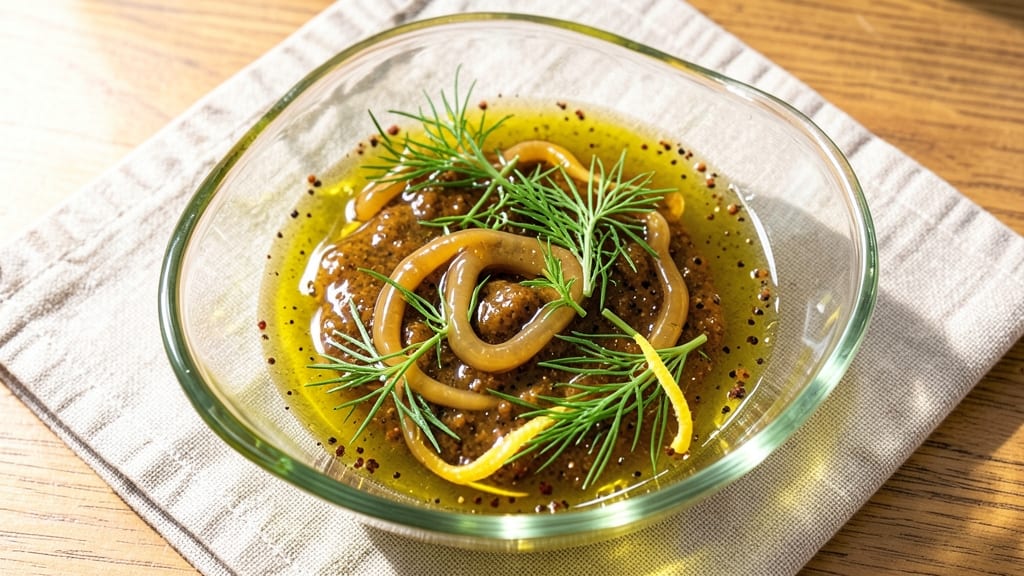
This candida-friendly salad dressing recipe transforms simple greens into a vibrant, zesty experience without triggering dietary sensitivities. The oil blend—rich in healthy fats—creates a silky texture that coats every bite perfectly, while citrus and honey add a bright, balanced sweetness.
I developed this recipe after realizing how often store-bought dressings disrupted my balance, so I focused on clean, gut-friendly ingredients that still deliver bold flavor.
The secret lies in the emulsification: a touch of Dijon mustard binds the oil and acid, preventing separation while adding subtle depth.
You’ll need just five core ingredients—extra virgin olive oil, apple cider vinegar, lemon juice, raw honey, and fresh herbs—but the result is a dressing so versatile it elevates everything from kale salads to grilled chicken. The honey isn’t just for sweetness; it supports gut health while complementing the tangy acidity.
What makes this dressing truly special is its adaptability. Use it as-is for a bright, citrus-forward profile, or customize with fresh basil, garlic, or a pinch of sea salt to match your meal.
It keeps for up to a week in the fridge, making it a perfect make-ahead staple for busy weeks. The balance of flavors ensures every drizzle enhances your dish without overpowering it.
For those managing candida, this dressing avoids common triggers like sugar-heavy ingredients or processed oils, yet still delivers restaurant-quality taste. Let’s make it—your salads (and taste buds) will thank you.
Ingredients for candida salad dressing
Five core ingredients blend into a silky, gut-friendly dressing that brightens any salad.
| Ingredient | Amount | Notes |
|---|---|---|
| Extra-Virgin Olive Oil 🫒 | ¾ cup | Cold-pressed, unfiltered preferred |
| Apple Cider Vinegar 🍏 | ¼ cup | Raw, unfiltered for probiotics |
| Fresh Lemon Juice 🍋 | ¼ cup | Strain seeds for clarity |
| Raw Honey 🍯 | 2 tbsp | Local, unprocessed preferred |
| Dijon Mustard 🌶️ | 1 tbsp | High-quality, no additives |
| Fresh Dill Leaves 🌿 | ¼ cup | Chopped, stems removed |
| Sea Salt 🧂 | ½ tsp | Fine grain, unrefined |
| Garlic Cloves 🧄 | 1 whole | Minced, for optional depth |
The olive oil is the foundation—look for extra-virgin with a fruity aroma at stores like Whole Foods or local olive oil shops. Apple cider vinegar should be raw and unfiltered (like Bragg) for probiotic benefits. Fresh lemon juice is non-negotiable—bottled versions lack the zing. For honey, local varieties from farmers markets work best, though store-bought raw honey is fine. Dijon mustard adds emulsification without overpowering—Maille is my go-to, but any high-quality brand works. The fresh dill? Buy it in small bunches and use within 3 days for peak flavor.
No fresh dill? Dried dill at one-third the amount works in a pinch, though fresh is ideal. Short on honey? Maple syrup or agave adds sweetness, though honey’s gut benefits are unmatched. Want extra tang? Add another tablespoon of lemon juice. For garlic lovers, mince 2 cloves instead of 1. The sea salt should be unrefined—Diamond Crystal or Maldon flakes add texture. If your dressing separates, whisk in another teaspoon of Dijon mustard to re-emulsify.
This dressing keeps beautifully for up to 1 week in the fridge, though it tastes freshest within 3 days. Store in a glass jar with a tight seal—the vinegar’s acidity helps preserve it. For longer storage, freeze in ice cube trays, then transfer to a bag. Shake before using. The flavor actually improves overnight as ingredients meld. Double the batch—you’ll want it on everything from greens to roasted veggies.
Why You'll Love This Recipe
- Five-Ingredient Magic: I swear by this combo—just oil, vinegar, lemon, honey, and mustard. No fancy tools, no waiting for herbs to wilt, just shake and go. The raw honey ties everything together while keeping it simple.
- Tangy-Sweet Balance: That first drizzle of apple cider vinegar cuts through greasy salads, but the honey? It softens the bite instantly. The Dijon mustard adds a little kick without overpowering—like a bright, grown-up lemonade.
- Meal Prep Hero: Make a big batch on Sunday and toss it in jars. It stays fresh for days, perfect for quick lunches or when I’m too tired to think. Honestly, it’s my secret for effortless salads all week.
- Budget Brightener: Extra-virgin olive oil isn’t cheap, but a little goes a long way here. The rest of the ingredients? Pantry staples. I’ve used this dressing on everything from simple greens to roasted veggies—no extra cost, just flavor.
Step-by-step instructions for candida-friendly oil blend dressing
This vibrant dressing combines gut-friendly ingredients with bold Mediterranean flavors for a condiment that supports wellness.
Prepare the Base Ingredients
In a medium bowl, measure out the 0.75 cup extra-virgin olive oil—I always recommend cold-pressed, unfiltered for maximum flavor and health benefits. Add the 0.25 cup apple cider vinegar and 0.25 cup fresh lemon juice, both strained to remove any pulp or seeds. The vinegar should be raw and unfiltered to preserve its probiotic properties, which align perfectly with candida-friendly protocols.
Stir these ingredients together gently with a whisk until they're fully combined. You'll notice the mixture immediately starts to emulsify slightly due to the acidity of the vinegar and lemon juice. This preliminary blending ensures all ingredients integrate smoothly in the next steps. The raw honey—2 tablespoons of local, unprocessed variety—goes in next, where its natural enzymes will help stabilize the dressing while adding subtle sweetness.
Incorporate the Mustard and Garlic
Add the 1 tablespoon Dijon mustard and the 1 whole minced garlic clove to the bowl. The Dijon mustard acts as a natural emulsifier, binding the oil and vinegar components together. I like to use high-quality Dijon because it adds a sophisticated depth of flavor without overpowering the other ingredients. The garlic, though optional, provides a subtle aromatic punch that complements the fresh dill perfectly.
Whisk everything together vigorously for about 1 minute until the mixture becomes thick and creamy. You'll see the colors begin to meld beautifully—deep golden from the olive oil, bright green from the lemon juice, and subtle purple hints from the garlic. This is your signal that the emulsification process is working properly. If the dressing appears too thick at this stage, don't worry—it will thin out as we add the remaining ingredients.
Add the Fresh Dill and Season
Now comes the freshest part of the recipe: the 0.25 cup chopped fresh dill leaves. The stems should be removed for a cleaner texture and more vibrant flavor. Add the dill to the bowl and whisk gently to distribute it evenly throughout the dressing. The dill not only adds a bright, herbal note but also contributes to the dressing's visual appeal with its vibrant green color.
Finally, sprinkle in the 0.5 teaspoon fine sea salt and give the mixture one last thorough whisk. The salt should be unrefined to preserve its mineral content, which enhances both the flavor and the gut-supportive properties of the dressing. Taste the mixture at this point—it should be tangy, slightly sweet, and herbaceous with a smooth texture. If you find it needs more balance, you can adjust by adding a touch more honey for sweetness or a splash of lemon juice for acidity.
Rest and Emulsify
Transfer the dressing to a clean, airtight jar or container. Here's where patience pays off: let the dressing rest at room temperature for at least 30 minutes, though I prefer to let it sit overnight. This resting period allows all the flavors to fully meld together and gives the mustard time to work its magic as a natural emulsifier. The longer it rests, the more cohesive and delicious the dressing will become.
After resting, give the dressing one final shake or stir before using. The texture should be silky and well-emulsified, with no separation between the oil and vinegar components. If you do notice any separation after resting, simply shake the jar vigorously for about 10-15 seconds—this dressing is designed to be stable, but sometimes a quick shake is all it needs to come together beautifully. The result is a dressing that's perfect for candida-friendly meals while delivering restaurant-quality flavor.
Pro Tips For Making Candida Salad Dressing
- Whisk in Stages: Start by mixing the Dijon mustard and honey first—this creates a smooth paste that blends better than tossing everything in at once. I used to dump everything in and end up with a clumpy mess, but this method guarantees a silky texture every time.
- Use Raw Honey: Raw honey adds depth and probiotic benefits, but it’s thicker than refined honey. Warm it slightly (just 10 seconds in the microwave) if your dressing seems too stiff—this helps it incorporate without altering the flavor.
- Balance the Vinegar: Apple cider vinegar is strong, so taste as you go. If it’s too sharp, add a splash of lemon juice (about ½ teaspoon at a time) to soften the acidity. I’ve ruined batches by assuming the recipe would balance itself—don’t skip this step.
- Emulsify with Oil Slowly: Drizzle the olive oil in a thin, steady stream while whisking vigorously. Stopping midway to stir the bowl just breaks the emulsion—keep that arm moving until the last drop is added. Sounds tedious, but it’s the only way to avoid separation.
Serving suggestions for leftovers
Salad Pairings
This dressing shines on bitter greens like arugula or radicchio, where its honeyed sweetness balances the peppery bite. I love it on mixed baby greens with sliced apples and walnuts for a candida-friendly twist.
For heartier salads, try it with roasted Brussels sprouts or shaved fennel—the citrus brightens their earthy flavors beautifully. 🥗
Protein Pairings
Drizzle over grilled chicken breast or salmon fillets to add moisture and flavor without heavy sauces. It also elevates seared shrimp skewers or tofu bowls with its tangy-sweet profile. For a complete meal, serve with quinoa or farro and roasted vegetables—it ties everything together effortlessly.
Veggie Bowls
Transform simple veggie bowls by using this dressing as a base. Toss steamed broccoli, carrots, and cucumber slices with a spoonful before adding protein. The honey and vinegar create a perfect balance that makes even the simplest bowls taste gourmet.
I often add avocado chunks for creaminess and crunchy sunflower seeds for texture.
Dipping Sauce
Use it as a dip for crudités like celery, bell peppers, or jicama sticks. The dressing’s emulsified texture clings perfectly to veggies, making it ideal for parties or snack time.
For extra flair, serve in a small bowl with a sprinkle of toasted sesame seeds or crumbled feta on the side.
Grain Bowls
Elevate brown rice bowls or cauliflower rice by spooning this dressing over the top. Pair with grilled zucchini, cherry tomatoes, and crumbled goat cheese for a light yet satisfying meal. The dressing’s acidity cuts through the richness of the cheese while enhancing the grains’ natural flavors.
Make-Ahead Tips
Double the batch and store in glass jars for up to 1 week in the fridge. Shake well before using—it’s perfect for meal prep! For longer storage, freeze in ice cube trays and thaw as needed. The dressing actually tastes better after resting, so plan ahead for maximum flavor. 💫
Nutrition facts
Frequently asked questions
Can I make this dressing without honey for a lower-sugar option?
Yes! Replace the 2 tablespoons honey with 1 tablespoon maple syrup or 1.5 tablespoons coconut sugar dissolved in warm water—both work well while reducing sugar content. For a completely sugar-free version, omit the honey entirely and increase lemon juice to 3 tablespoons to balance the flavors. The dressing will still emulsify beautifully.
Why does my dressing separate after sitting in the fridge?
This happens when the oil and vinegar aren't fully emulsified. Simply shake the jar vigorously for 10-15 seconds before using—this dressing is designed to be stable but sometimes needs a quick re-emulsification. For extra insurance, whisk in another ½ teaspoon Dijon mustard to strengthen the bond between oil and acid.
What herbs can I substitute for dill?
Fresh dill is ideal, but you can swap it for 1 tablespoon chopped parsley (milder) or 1 teaspoon dried dill (use half the amount). For a different flavor profile, try ½ teaspoon dried oregano or 1 tablespoon finely chopped basil. Each herb will change the dressing's character—parsley adds brightness, while oregano brings earthy depth.
Is this dressing safe for those with nut allergies?
This recipe contains no nuts or nut-derived ingredients. The olive oil is nut-free, and all other components (vinegar, honey, mustard, etc.) are safe for nut allergies. Always double-check labels on commercial ingredients like Dijon mustard or honey to ensure they're processed in nut-free facilities if severe allergies are a concern.
Can I use this dressing on cooked proteins like chicken or fish?
Yes, it’s perfect for enhancing cooked proteins! Drizzle over grilled chicken breast or baked salmon while still warm to create a flavorful glaze. The dressing’s emulsified texture clings beautifully, adding moisture and depth without overpowering the protein. For extra richness, toss with toasted almonds or pumpkin seeds after drizzling.