
Salads
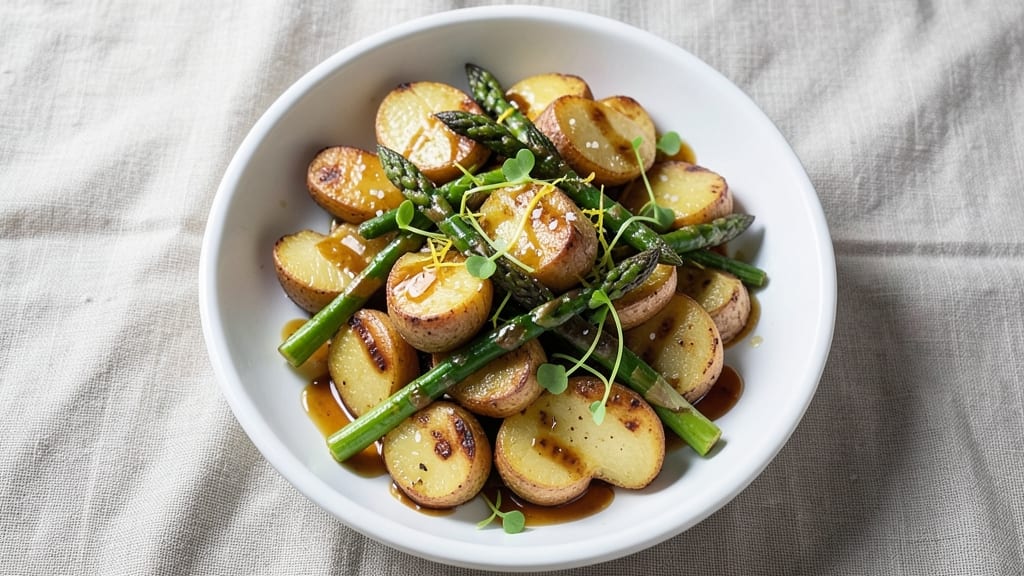
This asparagus and potato salad recipe transforms humble ingredients into a crisp-topped, herb-fresh masterpiece in just 30 minutes. My grandmother used to make something similar, though her version required more intuition than measurement—something I've refined into a foolproof method.
The secret lies in the crispy potato tops and bright herbs that elevate every bite, making it perfect for spring gatherings or a light weeknight supper.
The beauty of this salad is its balance: tender potatoes hold their shape while absorbing the dressing, and asparagus stays crisp with just the right amount of al dente.
I use a simple lemon-vinaigrette base that brightens the earthy flavors, but the real magic happens when you toast the potatoes until golden and crispy—that crunch is worth every extra minute. The herbs add freshness that cuts through the richness, making this dish feel both comforting and refined.
What makes this recipe stand out is how it comes together without fuss. You'll start with boiling potatoes and blanching asparagus, then toss everything with a dressing that's tangy, herby, and just sweet enough.
The final step—topping with crispy potato slices and fresh herbs—transforms a simple salad into something restaurant-worthy. It's the kind of dish that tastes even better the next day, making it ideal for meal prep.
Serve this salad warm or at room temperature, and don't skip the garnish—those crispy potato tops and bright herbs make all the difference. Whether you're hosting a spring brunch or just craving something fresh and satisfying, this recipe delivers. Let's get started!
Ingredients for asparagus and potato salad
Crispy potato tops and bright herbs transform simple ingredients into spring's finest salad masterpiece.
| Ingredient | Amount | Notes |
|---|---|---|
| Yukon Gold Potatoes 🥔 | 1 ½ lb | Medium-sized, halved lengthwise |
| Fresh Asparagus 🌱 | 1 lb | Medium spears, trimmed |
| Extra-Virgin Olive Oil 🫒 | ½ cup | For roasting potatoes |
| Fresh Lemon Juice 🍋 | ¼ cup | Freshly squeezed |
| Dijon Mustard 🌶️ | 1 tbsp | For dressing tang |
| Maple Syrup 🍯 | 1 tbsp | For subtle sweetness |
| Fresh Chives 🌿 | ¼ cup | Finely chopped |
| Fresh Dill 🌿 | ¼ cup | Chopped, stems removed |
| Fresh Parsley 🌿 | ¼ cup | Chopped, flat-leaf preferred |
| Salt 🧂 | 1 ½ tsp | Diamond Crystal kosher |
| Black Pepper 🌶️ | ½ tsp | Freshly ground |
| Garlic Cloves 🧄 | 3 cloves | Minced for dressing |
| Red Wine Vinegar 🍷 | 1 tbsp | For dressing acidity |
Yukon Gold potatoes are the star here—their buttery texture holds up perfectly when roasted. Whole Foods or Trader Joe's always have them in stock, and their waxy texture means they won't turn to mush. Fresh asparagus should be bright green with tightly closed tips—avoid anything woody or yellowing. For the herbs, grab fresh bundles (not dried) from the store's produce section, and give them a quick rinse before using. The key to crispy potato tops is using medium-sized potatoes—small ones won't have enough surface area, and large ones will be too dense to crisp properly.
No Yukon Golds? Russet potatoes work too, but they'll be starchier. The dressing can handle substitutions—swap maple syrup for honey (though this isn't vegan) or agave for a plant-based option. For the herbs, dried dill or parsley at one-third the amount will get you close, but fresh is ideal. Running low on red wine vinegar? Apple cider vinegar works just as well. The garlic can be roasted for a sweeter flavor—just toss the minced cloves with a drizzle of olive oil and roast at 400°F for 8-10 minutes before adding to the dressing. Trust me, it's worth the extra step.
Potatoes and asparagus keep best in the fridge for 3-4 days—store them separately to prevent moisture transfer. The dressing can be made a day ahead and stored in a sealed jar, but add the fresh herbs just before serving. For meal prep, assemble the salad (without the crispy tops) and store it in an airtight container. Add the crispy potato slices and fresh herbs right before serving to keep everything fresh. This salad actually tastes better the next day as the flavors meld together—perfect for making ahead for gatherings.
Why You'll Love This Recipe
- Zero-Fuss Roasting: I swear, the potatoes and asparagus go in one pan, get tossed with olive oil, and roast while you sip your morning coffee. No peeling, no boiling—just crispy edges and tender centers that take zero effort to achieve.
- Bright & Tangy Magic: That lemon juice and Dijon mustard dressing? It’s the secret weapon here. The acid cuts through the richness of the Yukon Golds, while the mustard adds a deep, savory kick that makes every bite taste like a fresh spring day.
- Packable Picnic Hero: Between us, this is my go-to for potlucks, tailgates, or lazy Sunday brunches. The asparagus stays crisp, the potatoes hold their shape, and it travels perfectly—no soggy salads here, just flavor in every bite.
- Budget-Friendly Luxe: Yukon Golds and fresh asparagus might sound fancy, but they stretch further than you’d think. A single roasted tray feeds four, and leftovers? Even better cold the next day—proof that "nice" food doesn’t have to break the bank.
Step-by-step instructions for crisp-topped herb potato and asparagus salad
Here's how to transform simple ingredients into a vibrant, restaurant-worthy salad with perfect textures.
Roast the Potatoes for Crispy Edges
Preheat your oven to 425°F and line a large baking sheet with parchment paper. Toss the 1.5 lb halved Yukon Gold potatoes with 0.25 cup extra-virgin olive oil, 0.75 tsp salt, and 0.25 tsp black pepper until evenly coated. Arrange them cut-side down on the baking sheet in a single layer.
Roast for 25-30 minutes until the edges are deep golden brown and the potatoes are tender when pierced with a fork. I like to flip them halfway through cooking for even browning. The high heat creates that perfect crispy exterior while keeping the insides creamy—this is what makes this salad stand out from your basic boiled potato salads.
Roast the Asparagus Until Charred
While the potatoes roast, toss the 1 lb trimmed asparagus spears with the remaining 0.25 cup extra-virgin olive oil, 0.75 tsp salt, and 0.25 tsp black pepper. Arrange them on the same baking sheet, leaving space between spears for even cooking.
Return to the oven and roast for 12-15 minutes until the asparagus is tender and develops charred tips. You'll know it's done when they easily bend at the base but still hold their shape. The char adds a smoky depth that pairs perfectly with the bright herb dressing we'll make next.
Whisk Together the Herb Dressing
In a medium bowl, combine the 0.25 cup fresh lemon juice, 1 tbsp Dijon mustard, 1 tbsp maple syrup, 1 tbsp red wine vinegar, and 3 minced garlic cloves. Whisk vigorously until smooth and emulsified. This base creates the perfect balance of tangy, sweet, and savory flavors.
Gradually drizzle in the remaining 0.25 cup extra-virgin olive oil while continuing to whisk. The dressing should thicken slightly but still coat the back of a spoon. Taste and adjust seasoning with additional salt or pepper if needed—this is your flavor foundation, so don't be shy about tasting as you go.
Combine and Toss with Fresh Herbs
Let the roasted potatoes and asparagus cool slightly for 5 minutes before transferring them to a large mixing bowl. Add the herb dressing and gently toss everything together until the vegetables are evenly coated. The residual heat will help the dressing cling beautifully.
Stir in the 0.25 cup chopped fresh chives, 0.25 cup chopped fresh dill, and 0.25 cup chopped fresh parsley. These herbs add layers of flavor and a fresh pop of color that makes this salad visually stunning. Taste again and adjust seasoning if needed—sometimes the herbs need a little more salt to really shine.
Chill and Serve for Maximum Freshness
Cover the salad and refrigerate for at least 30 minutes (or up to 4 hours) to let the flavors meld together. This chilling time is crucial—it allows the potatoes to absorb the dressing fully and the asparagus to develop its full flavor complexity.
When ready to serve, give it one final toss and adjust the seasoning if needed. The salad should be vibrant, with crispy potato edges, tender asparagus, and a bright herb dressing that ties everything together. This isn't your grandmother's potato salad—it's a fresh, herb-forward dish that works as a main course or elegant side.
Pro Tips For Making Asparagus And Potato Salad
- Boil Potatoes Twice: First cook them in their skins until just fork-tender (about 10 minutes), then peel and plunge back into boiling water for 30 seconds. This guarantees creamy texture without turning them gluey—no one wants sad, gummy potatoes in their salad.
- Trim Asparagus Right: Snap the stalks at a natural break where the core sounds hollow (about 1.5 inches from the bottom). Skip the knife—this keeps the tips intact and saves time. If you’re using thick spears, halve them lengthwise so they cook evenly.
- Salt the Water Hard: Toss in 2 tablespoons of salt per gallon of water when boiling potatoes and asparagus. The flavor seeps in better than you’d think, and it prevents blandness later—especially important since this salad relies on bright lemon and mustard.
- Dress It Warm: Toss the salad with the warm dressing (not hot, but not cold) right after cooking. The heat helps the olive oil emulsify with the lemon and mustard, making the dressing cling to every potato and asparagus strand—no sad, oily separation later.
Best sauces and condiments for asparagus and potato salad
Classic Lemon Vinaigrette
This bright, tangy dressing is the heart of your salad, balancing the earthy potatoes and asparagus beautifully. I use 0.25 cup fresh lemon juice, 1 tbsp Dijon mustard, 1 tbsp maple syrup, and 1 tbsp red wine vinegar for a perfect harmony of sweet, tangy, and savory.
The key is whisking vigorously while gradually adding 0.25 cup extra-virgin olive oil—this creates a silky emulsion that coats every bite. For extra depth, I add 3 minced garlic cloves and a pinch of freshly ground black pepper.
This dressing keeps well for 3-4 days in the fridge, so make extra for other salads! 🍋
Creamy Garlic Yogurt Dressing
If you prefer a creamier texture, swap the vinaigrette for a rich garlic yogurt dressing. Mix 0.5 cup plain Greek yogurt with 2 tbsp sour cream, 1 tbsp fresh lemon juice, 1 minced garlic clove, 1 tsp Dijon mustard, and 1 tsp honey.
This version adds a velvety contrast to the crispy potato tops and tender asparagus. I like to fold it into the salad just before serving to prevent sogginess. For extra flair, top with toasted pine nuts or slivered almonds for crunch. 🥛
Herb-Infused Olive Oil
For a lighter, more aromatic touch, infuse olive oil with fresh herbs. Heat 0.5 cup extra-virgin olive oil in a small saucepan over low heat with 2 tbsp chopped fresh dill, 2 tbsp chopped fresh parsley, and 1 tbsp chopped fresh chives.
Let it simmer for 3-4 minutes until fragrant, then strain out the herbs. Drizzle this infused oil over the salad just before serving—it adds a fragrant, herbal note that complements the roasted vegetables perfectly. Store any leftover infused oil in the fridge for up to 5 days. 🌿
Mustard-Honey Vinaigrette
This variation adds a touch of sweetness that pairs wonderfully with the asparagus. Whisk together 0.25 cup extra-virgin olive oil, 2 tbsp Dijon mustard, 2 tbsp honey, 1 tbsp apple cider vinegar, 1 tsp fresh lemon juice, and 1 tsp minced garlic.
The honey balances the acidity of the vinegar, creating a dressing that's both tangy and slightly sweet. This works especially well if you prefer a milder flavor profile. For extra depth, add ½ tsp smoked paprika to the dressing for a subtle smoky note. 🍯
Creamy Avocado Dressing
A creamy avocado dressing adds a luxurious touch to this salad. Blend 1 ripe avocado, 0.25 cup Greek yogurt, 2 tbsp fresh lime juice, 1 tbsp chopped fresh cilantro, 1 tsp honey, and salt to taste until smooth.
This dressing is rich and velvety, perfect for those who love a creamy texture. It's best used immediately, as avocado can oxidize quickly. For a vegan option, substitute the yogurt with silken tofu or cashew cream. 🥑
Spicy Harissa Dressing
For a bold, spicy kick, try a harissa-infused dressing. Mix 0.25 cup extra-virgin olive oil, 2 tbsp harissa paste, 1 tbsp lemon juice, 1 tsp maple syrup, and 1 minced garlic clove.
Adjust the harissa to taste—start with 1 tbsp and add more if you love heat. This dressing adds a smoky, spicy depth that pairs surprisingly well with the asparagus and potatoes. Serve with a sprinkle of crumbled feta or goat cheese for extra creaminess. 🌶️
Nutrition facts
Frequently asked questions
Can I make this salad ahead of time?
Assemble the salad (without the crispy potato tops) up to 2 days ahead and store it in an airtight container. The flavors actually improve overnight as the dressing infuses the potatoes and asparagus. Just add the crispy potato slices and fresh herbs right before serving to keep everything fresh and crunchy.
Why are the potatoes still mushy after roasting?
This usually happens when potatoes aren't cut evenly or roasted at too low a temperature. Use medium-sized Yukon Gold potatoes cut into even halves and roast at 425°F for 25-30 minutes. Flip them halfway through cooking to ensure even browning. If they're still underdone, return them to the oven for another 5-10 minutes.
Can I substitute boiled potatoes for roasted?
You can try, but the texture won't be the same. Boiled potatoes absorb more dressing and lose their crispy edges. If you must, boil them until tender (12-15 minutes), then pat dry thoroughly before adding to the salad. For best results, stick with roasting—it's what gives this salad its signature crunch and depth of flavor.
What's the best way to store leftovers?
Store leftovers in an airtight container in the fridge for up to 3 days. Keep the crispy potato tops separate until serving, and add fresh herbs just before eating. The salad keeps well without the toppings, but the texture will be best if you reheat the potatoes briefly in a 350°F oven for 5-10 minutes before serving again.
Is this salad suitable for a vegan diet?
Mostly, but with a few adjustments. The original recipe uses honey and yogurt in some dressing variations, so swap honey for maple syrup and use vegan yogurt or cashew cream. The base recipe (with lemon vinaigrette) is already vegan-friendly—just ensure your olive oil and herbs are certified vegan if needed.