
Salads
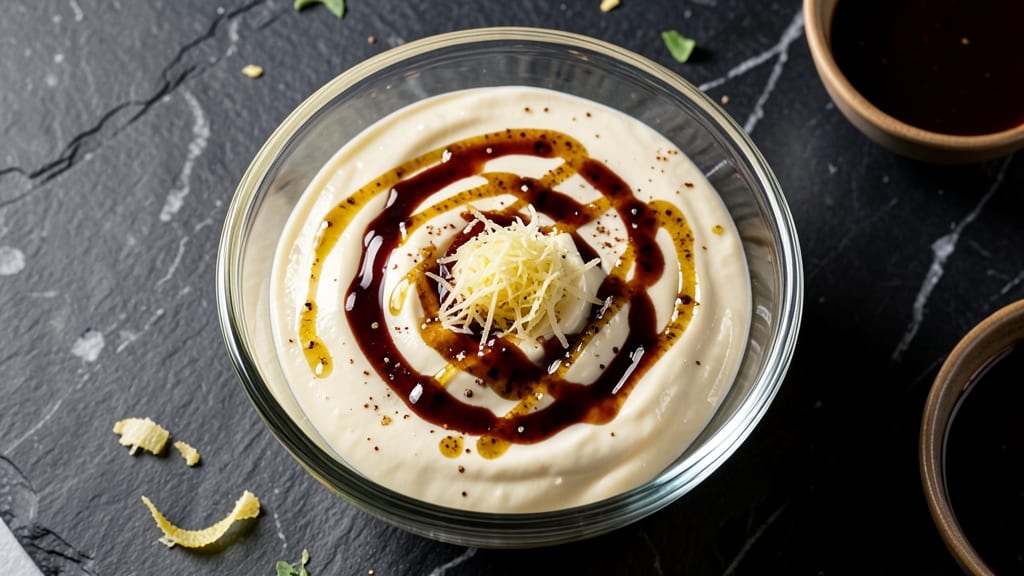
This Asian Caesar salad dressing recipe transforms classic Caesar flavors with an umami-packed, creamy twist that balances tangy anchovies, rich mayo, and nutty sesame oil.
The secret lies in blending traditional Caesar elements with bold Asian ingredients like soy sauce and ginger, creating a dressing that elevates any salad from ordinary to extraordinary.
With just 10 minutes of prep, you’ll have a velvety sauce that clings perfectly to greens or protein-based salads, delivering a harmonious fusion of creamy, tangy, and aromatic notes.
The magic happens when you combine creamy mayo with a touch of Dijon mustard for depth, then brighten it with rice vinegar and a splash of soy sauce for that signature umami kick.
A pinch of ginger and a drizzle of toasted sesame oil add layers of complexity, while a sprinkle of garlic and sesame seeds ties everything together. This dressing isn’t just creamy—it’s rich, balanced, and packed with flavor that lingers long after the first bite.
What sets this dressing apart is its versatility. Drizzle it over crisp romaine for an Asian-inspired Caesar salad, toss it with grilled chicken or shrimp for extra zing, or use it as a dip for spring rolls.
The creamy texture remains stable even when chilled, making it perfect for meal prep. Whether you’re hosting a dinner party or simply craving a flavorful twist on a classic, this dressing delivers restaurant-quality results with minimal effort.
Store any leftovers in an airtight container in the refrigerator for up to 5 days, shaking gently before each use to redistribute the ingredients. The flavors actually deepen over time, making it even more irresistible. Ready to elevate your salads? Let’s make this dressing—your taste buds will thank you.
Ingredients for asian caesar salad dressing
Creamy mayo meets bold Asian flavors—just ten ingredients for a dressing that’s anything but ordinary.
| Ingredient | Amount | Notes |
|---|---|---|
| Mayonnaise 🥫 | ½ cup | High-quality, full-fat preferred |
| Dijon Mustard 🌶️ | 2 tbsp | For depth and tang |
| Rice Vinegar 🍶 | 2 tbsp | White or seasoned variety |
| Soy Sauce 🍶 | 1 ½ tbsp | Light or dark preferred |
| Toasted Sesame Oil 🫒 | 1 tbsp | For nutty aroma |
| Fresh Ginger 🌿 | 1 tbsp | Finely grated, fresh preferred |
| Garlic Cloves 🧄 | 2 cloves | Minced or finely chopped |
| Sesame Seeds 🌰 | 1 tbsp | Toasted for extra crunch |
| Anchovy Fillets 🐟 | 2 whole | Finely chopped, optional |
| Salt 🧂 | ½ tsp | Kosher or sea salt |
The mayo is your base, so grab the full-fat kind—it keeps the dressing rich and stable. Hellmann’s or Best Foods are reliable, but any good-quality mayo works. For the sesame oil, Kadoya or La Choy are my go-tos—they’ve got that deep, toasted flavor. Ginger and garlic? Fresh is non-negotiable here—they’re the heart of the dressing. If you’re using anchovies, look for the tiny fillets in oil—they dissolve perfectly and add that signature umami punch. Pro tip: Toast your sesame seeds in a dry pan for 30 seconds—they’ll smell amazing and add crunch.
No anchovies? Skip them or swap for 1 tbsp soy sauce—it’s all about that umami. Short on sesame oil? Avocado oil or peanut oil works in a pinch, but the flavor won’t be quite the same. Dijon mustard can be swapped for whole-grain mustard if that’s what you’ve got. The rice vinegar? Substitute apple cider vinegar if needed, but the dressing will taste slightly different. For a smoother texture, strain the dressing after mixing—especially if you’re using finely chopped garlic or ginger. And if you’re worried about the dressing separating, add 1 tsp of honey or maple syrup to help emulsify it.
This dressing keeps like a dream. Store it in an airtight jar in the fridge for up to 5 days, and trust me, it gets even better as the flavors meld. Shake it gently before each use—it’ll clump up a bit, but a quick shake brings it back to velvety perfection. Make a double batch if you can—it disappears fast. The anchovies, if used, will dissolve completely, so no need to strain them out unless you’re sensitive to texture. Freezing isn’t recommended, but if you must, use it within 1 month—the texture might break down slightly.
Why You'll Love This Recipe
- I’ll be real: this costs nothing to make. A few tablespoons of mayo, a dash of vinegar, and a tiny bottle of sesame oil stretch into gallons of dressing. It’s my secret for fancy flavors without the grocery bill.
- Pantry Magic: I swear by this dressing because it uses stuff I already have—no special trips to the store. That creamy mayo, tangy rice vinegar, and a splash of soy sauce? They’re the unsung heroes of my fridge, and together, they make something way better than store-bought.
- Umami Bomb: Honestly, the combo of soy sauce and toasted sesame oil is a flavor explosion. It’s rich, nutty, and just salty enough to make your taste buds do a happy dance—no fancy ingredients, just pure, addictive taste.
- Dressing for Days: Between us, this stuff lasts forever in the fridge. I make a big batch on Sundays, and it’s still good for salads, dipping spring rolls, or even a quick noodle bowl by Wednesday. Minimal effort, maximum versatility.
Step-by-step instructions for Asian Caesar salad dressing
This umami-packed dressing delivers a creamy, nutty twist on the classic Caesar.
Combine the Base Ingredients
In a medium bowl, whisk together the 0.5 cup mayonnaise and 2 tbsp Dijon mustard until completely smooth. This creates a rich, velvety foundation for your dressing. I like to use a fork for this step—it gives me more control than a whisk when combining thick ingredients. Add the 2 tbsp rice vinegar and 1.5 tbsp soy sauce next, whisking continuously until everything is evenly incorporated.
Here's the thing—don't rush this mixing. You want to break down any lumps from the mustard and fully emulsify the mayonnaise. The dressing should look uniform and slightly thickened at this stage. If you notice any streaks of mustard remaining, keep whisking for another 30 seconds. This step ensures your dressing will be silky smooth rather than grainy.
Add the Aromatics and Anchovies
Finely grate the 1 tbsp fresh ginger and mince the 2 cloves garlic as small as possible. Add these to the bowl along with the 2 whole anchovy fillets (finely chopped if using). I find that using a microplane for the ginger gives the best texture—it creates tiny particles that distribute evenly without making the dressing too thick.
Whisk everything together until the anchovies dissolve completely. You'll notice the mixture darkens slightly from the soy sauce and anchovies, which is perfect—it's building that deep umami flavor we're after. If you're concerned about the anchovies being too fishy, don't worry; the creamy elements will balance it out beautifully. This is where the dressing starts to develop its signature Asian-inspired complexity.
Incorporate the Toasted Sesame Oil and Final Touches
Drizzle in the 1 tbsp toasted sesame oil while whisking continuously. The oil will initially separate, but keep whisking vigorously for about 1 minute—you want it to fully emulsify into the dressing. This is the moment that matters: the sesame oil carries that nutty aroma that sets this dressing apart from traditional Caesar.
Add the 0.5 tsp salt and give everything one final whisk to combine. Taste and adjust seasoning if needed—you might want to add a touch more soy sauce for saltiness or rice vinegar for acidity. The dressing should be creamy but still pourable, with a perfect balance of tangy, umami, and nutty flavors. If it's too thick, add 1 tsp water at a time until you reach the ideal consistency.
Toast the Sesame Seeds and Finish
While your dressing rests, toast the 1 tbsp sesame seeds in a dry skillet over medium heat for 2-3 minutes, shaking frequently, until they're golden brown and fragrant. This adds an important textural element to your dressing—those toasted seeds will give each bite a delightful crunch.
Sprinkle the toasted sesame seeds over the dressing just before serving. The seeds should be warm when they hit the dressing, which enhances their aroma and makes them more flavorful. Give everything one final stir before using. This dressing is best made fresh, so use it immediately or store it in the refrigerator for up to 5 days, giving it a good shake before each use to redistribute the sesame seeds.
Pro Tips For Making Asian Caesar Salad Dressing
- Whisk in stages: Start by mixing mayo and Dijon—this keeps the texture smooth. Then slowly drizzle in vinegar and soy sauce, or you’ll end up with a gloppy mess. I learned this the hard way after making a batch that looked like it needed a blender.
- Toast that oil: Heat your sesame oil low and slow—just until it shimmers and smells nutty. Pouring it straight from the bottle means you’ll miss its full flavor. (Yes, even if you’re impatient like me.)
- Balance the soy: Add soy sauce one teaspoon at a time—too much and your dressing turns salty fast. Taste as you go; it’s easier to fix than starting over. I skip this step sometimes, but the dish is noticeably better when I don’t.
- Chill before serving: Let the dressing sit in the fridge for 10 minutes after mixing. The flavors meld, and the texture thickens just enough to cling to greens. I used to serve it immediately—big mistake.
Regional styles of this recipe
Japanese-Inspired Shoyu Caesar
This variation swaps traditional Worcestershire for 1 tbsp light soy sauce and adds 1 tsp mirin to the base recipe. The result? A delicate balance of sweetness and umami that pairs perfectly with shredded nori strips (about 1 tsp) for a seaweed crunch.
I love using this on mixed greens with thinly sliced cucumber and edamame—it’s like a sushi bowl salad. 🌿
Thai-Inspired Chili-Lime Twist
For a spicy kick, blend 1 tbsp Thai fish sauce (like Red Boat) and 1 tbsp lime juice into the dressing after mixing. Add ½ tsp chili flakes and 1 tsp honey to balance the heat.
This version works amazingly with grilled shrimp or chicken skewers—the lime brightens the creamy base while the fish sauce deepens the umami. Garnish with crushed peanuts for texture. 🌶️
Korean Gochujang Caesar
Replace the anchovies with 1 tbsp gochujang paste (like Maesil) and swap soy sauce for 1 tbsp doenjang (fermented soybean paste). The result is a slightly spicy, fermented depth that’s perfect for bulgogi beef or kimchi in your salad.
Finish with toasted sesame seeds and a drizzle of sesame oil, and you’ve got a dressing that’s equal parts creamy and bold. 🔥
Vietnamese Nuoc Cham Fusion
This version ditches the mayo for a lighter, tangier dressing by blending ¼ cup coconut milk with 1 tbsp fish sauce, 1 tbsp lime juice, and 1 tsp sugar. Stir in 1 tsp toasted sesame oil and 1 tsp rice vinegar from the original recipe.
It’s perfect for rice paper rolls or fresh summer rolls—the coconut milk keeps it creamy without heaviness. 🥥
Chinese Five-Spice Caesar
Infuse the dressing with ½ tsp Chinese five-spice powder (toasted in the sesame oil first) for a warm, aromatic twist. Add 1 tsp honey and ½ tsp grated fresh ginger for sweetness.
This works beautifully with char siu pork or roasted duck in your salad—it’s like a fusion of Caesar and Peking duck flavors. 🥢
Filipino Adobo-Inspired
Swap the soy sauce for 2 tbsp adobo sauce (like Silver Swan) and add ½ tsp black pepper and 1 tsp vinegar for tang. The dressing gains a smoky, slightly sweet depth that pairs perfectly with grilled chicken or calamari.
Top with crushed pork cracklings for extra crunch and texture. 🍗
Nutrition facts
Frequently asked questions
Can I make this Asian Caesar dressing without anchovies?
Skip the anchovies or replace them with an extra 1 tbsp soy sauce for umami depth. The creamy mayo and sesame oil will still provide that rich base, while the ginger and garlic maintain the aromatic profile. For extra flavor, add a pinch of fish sauce or miso paste—both work beautifully.
How long does this dressing keep in the fridge?
This dressing stays fresh for up to 5 days when stored in an airtight container. The flavors actually deepen over time, becoming even more complex. Give it a good shake before each use—it may separate slightly, but whisking brings it back to its velvety texture. For best results, use within 3 days for maximum freshness.
Can I use this dressing on non-salad dishes?
Definitely! This creamy, umami-packed dressing works wonderfully as a dipping sauce for spring rolls, grilled shrimp skewers, or even crudité sticks. It also makes an excellent marinade for proteins like chicken or tofu—just coat and let sit for 20-30 minutes before cooking. The sesame seeds add great texture to any dish.
Why did my dressing separate? How do I fix it?
Separation happens when ingredients aren't fully emulsified. Whisk vigorously for 1 minute to restore creaminess, or add 1 tsp water or 1 tsp honey at a time while whisking. For stubborn separation, blend with 1 tbsp mayo to help re-emulsify. Always store it in an airtight container to prevent future separation.
What's the best way to adjust the spice level?
For more heat, add ½ tsp chili flakes or a dash of Sriracha. To mellow the flavor, stir in 1 tsp honey or ½ tsp sugar. The ginger and garlic already provide warmth, so adjust gradually—taste as you go! For a smoky depth, add ¼ tsp smoked paprika or a pinch of Chinese five-spice powder.