
Salads
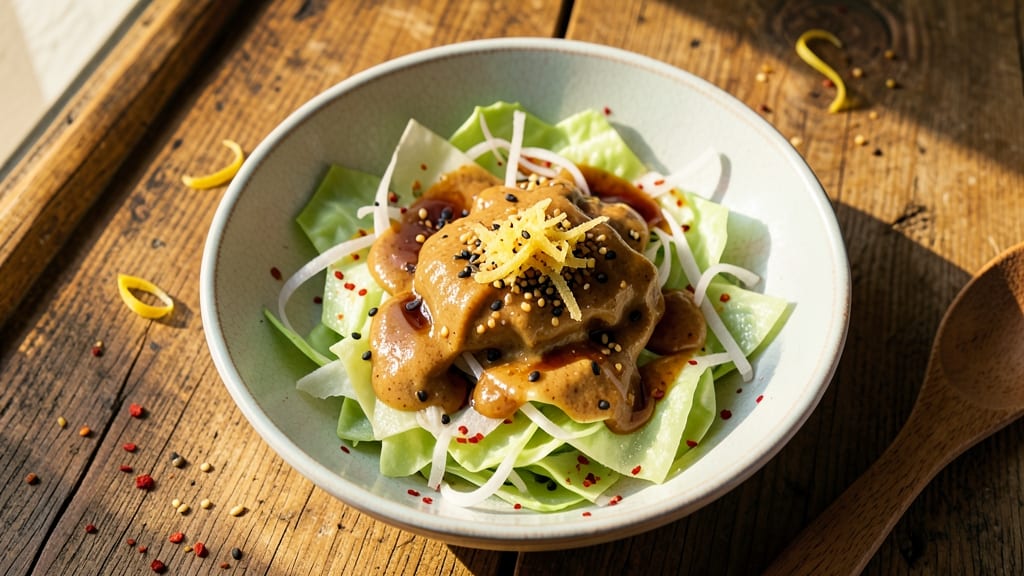
This Asian cabbage salad dressing recipe delivers the perfect balance of sesame-ginger zing to elevate crispy greens into a restaurant-worthy side. The secret lies in a harmonious blend of toasted sesame oil, fresh ginger, and a touch of sweetness that bridges traditional Asian flavors with modern simplicity.
With just five ingredients, you'll create a dressing that transforms ordinary cabbage into a vibrant, flavor-packed dish.
The foundation of this dressing is a tangy base of rice vinegar and soy sauce, brightened with fresh ginger and a hint of honey. Toasted sesame oil adds depth and aroma, while a pinch of red pepper flakes brings just enough heat to complement the crunch of shredded cabbage.
The result is a dressing that's bold yet balanced, with layers of umami, citrus, and spice that cling beautifully to every leaf.
What makes this dressing truly special is its versatility—it works equally well on raw cabbage, steamed greens, or even as a marinade for grilled proteins. The ingredients combine in minutes, requiring only a whisk and a taste adjustment to perfection.
Store any leftovers in an airtight container in the refrigerator for up to five days, where the flavors continue to meld and deepen.
For an extra touch of authenticity, finish with a sprinkle of toasted sesame seeds or chopped scallions before serving. This dressing isn't just a condiment; it's a flavor enhancer that turns simple salads into a standout component of any meal.
Let's get started on creating this zesty, aromatic companion for your favorite greens.
Ingredients for asian cabbage salad dressing
Five ingredients blend into a restaurant-worthy dressing that transforms ordinary cabbage into a vibrant, flavor-packed dish.
| Ingredient | Amount | Notes |
|---|---|---|
| Toasted Sesame Oil 🫒 | ¼ cup | High-quality, nutty aroma |
| Fresh Ginger 🌿 | 1 tbsp | Finely grated, zesty |
| Rice Vinegar 💧 | ⅓ cup | Light, mild flavor |
| Soy Sauce 🍶 | ¼ cup | Light or regular preferred |
| Honey 🍯 | 1 tbsp | Pure, mild variety |
| Red Pepper Flakes 🌶️ | ½ tsp | Adjust for heat preference |
| Sesame Seeds 🥜 | 1 tbsp | Toasted for garnish |
The sesame oil is non-negotiable—Kadoya or La Choy brands deliver that authentic, nutty aroma. Grab fresh ginger from the produce section (the knobby, bumpy kind), and grate it yourself for maximum zing. Rice vinegar should be clear and mild—Kikkoman or Mushroom Town are reliable choices. For soy sauce, light or regular works, but Japanese-style (like Kikkoman) adds subtle depth. Honey should be pure and mild—avoid the overly processed kind that tastes like syrup.
No sesame oil? Toasted peanut oil at half the amount mimics the nutty richness. Fresh ginger too spicy? Ginger powder at one-third the amount works in a pinch. Substitute honey with agave nectar or maple syrup for a vegan option. Short on red pepper flakes? Fresh chili paste or cayenne brings heat. The dressing's balance hinges on these ratios—taste as you go and adjust. For extra authenticity, toast the sesame seeds in a dry pan for 2 minutes before adding to the dressing.
Store any leftovers in a clean, airtight container in the fridge for up to 5 days. The flavors deepen over time, so it's perfect for batching. If you make extra, freeze it in ice cube trays for single-serving portions. Always whisk before using to redistribute the sesame oil. This dressing keeps its vibrant color and zesty punch when stored properly, making it a versatile pantry staple for weeks.
Why You'll Love This Recipe
- Five-Ingredient Magic: I swear by this combo—just a splash of rice vinegar, a glug of toasted sesame oil, and a thumb-sized hunk of ginger. No fancy techniques, no measuring cups (well, almost none), and it’s ready while you’re still debating whether to add the cabbage.
- Umami Bomb: That first drizzle of soy sauce and honey? Instant flavor explosion. The ginger adds a zingy kick, the sesame oil brings nutty warmth, and together they make even the simplest cabbage taste like it belongs in a high-end bento box.
- Meal Prep MVP: Make a double batch—it keeps for days in the fridge, and I toss it over everything from cold noodles to grilled chicken. Honestly, I’ve had it on toast in the morning (don’t judge) and it still works. Versatile like that.
- Budget Brightener: Fresh ginger and cabbage stretch my grocery budget, and this dressing turns them into something special without breaking the bank. Plus, a little goes a long way—one jar of soy sauce lasts me months, and I’m not even exaggerating.
Step-by-step instructions for Asian cabbage salad dressing
This vibrant sesame-ginger dressing brings bold flavor to crisp cabbage salads with minimal effort.
Grate the Fresh Ginger
Use a fine grater or microplane to create 1 tablespoon of finely grated fresh ginger. The texture should resemble wet sand with no visible chunks. I like to press the grated ginger through a fine-mesh sieve to remove any fibrous bits—this ensures a smooth dressing without texture surprises.
Set the grated ginger aside immediately after grating. Fresh ginger releases its oils quickly, and letting it sit too long can make the dressing bitter. The bright, citrusy aroma signals it's ready for the next step. If you're using pre-grated ginger from a jar, give it a quick sniff—it should smell potent and zesty, not dull or vinegary.
Whisk Together the Wet Ingredients
In a small bowl, combine the 0.25 cup toasted sesame oil, 0.33 cup rice vinegar, 0.25 cup soy sauce, 1 tablespoon honey, and the freshly grated ginger. Use a fork to mix initially, then switch to a whisk for 30 seconds until fully emulsified. The mixture should look homogenous with no visible streaks of oil.
This is where the magic happens—the sesame oil and rice vinegar create a delicate balance. If you notice the oil separating, whisk in 1 teaspoon of warm water to help bind the ingredients. The dressing should have a glossy sheen and a fragrant aroma that combines nutty, tangy, and slightly sweet notes. Taste at this stage—it should be bright and balanced, with the ginger's zing cutting through the richness.
Add Red Pepper Flakes and Adjust Seasoning
Sprinkle in the 0.5 teaspoon red pepper flakes and whisk again for 10 seconds to distribute evenly. The flakes should dissolve slightly but still provide visible specks for texture and heat. Taste the dressing again—this is your chance to adjust the seasoning before it's complete.
If the dressing tastes too sharp, add 1 teaspoon more honey to balance the acidity. If it needs more depth, add 1 teaspoon extra soy sauce. The goal is a harmonious blend where the ginger's brightness, sesame's nuttiness, and vinegar's tang all come together without any single flavor overpowering. The red pepper flakes should add a subtle kick without dominating—this is where you can tweak based on your heat preference.
Toast the Sesame Seeds for Garnish
While the dressing rests, dry-toast the 1 tablespoon sesame seeds in a small skillet over medium-low heat for 2-3 minutes. Stir constantly to prevent burning—the seeds should turn a rich golden brown and fill your kitchen with a warm, nutty aroma. Transfer them immediately to a small plate and let cool for 1 minute before using.
Toasted sesame seeds add both texture and visual appeal to the finished dressing. If you don't have time to toast them fresh, you can use store-bought toasted sesame seeds, but they won't have the same depth of flavor. The seeds should be warm when you sprinkle them over the salad—this releases their aromatic oils and enhances the overall experience.
Combine and Serve
Pour the dressing over your prepared cabbage salad just before serving. Toss gently to coat evenly, reserving 2 tablespoons of dressing to drizzle on top. Sprinkle the toasted sesame seeds over the salad and serve immediately. The dressing should cling beautifully to the cabbage, enhancing its natural crunch while adding layers of flavor.
This dressing works best when used fresh, as the flavors meld immediately with the crisp cabbage. If you need to store it, keep it in an airtight container in the refrigerator for up to 5 days. Before using, give it a good stir and taste—you may want to add a splash of water or a pinch of salt to restore its balance. The contrast of cool dressing with fresh, crunchy cabbage makes this salad a refreshing centerpiece for any meal.
Pro Tips For Making Asian Cabbage Salad Dressing
- GRATE THE GINGER FINE: Fresh ginger loses its kick when it’s chunky, and this dressing needs that sharp bite. Use the smallest holes on your grater—or pulse it in a food processor for 2-3 seconds—then let it sit for 5 minutes before mixing. That resting time softens the edges so it blends smoothly without turning your dressing into a spicy muddle.
- WHISK THE SESAME OIL LAST: Toasted sesame oil is potent—add it too early, and you’ll overpower the whole dish. Stir in just ½ teaspoon at the end, then taste and add more if needed. (I’ve ruined a batch by dumping it in first; trust me, you’ll regret it.)
- DILUTE THE SOY SAUCE: Store-bought soy sauce is salty enough to dry out cabbage if you use it straight. Mix 1 tablespoon with 1 teaspoon warm water first—this thins it out and lets the umami shine without making your salad taste like a salt lick.
- SWAP HONEY FOR MAPLE IN WINTER: Honey can crystallize in cold weather, turning your dressing into a grainy disaster. Keep a small jar of pure maple syrup on hand instead—it’s just as sweet, blends instantly, and won’t clump when the temperatures drop. (I learned this after a particularly sticky Thanksgiving salad fiasco.)
Troubleshooting this recipe
Oil Separation Fix
The most common issue with this dressing is oil separation, especially if stored for more than a day. If you notice streaks of sesame oil floating on top, whisk in 1 teaspoon of warm water or 1 teaspoon of rice vinegar to re-emulsify.
For a more permanent solution, store the dressing in a glass jar with the lid sealed tightly—glass preserves the emulsion better than plastic. I also recommend shaking the jar vigorously for 10 seconds before using to restore the dressing's silky texture. 💧
Ginger Bitterness
If your dressing tastes bitter, it’s likely from over-grated ginger or using old ginger root. Always grate fresh ginger and use it immediately—never let it sit for more than 5 minutes before mixing.
For a milder flavor, reduce the ginger to ½ teaspoon or swap it for ¼ teaspoon of ginger powder. If bitterness persists, balance it with an extra ½ teaspoon of honey or a pinch of salt. 🌿
Too Salty or Tangy
This dressing is delicate, so overdoing soy sauce or vinegar can throw off the balance. If it tastes too salty, dilute with 1 teaspoon of water or a splash of honey. For excessive tang, add 1 teaspoon of honey or a pinch of sugar to mellow the acidity.
Taste as you go—small adjustments make all the difference. I once accidentally doubled the soy sauce and had to fix it with extra honey, but now I measure carefully! 🍯
Heat Too Mild
If the red pepper flakes aren’t adding enough heat, increase them by ¼ teaspoon at a time until you reach your desired spice level. For a smokier kick, replace the red pepper flakes with ½ teaspoon of gochujang (Korean chili paste) or a pinch of smoked paprika.
Always whisk well to distribute the heat evenly. Pro tip: Toast the red pepper flakes in a dry pan for 30 seconds before adding to deepen their flavor. 🌶️
Dressing Too Thick
A thick dressing can happen if the ingredients aren’t fully emulsified or if the cabbage absorbs too much. Thin it out with 1 teaspoon of water or a splash of rice vinegar and whisk vigorously.
For a smoother texture, strain the dressing through a fine-mesh sieve to remove any ginger fibers. If the dressing is too thin, let it sit for 10 minutes to thicken naturally—sometimes patience is key! 🥄
Storage Issues
If your dressing develops an off smell or mold after refrigeration, it’s time to toss it. Always store it in an airtight container and use within 5 days for best quality. For longer storage, freeze the dressing in ice cube trays—thaw and whisk before using.
Never freeze with sesame seeds, as they’ll lose their texture and flavor. When in doubt, trust your nose—if it doesn’t smell fresh, don’t risk it! ❄️
Nutrition facts
Frequently asked questions
Can I make this dressing without sesame oil?
Yes! For a nutty alternative, use 1 tablespoon toasted peanut oil or 1 teaspoon extra-virgin olive oil combined with ½ teaspoon peanut butter (whisked in last). The flavor will be slightly different but still delicious. If avoiding all oils, reduce the rice vinegar by 1 tablespoon and add 1 teaspoon of water to maintain balance.
How do I adjust this dressing for spicy vs. mild preferences?
For milder heat, reduce red pepper flakes to ¼ teaspoon or omit them entirely. For extra spice, increase by ¼ teaspoon increments or add ½ teaspoon gochujang (Korean chili paste) for smoky depth. Always whisk well to distribute heat evenly. Pro tip: Toast pepper flakes in a dry pan for 30 seconds before adding to intensify their flavor.
Can I use this dressing on other vegetables besides cabbage?
This dressing works beautifully on shredded carrots, cucumbers, or bean sprouts. For heartier veggies like roasted sweet potatoes or Brussels sprouts, reduce the rice vinegar by 1 tablespoon to prevent overpowering their natural sweetness. The sesame-ginger profile complements both raw and lightly cooked vegetables equally well.
Why did my dressing separate after refrigeration?
Oil separation is normal with sesame oil-based dressings. Whisk in 1 teaspoon warm water or rice vinegar to re-emulsify before using. For long-term storage, keep dressing in a glass jar and shake vigorously for 10 seconds before each use. The emulsion will rebuild naturally. Never store in plastic containers, as they don't preserve the dressing's texture as effectively.
What's the best way to store leftovers for maximum freshness?
Transfer leftovers to an airtight glass container and refrigerate for up to 5 days. The dressing's flavors actually improve slightly as they meld. For longer storage, freeze in ice cube trays (without seeds) and thaw in the fridge. Always whisk before using to restore the silky texture. If you notice any off smells or mold, discard immediately—this dressing doesn't keep well past its prime.