
Sauces & Condiments
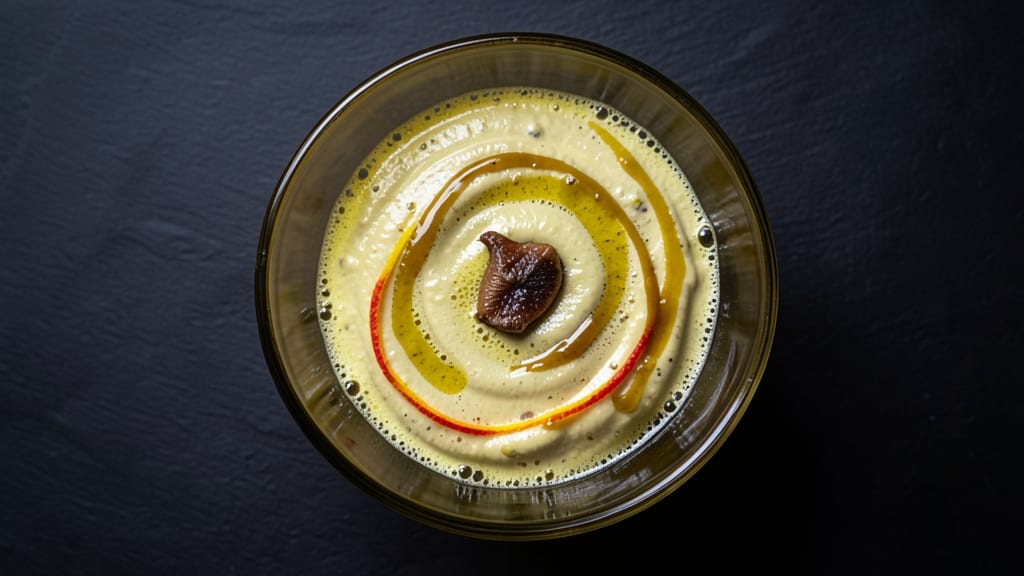
Gordon Ramsay's Caesar salad dressing delivers that signature bold umami punch with a velvety texture that clings to every romaine leaf. The secret lies in balancing tangy anchovies, rich Worcestershire, and sharp Dijon mustard with creamy egg yolks and aged Parmesan.
This isn't your basic bottled version—it's restaurant-quality with a depth of flavor that transforms simple greens into an indulgent experience.
What sets this dressing apart is the proper emulsification technique that creates a silky, stable sauce without breaking. The anchovies and Worcestershire provide that signature savory depth, while the Dijon mustard adds brightness.
I've adjusted the ratios to ensure the dressing stays rich but not overwhelming, with just enough acidity to cut through the creaminess. The result is a dressing that's complex yet balanced, with layers of flavor in every bite.
This recipe delivers a dressing that's creamy yet not heavy, tangy yet not sour, and packed with that unmistakable Caesar flavor. The emulsification process ensures it stays smooth and cohesive, whether you're tossing it with fresh romaine or drizzling it over grilled chicken.
The best part? It keeps well in the fridge for up to a week, so you can make a batch and enjoy it all week long.
Perfect for elevating your Caesar salads, grilled seafood, or even as a bold dipping sauce. The key is patience during the emulsification—don't rush it, and you'll achieve that perfect, velvety texture that defines a great Caesar dressing.
Let's get started on creating this flavor-packed sauce that'll impress even the most discerning palates.
Ingredients for caesar salad dressing recipe gordon ramsay
Nine ingredients transform simple greens into restaurant-quality Caesar magic.
| Ingredient | Amount | Notes |
|---|---|---|
| Anchovy Fillets 🐟 | 4 whole | Canned in oil, drained |
| Extra-Virgin Olive Oil 🫒 | ¾ cup | High-quality, fruity |
| Fresh Lemon Juice 🍋 | ½ cup | Freshly squeezed |
| Dijon Mustard 🌶️ | 2 tbsp | Sharp, not mild |
| Large Egg Yolks 🥚 | 2 whole | Fresh, room temperature |
| Granulated Garlic 🧄 | 1 tsp | Freshly minced preferred |
| Shaved Parmesan Cheese 🧀 | ½ cup | Freshly grated, aged |
| Worcestershire Sauce 🍶 | 1 tbsp | High-quality, anchovy-free |
| Kosher Salt 🧂 | ½ tsp | Fine grain preferred |
Anchovies are the heart of this dressing—Boquerones fillets from Trader Joe's are my go-to for that pure, salty punch. Look for them packed in oil, not saltwater. Fresh lemon juice is non-negotiable here; bottled won't cut through the richness like freshly squeezed. The Dijon mustard adds that signature sharpness—Maille is my favorite, but any good-quality brand works. For the Parmesan, Parmigiano-Reggiano is essential; pre-grated tastes like sawdust. The Worcestershire sauce should be the good stuff—Lea & Perrins is a classic, but Hunt's works too if you're on a budget.
No anchovies? Two teaspoons of fish sauce gets you close, but you'll lose some depth. Short on lemon? Substitute lime juice at the same amount, but the flavor profile shifts slightly. The egg yolks need to be fresh—room temperature is key for proper emulsification. If you're worried about salmonella, pasteurized eggs work just as well. The olive oil should be extra-virgin—cheap oil will make the dressing taste flat. For a vegan version, swap the egg yolks for aquafaba (chickpea brine) or silken tofu blended with a pinch of salt.
This dressing keeps beautifully—up to 7 days in the fridge sealed tightly. For extra stability, add a thin layer of olive oil on top before sealing. The emulsification process makes it naturally thick, but if it separates, just whisk vigorously. It's perfect for Caesar salads, grilled shrimp, or even as a bold dipping sauce for bread. Make a double batch—you'll want it on everything.
Why You'll Love This Recipe
- No Fuss, Big Payoff: I’ll be real—this dressing takes five minutes of actual work. Just mash those anchovies with yolks, mustard, and a splash of lemon, then drizzle in the olive oil. No straining, no whisking until your arm falls off, just good.
- Umami Bomb: That first bite? The anchovies and egg yolks hit like a flavor grenade—salty, rich, and deep. The lemon cuts through the creaminess, and the Dijon mustard adds a little tangy bite. It’s the kind of dressing that makes you pause mid-bite and think, “Wait, why don’t I do this more?”
- Weeknight to Party: Drizzle it over grilled chicken for a dinner that feels fancy. Toss it with romaine for a salad that’s actually worth sharing. Or—here’s the hack—use it as a marinade for steak. Same ingredients, totally different game.
- Pantry Goldmine: You already own everything. Anchovies? Check. Olive oil? Check. Eggs? Check. No last-minute grocery runs, no overpriced specialty jars. And if you make extra? It keeps for days in the fridge—perfect for when you’re too tired to improvise.
Step-by-step instructions for Gordon ramsay's Caesar salad dressing
This isn't your average Caesar dressing—it's bold, briny, and packed with umami flavor. Here's how to make it exactly like Gordon would.
Blend the Anchovies and Garlic for Maximum Flavor
Place the 4 whole anchovy fillets and 1 teaspoon granulated garlic in a small bowl. Using a fork, mash them together until you get a smooth, paste-like consistency. This step is crucial—it releases all the umami goodness from the anchovies and distributes it evenly throughout the dressing. You'll smell that intense, salty aroma, and that's exactly what we want. If you're using canned anchovies in oil, drain them completely before mashing.
I like to do this first because the anchovies and garlic form the flavor base. If you add them later, they won't dissolve properly, and you'll end up with little fishy bits in your dressing. Trust me, this step makes all the difference in achieving that authentic, restaurant-quality taste.
Whisk Together the Wet Ingredients
In a separate bowl, whisk together the 0.75 cup extra-virgin olive oil, 0.5 cup fresh lemon juice, and 2 tablespoons Dijon mustard. Start with the olive oil and lemon juice—this combination creates a beautiful emulsifying base. Then add the Dijon mustard, which helps to balance the richness of the olive oil with a touch of tangy sharpness.
Whisk vigorously for about 1 minute until the mixture is completely smooth and well combined. You're looking for a homogeneous texture—no streaks of oil or lemon juice should remain. This is your emulsifier foundation, and getting it right now ensures your dressing won't separate later. If you're using freshly squeezed lemon juice, strain it first to remove any pulp that could make the dressing grainy.
Incorporate the Anchovy-Garlic Paste and Season
Now, add the anchovy-garlic paste to the wet ingredients and whisk again until fully combined. The mixture will darken slightly and develop that signature briny depth. Next, stir in the 2 whole large egg yolks, 1 tablespoon Worcestershire sauce, and 0.5 teaspoon kosher salt. The egg yolks are what give traditional Caesar dressing its creamy texture, but they also make it slightly richer, so don't skip this step.
Here's the thing—egg yolks can be tricky. If your dressing starts to look too thick or curdled at any point, just add a splash of warm water, 1 teaspoon at a time, and whisk until smooth again. The mixture should be thick but still pourable. If it's too thin, you can adjust it later with a bit more olive oil or Parmesan. Taste as you go and adjust the salt if needed—this is your chance to balance the flavors before adding the cheese.
Fold in the Shaved Parmesan
Gently fold in the 0.5 cup shaved Parmesan cheese using a rubber spatula. Be careful not to overmix—you want to preserve the delicate texture of the shaved cheese. The Parmesan adds a salty, nutty depth that ties everything together. If you're using freshly grated cheese, make sure it's finely shaved or grated so it blends smoothly into the dressing without creating lumps.
At this point, your dressing should look rich, creamy, and slightly thick. If it's too thick, thin it out with a little more lemon juice or warm water. If it's too thin, add a bit more olive oil or a small amount of the shaved Parmesan. The goal is a dressing that coats the back of a spoon but still flows easily. Give it one final taste—it should be tangy, briny, and full of umami flavor with a perfect balance of saltiness and acidity.
Rest and Adjust for Perfect Texture
Let the dressing rest for 10-15 minutes at room temperature. This resting period allows the flavors to meld together and the texture to stabilize. During this time, the egg yolks will fully emulsify with the oil, creating that signature creamy consistency. If you can't wait, you can use it immediately, but resting ensures the best possible result.
After resting, give the dressing one final taste and adjust the seasoning if needed. If it needs more acidity, add a splash of lemon juice. If it needs more salt, add a pinch of kosher salt. If it's too thick, thin it with a bit of warm water or additional lemon juice. If it's too thin, stir in a bit more olive oil or a small amount of Parmesan. Once you're happy with the flavor and texture, your Caesar dressing is ready to elevate any salad from ordinary to extraordinary.
Pro Tips For Making Caesar Salad Dressing Recipe Gordon Ramsay
- Whisk Slowly First: Start with just the yolks, anchovies, and mustard—whisk them vigorously for 30 seconds before adding oil. This emulsifies the fat properly, so you don’t end up with a broken dressing later (yes, I’ve ruined three batches by rushing this).
- Use Cold Yolks: Chill your egg yolks in the fridge for 10 minutes before mixing—room temp yolks can turn grainy when emulsified. I learned this the hard way when my dressing curdled mid-whisking.
- Mince Anchovies Properly: Don’t just chop them—puree the anchovies with a fork first. This dissolves their salt and umami fully, so every bite of dressing tastes rich, not just salty. (Yes, it’s extra work, but it matters.)
- Add Oil Gradually: Drizzle the olive oil in very thin streams while whisking nonstop—no pouring. If you dump it in, the dressing will split, no matter how much you whisk after. Patience here = creamy success.
Serving suggestions for this dish
Salad Base Mastery
Romaine lettuce is the classic choice for Caesar salads, but don't be afraid to experiment. I love using butter lettuce for its tender texture or little gem romaine for a slightly sweeter profile.
For extra heartiness, add 1 cup chopped romaine hearts or shredded cabbage—just 20% of your total greens. Always wash and thoroughly dry your lettuce to prevent a soggy salad. 🥬
Protein Pairings
Grilled chicken breast is the classic Caesar pairing, but I often swap in seared shrimp or crispy prosciutto for variety. For a vegetarian option, try marinated artichoke hearts> or roasted eggplant.
Always cook proteins to 165°F internal temperature and let them rest for 5 minutes before serving. Warm proteins work best with Caesar dressing.
Crunch Elements
Add texture with toasted bread croutons> or crispy fried shallots>. For a healthier option, try toasted pine nuts> or crushed pretzels. I like toasting my croutons in 1 tablespoon olive oil> with ½ teaspoon garlic powder> until golden brown.
Store-bought croutons work too—just check for added salt.
Cheese Variations
While Parmesan> is traditional, try adding shaved pecorino> for a tangier flavor or crumbled feta> for a briny twist. For a creamy texture, fold in ¼ cup ricotta cheese> at the end. Always use freshly grated cheese—pre-shredded varieties contain anti-caking agents that make dressings grainy. 🧀
Presentation Tips
Serve Caesar salads in chilled glass bowls> to highlight the vibrant colors. For an elegant touch, arrange greens in a spiral pattern> and drizzle dressing artistically. Garnish with fresh parsley> or microgreens> for a pop of color.
I like plating proteins separately to maintain crispness. Use white plates> to make the dressing's golden hue stand out.
Make-Ahead Strategy
Prepare the dressing and chop all ingredients 1 day ahead> and store separately in airtight containers. Keep the dressing in the fridge for up to 7 days**>. Just before serving, toss everything together and adjust seasoning if needed.
This method ensures you're always ready for last-minute guests. For croutons, toast them fresh before serving to maintain crispness. ⏰
Nutrition facts
Frequently asked questions
Why does Gordon Ramsay's Caesar dressing taste so different from store-bought?
It comes down to fresh, high-quality ingredients and proper emulsification. Store-bought versions often use powdered cheese, preservatives, and pre-minced garlic, while this recipe relies on freshly shaved Parmesan, whole anchovies, and real egg yolks. The emulsification process creates a velvety texture that bottled dressings can't match.
Can I make this dressing without anchovies?
Yes, but you'll lose some depth. Replace the 4 anchovy fillets with 2 teaspoons fish sauce or 1 tablespoon soy sauce. For a vegetarian option, use 2 teaspoons nutritional yeast plus ½ teaspoon smoked paprika to mimic the umami. The flavor won't be identical, but it'll still be delicious.
What's the secret to getting the dressing perfectly creamy?
Emulsification is key! Start by whisking the egg yolks with the olive oil and lemon juice until fully combined. Add the anchovy paste gradually while whisking continuously. If it starts to curdle, add 1 teaspoon warm water at a time. The resting period (10-15 minutes) lets the emulsion stabilize completely.
How do I fix a dressing that separated?
Don't panic! Whisk vigorously to recombine, then add 1 teaspoon warm water or ½ teaspoon Dijon mustard to help re-emulsify. If it's still too thick, thin with a splash of lemon juice. For future batches, ensure all ingredients are at room temperature before mixing.
Can I use this dressing on things other than salads?
It's fantastic on grilled chicken, seared shrimp, or even as a dip for toasted bread. For pasta, toss with linguine or spaghetti and add extra Parmesan. The bold flavors work well with warm proteins—just avoid using it on acidic ingredients like tomatoes.