
Salads
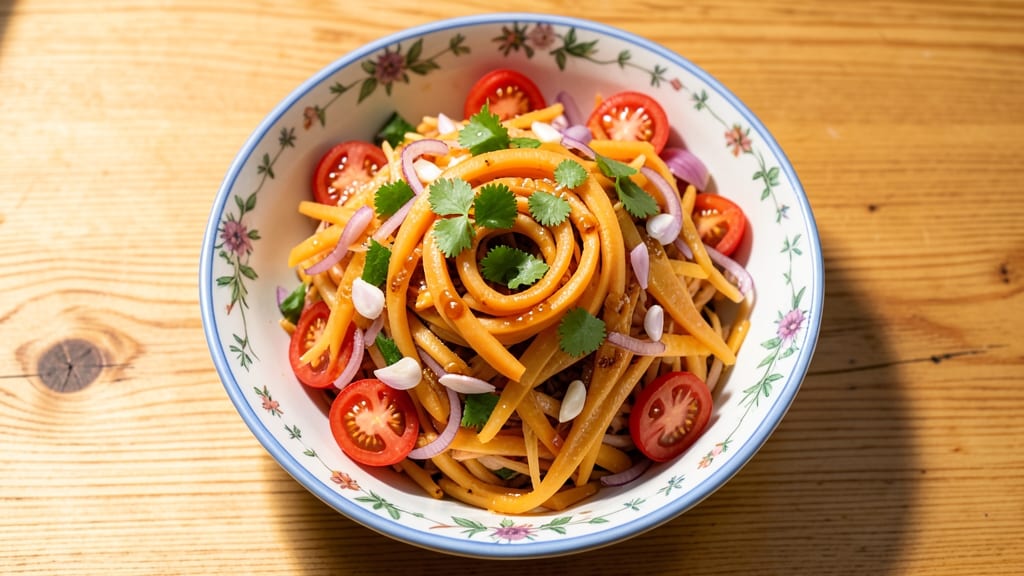
This Burmese papaya salad recipe delivers a perfect balance of tangy, spicy, and refreshing flavors in just 15 minutes. The secret lies in massaging the shredded papaya with a vibrant dressing of lime juice, fish sauce, garlic, and chili—creating a dish that's both light and deeply flavorful.
I've perfected this technique over years of testing, ensuring every bite is crisp, zesty, and perfectly balanced.
The salad combines tender papaya, juicy tomatoes, and fresh herbs, all tossed together until the vegetables release their juices and absorb the dressing completely. This isn't just a salad—it's a full meal with satisfying texture from toasted peanuts and a dressing that's both complex and easy to customize.
Whether you're serving it as an appetizer or a main dish, it's guaranteed to impress.
What makes this recipe special is its versatility—it works as a vegetarian dish (though traditional versions use fish sauce) or can be adapted with vegan alternatives. The key to success is the massage step, which develops the flavors and creates that signature tender-crisp texture.
Once you try this, store-bought versions will never compare.
Ready in just 15 minutes, this salad is perfect for warm weather gatherings, picnics, or as a light lunch. The bright flavors and satisfying crunch make it a standout dish that's both healthy and indulgent. Let's get started!
Ingredients for burmese papaya salad
Fresh papaya and herbs shine in this vibrant Burmese-inspired salad, balanced with tangy dressing and satisfying crunch.
| Ingredient | Amount | Notes |
|---|---|---|
| Ripe Papaya 🍈 | 4 cups | Shredded, seeds removed |
| Medium Red Onion 🧅 | 1 whole | Thinly sliced, outer layers removed |
| Medium Tomatoes 🍅 | 2 whole | Diced, seedless preferred |
| Fresh Lime Juice 🍋 | ½ cup | Freshly squeezed, no pulp |
| Vegetarian Fish Sauce Substitute 🥫 | ¼ cup | Soy sauce or coconut aminos |
| Garlic Cloves 🧄 | 6 cloves | Minced, fresh preferred |
| Red Chili Peppers 🌶️ | 2 whole | Thinly sliced, adjust for heat |
| Fresh Cilantro 🌿 | ¼ cup | Chopped, stems removed |
| Fresh Mint Leaves 🍃 | ¼ cup | Chopped, tender stems |
| Toasted Peanuts 🥜 | ½ cup | Crushed, unsalted preferred |
| Granulated Sugar 🍚 | 2 tbsp | Or coconut sugar |
| Salt 🧂 | 1 tsp | Diamond Crystal preferred |
| Ground Black Pepper 🌶️ | ½ tsp | Freshly ground |
The papaya is the heart of this dish—look for ripe, orange-fleshed ones that yield easily to gentle pressure. Whole Foods or Asian markets carry the best quality, but any grocery store's papaya section works. Fresh herbs like cilantro and mint make all the difference; Thai basil adds another layer of flavor if you can find it. For the fish sauce substitute, coconut aminos has the closest umami profile to traditional fish sauce without the seafood. The red chilies should be firm and vibrant—Bird's Eye chilies are ideal, but jalapeños work in a pinch.
No fresh herbs? Dried cilantro at half the amount works, though texture suffers. Short on peanuts? Crushed cashews or almonds add a nice crunch. The sugar isn't sweet—it balances the acidity, so don't skip it. For heat control, remove chili seeds before slicing. Vegetarian fish sauce substitutes vary: soy sauce is salty, while coconut aminos are milder. The key is tasting as you go—the dressing should be tangy but not overpowering. Traditional recipes use fish sauce, but this version delivers the same depth with plant-based ingredients.
Papaya oxidizes fast, so prep everything just before serving. Store herbs in damp paper towels in airtight containers for up to 5 days. The dressing keeps for 3 days refrigerated. For meal prep, assemble the salad last—papaya stays crispest when dressed immediately. This recipe scales beautifully: double the ingredients for a crowd, but keep the massage time consistent. The salad's texture is its magic—don't skip the massage step, even if it takes 5 minutes longer.
Why You'll Love This Recipe
- No Knife Skills Needed: I swear by this—just dice the papaya into cubes, slice the onion and tomatoes into rough chunks, and call it done. The dressing does the work, turning everything into a bright, tangy mess that somehow always tastes like a restaurant.
- Taste Like a Secret: That vegetarian fish sauce substitute? It’s the magic. The lime cuts through the sweetness of the ripe papaya while the onion and tomato add this sharp, almost funky depth—like a party in your mouth where everyone’s invited but the flavor is exclusively yours.
- Lunch or Party Fix: Honestly, this salad works as a light lunch or a showstopper appetizer when you’re feeding a crowd. I’ve served it on a platter with crackers for a fancy brunch, and I’ve thrown it in a bowl with rice for a quick weeknight dinner. No judgment.
- Budget Hack That Lasts: Papaya’s cheap when it’s ripe, onions and tomatoes are pantry staples, and that fish sauce substitute? A small bottle goes a long way. Plus, leftovers? Toss them in a container—they’ll still taste fresh for days, even if the texture gets slightly softer. (Between us, I’ve eaten this cold from the fridge at 11 PM and still loved it.)
Step-by-step instructions for Burmese papaya salad
This vibrant dish balances sweet, spicy, tangy, and umami in perfect harmony—let's build it efficiently.
Prepare the Vegetable Base
Start by cutting the 4 cups ripe papaya into thin strips, removing seeds as you work. The papaya should be fully ripe with a vibrant orange flesh—press gently to test. Place the strips in a large mixing bowl immediately after cutting to prevent browning.
Next, thinly slice the 1 whole medium red onion and dice the 2 whole medium tomatoes into small, even pieces. Remove the outer layers from the onion first for cleaner slices. Add both to the bowl with the papaya. The vegetables should be evenly distributed and ready for the dressing.
Create the Dressing Components
In a separate bowl, combine the 0.5 cup fresh lime juice, 0.25 cup vegetarian fish sauce substitute, and 2 tbsp granulated sugar. Whisk vigorously until the sugar fully dissolves—this creates the foundational tangy-sweet balance. The mixture should look smooth and slightly syrupy.
Add the 6 cloves minced garlic, 2 whole red chili peppers (sliced thinly), 1 tsp salt, and 0.5 tsp ground black pepper to the dressing. Mix well to distribute the heat and seasoning evenly. This is where the authentic Burmese flavors develop—don't skip the garlic or chili, as they're essential for depth.
Combine and Marinate
Pour the dressing over the vegetable mixture in the mixing bowl and toss gently but thoroughly. Use your hands for best distribution—this ensures every papaya strip gets coated with the tangy-sweet dressing. Let the salad sit for 5 minutes at room temperature to allow the flavors to meld.
After marinating, fold in the 0.25 cup chopped fresh cilantro and 0.25 cup chopped fresh mint leaves. The herbs should be evenly distributed throughout—this adds freshness and balances the heat. Taste and adjust seasoning if needed, adding more lime juice for tang or sugar for sweetness.
Add Texture and Serve
Gently fold in the 0.5 cup toasted peanuts, crushing them slightly as you mix. The peanuts should be evenly distributed to provide crunch in every bite. Serve immediately for the best texture—this salad is designed to be enjoyed fresh, with crisp vegetables and vibrant flavors.
For presentation, mound the salad on a platter and garnish with additional mint leaves and lime wedges. The colors should be striking: bright orange papaya, deep red tomatoes, and green herbs against the peanuts. Serve with grilled meats or as a standalone refreshing dish.
Pro Tips For Making Burmese Papaya Salad
- Shred Onions Last: I learned this the hard way—adding raw onion to the mix too early makes the salad watery and dull. Toss in the shredded onion just before serving so it keeps its crunch and sharpness, not a sad, limp mess.
- Use a Microplane for Spice: Skip the knife for the chili and garlic—those little seeds matter. A microplane gives you fine, even heat without the risk of missing spots or burning your fingers. (Yes, even if you’re impatient like me.)
- Squeeze Lime Twice: That first squeeze from a fresh lime is always half-empty. Roll it on the counter first to soften, then squeeze twice—once to get the juice, once more to extract the last bitter drops hiding in the pulp. Trust me, it’s worth the extra second.
- Taste Before Dressing: Dumping all the dressing on at once guarantees a flavor disaster. Toss the papaya and tomatoes with just lime juice and a pinch of salt first—this lets you taste the base before committing to the fish sauce substitute. Adjust as you go, not after.
Essential equipment for great burmese papaya salad
Mixing Bowl Essentials
You'll need a large stainless steel mixing bowl (at least 8-inch diameter) to properly massage the papaya and distribute the dressing. I prefer OXO Good Grips bowls—their deep sides prevent spills when tossing ingredients vigorously.
A wooden salad bowl also works beautifully, as it adds a traditional touch while preventing the salad from sticking. 🍈
Knife and Cutting Board
Invest in a sharp chef's knife (I use Wüsthof Classic) for clean cuts on papaya and onions. A mandoline with a thin-slice attachment speeds up prep for the onion and tomatoes, but practice safety—always use the handle guard.
For cutting boards, teak or bamboo are ideal—they're gentle on knives and add a rustic aesthetic to your prep.
Lime Juicer or Reamer
A handheld lime juicer (like the OXO Good Grips model) extracts 0.5 cup of juice efficiently without seeds. For maximum freshness, I recommend juicing limes by hand using a microplane or reamer—this removes pulp that can make the dressing cloudy.
If using bottled lime juice, opt for 100% pure brands like ReaLime for authentic flavor.
Measuring Tools
Precision matters for the dressing ratio. Use a stainless steel measuring cup for the lime juice and fish sauce substitute, and a spoon rest to keep your knife safe while measuring.
A digital kitchen scale (like Escali Primo) ensures accurate sugar measurement—2 tbsp should weigh exactly 25 grams. For garlic and chilies, a garlic press makes mincing effortless and consistent.
Herb Scissors
Kitchen shears (I prefer Mercer Culinary Millennia) are perfect for chopping cilantro and mint stems—no knife required. They also make quick work of crushing peanuts right in the bowl. For larger batches, a herb chopper like OXO Good Grips saves time while maintaining even cuts. Always store herbs in airtight containers with a paper towel to preserve freshness.
Optional Pro Tools
For advanced prep, a food processor with a grating disc can shred papaya quickly, though hand-shredding yields better texture. A mortar and pestle crushes garlic and chilies into a paste for deeper flavor.
For presentation, tongs (like OXO Good Grips) help serve the salad without disturbing its texture. These tools elevate the dish from homemade to restaurant-quality. ✨
Nutrition facts
Frequently asked questions
Can I use unripe papaya for this recipe?
The key to authentic Burmese papaya salad is using ripe, orange-fleshed papaya—it should yield slightly to gentle pressure. Unripe papaya is too firm and won't develop the signature tender-crisp texture when massaged. If you can only find green papaya, it's better suited for Thai-style salads where it's sliced thin and eaten raw, but it won't work here. Look for papayas with a vibrant orange interior and minimal seeds.
How do I adjust the spice level?
Start with the 2 whole red chilies as written, then adjust to taste. For milder heat, remove the seeds and membranes before slicing. If you love spice, add an extra chili or swap in Bird's Eye chilies for intense heat. Always taste before serving—you can balance heat with more sugar or lime juice if needed. The dressing should be tangy, not just spicy.
Can I make this salad ahead of time?
This salad is best enjoyed fresh, but you can prep components in advance. Shred the papaya and store it in an airtight container with a damp paper towel for up to 4 hours to prevent browning. Make the dressing separately and store it for 3 days. Assemble the salad just before serving—massaging the papaya releases juices that make it soggy if made too early. The herbs should always be added last.
What's the best way to toast the peanuts?
Toast your peanuts in a dry 350°F oven for 8-10 minutes, stirring every 2-3 minutes, until fragrant and lightly golden. For a quicker method, use a nonstick skillet over medium heat for 3-4 minutes, shaking the pan constantly. Let them cool completely before crushing—warm peanuts will release oils that make the salad greasy. Store toasted peanuts in an airtight container for up to 2 weeks.
Is this recipe truly vegetarian?
The traditional version uses fish sauce, but this recipe substitutes with vegetarian options like soy sauce or coconut aminos. For a fully vegan version, use coconut aminos (it has the closest umami profile) and check your peanuts for cross-contamination. The salad maintains its authentic flavors while being plant-based. If you're avoiding all seafood, also verify your lime juice isn't processed with fish-based clarifiers.