Salads
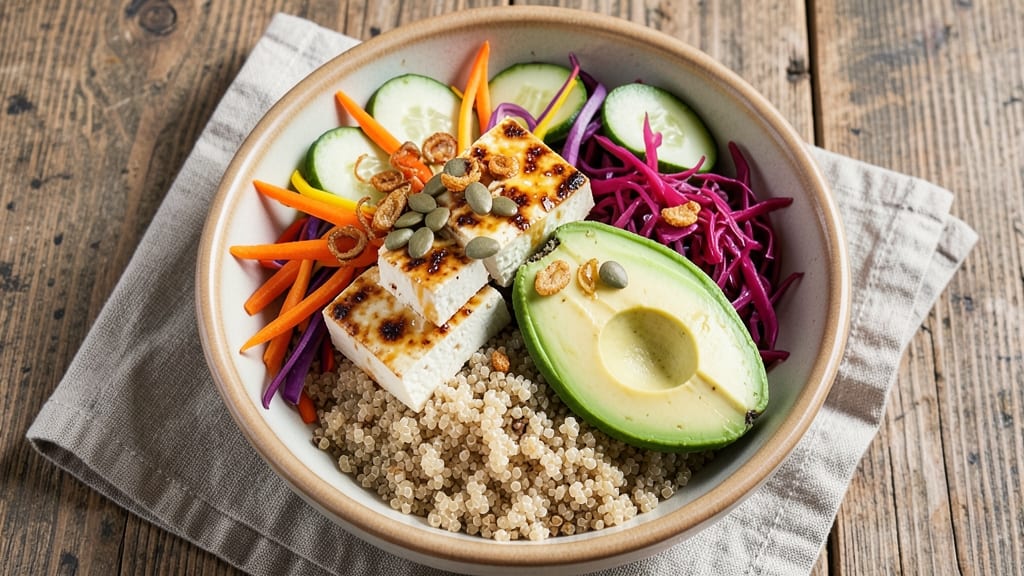
This Buddha bowl salad recipe transforms simple ingredients into a vibrant, protein-packed meal that's as nutritious as it is satisfying. 💛 I created it after years of testing vegan bowls that actually deliver on flavor and texture—no bland, soggy salads here.
The key is balancing hearty grains, crisp vegetables, and plant-based protein in a way that feels complete and delicious.
The beauty of this recipe lies in its customizable foundation: quinoa or rice as your base, roasted chickpeas or tofu for protein, and an array of fresh vegetables that change with the season.
Each component cooks separately so you can assemble everything at the end, ensuring crisp textures and vibrant colors. The dressing ties it all together without overpowering the natural flavors of the ingredients.
What you'll end up with is a visually stunning bowl that's packed with nutrients and satisfying flavors—crisp roasted vegetables, fluffy grains, tender protein, and fresh toppings that add crunch and brightness.
This isn't just another salad; it's a complete meal that's hearty enough for lunch or dinner and adaptable to any dietary preference.
The best part? You can prep components ahead of time and assemble when you're ready to eat, making this the perfect meal for busy weeknights or meal prep Sundays. Let's get started with this balanced, flavorful Buddha bowl recipe that proves healthy eating can be delicious and satisfying.
Ingredients for buddha bowl salad
Fresh grains, crisp veggies, and protein-packed power—this bowl is all about vibrant layers and big flavors.
| Ingredient | Amount | Notes |
|---|---|---|
| Cooked Quinoa 🌾 | 1 ½ cups | Uncooked weight, cooked fluffy |
| Extra-Firm Tofu 🍱 | 1 lb | Pressed and cubed |
| Rainbow Carrots 🥕 | 2 medium | Julienned or thinly sliced |
| Cucumber 🥒 | 1 whole | Seedless, thinly sliced |
| Red Cabbage 🥬 | 1 cup | Shredded, thinly sliced |
| Avocado 🥑 | 1 whole | Ripe, sliced or diced |
| Chickpeas 🥜 | 15 oz | Drained, rinsed, or roasted |
| Red Bell Pepper 🌶️ | 1 whole | Thinly sliced, seeds removed |
| Fresh Spinach 🌿 | 2 cups | Baby leaves preferred |
| Sesame Seeds 🌰 | 1 tbsp | Toasted for garnish |
| Tahini Dressing 🫒 | ½ cup | Homemade or store-bought |
| Lemon Juice 🍋 | 2 tbsp | Freshly squeezed |
| Maple Syrup 🍯 | 1 tbsp | For sweetness balance |
| Garlic Cloves 🧄 | 2 cloves | Minced for dressing |
| Sea Salt 🧂 | ½ tsp | Diamond Crystal preferred |
The quinoa is your base, so Trader Joe's or Whole Foods have the best pre-washed varieties—just rinse before cooking. For tofu, extra-firm holds up better to roasting. I grab mine from Sprouts or the bulk section at Kroger. Press it between towels for 20 minutes to remove excess water—trust me, it makes a difference. Rainbow carrots add color and crunch; if you can't find them, regular carrots work fine. The avocado is non-negotiable here—pick one that yields slightly to gentle pressure. For the tahini, Whole Foods or Penzeys have the best quality, but any good brand will do.
No tahini? Substitute peanut butter at half the amount, though the flavor will be different. Skip the red cabbage? Purple cabbage or extra spinach keeps things colorful. The chickpeas can be canned (just rinse well) or homemade—roast them with olive oil, salt, and smoked paprika for extra flavor. For the dressing, if you're short on lemon juice, lime juice works too. The maple syrup balances the tanginess, but agave or date syrup are good swaps. Don't skip the garlic—it's the secret to tying everything together. Fresh herbs like cilantro or parsley can be added for brightness if you're feeling fancy.
Prep ahead like a pro: cook the quinoa and roast the tofu and chickpeas first—they keep well in the fridge for 4-5 days. Store dressing separately to keep the avocado fresh. Assemble bowls right before eating to maintain crisp textures. The dressing can be made a day ahead and stored in a sealed jar. For extra crunch, toast the sesame seeds in a dry pan for 2-3 minutes—they'll smell amazing. This bowl tastes even better the next day as flavors meld, so double the batch for easy lunches.
Why You'll Love This Recipe
- No Chopping Chaos: I swear by this trick—just buy pre-shredded red cabbage and baby rainbow carrots. Toss in the cucumber sticks (or buy them pre-sliced), and suddenly you’ve got the crunchy base done in 3 minutes. The quinoa? Cook a big batch once and use it for days.
- Tofu That Wins: Between us, crispy-edged tofu is my secret weapon. Pan-fry it in sesame oil until golden, then toss with a pinch of smoked paprika—suddenly, you’ve got something ridiculously satisfying. No one skips the tofu here.
- Lunch for Days: This bowl keeps like a champ. Pack the quinoa and veggies separately, then assemble when you’re ready. Honestly, I make two big batches on Sunday and eat it for lunch all week—no sad desk salads here.
- Rainbow on a Budget: Red cabbage, carrots, cucumber—these are the affordable stars. They bulk up the bowl without breaking the bank, and the quinoa stretches further than you’d think. Plus, the colors? Instant Instagram-worthy, even if it’s just for your fridge.
Step-by-step instructions for layered Buddha bowl assembly
Build your vibrant bowls with this easy layering technique—perfect balance every time.
👨🍳 Step 1: Prep and Roast the Protein Base
Start by pressing the 1 lb extra-firm tofu between two paper towels for 15 minutes to remove excess water. Cut into ½-inch cubes and toss with ½ tsp sea salt. Heat 1 tablespoon olive oil in a skillet over medium-high heat until shimmering. Add the tofu and cook for 4-5 minutes per side until golden brown and crispy. You'll know it's ready when it releases easily from the pan.
Meanwhile, drain and rinse the 15 oz chickpeas thoroughly. Toss them with 1 teaspoon olive oil, ½ teaspoon sea salt, and ½ teaspoon smoked paprika. Spread on a baking sheet and roast at 400°F for 20-25 minutes until crispy and golden. Flip halfway through for even browning. These roasted chickpeas will add satisfying crunch to your bowl.
🍳 Step 2: Cook and Prepare the Base Ingredients
If you haven't already, cook the 1.5 cups uncooked quinoa according to package instructions (usually 1:2 quinoa-to-water ratio, simmered for 15 minutes). Fluff with a fork and let cool slightly. This will form the hearty foundation of your bowl—make sure it's fluffy and not mushy.
Julienne the 2 medium rainbow carrots into thin matchsticks or slice the 1 whole red bell pepper into thin strips. Thinly slice the 1 whole cucumber and shred the 1 cup red cabbage using a mandoline or sharp knife. Place all prepped veggies in separate bowls—this keeps your workspace organized and prevents cross-contamination of flavors.
🥘 Step 3: Assemble the Tahini-Lemon Dressing
In a small bowl, whisk together the 0.5 cup tahini dressing, 2 tbsp lemon juice, 1 tbsp maple syrup, and 2 cloves minced garlic. Start with 2 tablespoons water and gradually whisk in more until you reach a smooth, pourable consistency—it should coat the back of a spoon but still flow easily. Taste and adjust seasoning with more sea salt or lemon juice if needed. This dressing ties all the flavors together beautifully.
Here's the thing—tahini can be thick, so don't rush this step. If it's too thick, add water 1 teaspoon at a time. If it's too thin, whisk in another ½ teaspoon tahini. The perfect balance should be creamy but not heavy, with bright citrus notes cutting through the richness.
🥗 Step 4: Layer Your Buddha Bowls
Divide the cooked quinoa evenly among 4 bowls, mounding it slightly in the center. This creates a sturdy base that won't get soggy from dressings. Add the roasted tofu and crispy chickpeas next, spreading them evenly across the quinoa. These protein elements add heartiness and texture contrast.
Now for the fresh elements: arrange the spinach, carrots, cucumber, red cabbage, and sliced red bell pepper in an artistic pattern on top. The spinach should form a lush green base, while the colorful veggies add visual appeal. Save the avocado slices for garnishing last—they oxidize quickly, so you want to keep them looking fresh.
🍽️ Step 5: Finish and Serve with Fresh Toppings
Drizzle each bowl generously with the tahini-lemon dressing, coating all layers evenly. Sprinkle with 1 tablespoon toasted sesame seeds and top with the avocado slices. The creamy avocado pairs perfectly with the tangy dressing and crispy textures. Serve immediately while everything is at its peak freshness and crunch.
Pro tip: If you're serving this ahead of time, keep the dressing and avocado separate until ready to eat. The quinoa and veggies can be prepped 2 hours ahead and stored in the fridge—just assemble and dress just before serving. Each bite should deliver a perfect balance of textures: crispy, creamy, crunchy, and fresh.
Pro Tips For Making Buddha Bowl Salad
- CRISP THE TOFU: Use a wire rack instead of a plate to drain pressed tofu—airflow on all sides guarantees even browning. I learned this the hard way when my tofu came out soggy in the middle after pan-frying, no matter how long I cooked it.
- SHRED CABBAGE SMALL: Slice red cabbage paper-thin (about 1/8-inch) and cut into matchsticks—this keeps it crunchy without wilting under dressing. Thicker pieces turn mushy fast, and nobody wants sad cabbage in their bowl.
- COOK QUINOA AL DENTE: Rinse quinoa thoroughly, then cook it for 3 minutes less than the package says. Undercooked quinoa stays chewy and holds up better in bowls than overcooked, gluey grains. Trust me, your bowl will thank you.
- SAVE TIME WITH CARROT JULIENNE: Use a mandoline for rainbow carrots—it’s faster than hand-slicing and gives you uniform strips every time. If you’re short on time, skip the spiralizer and just slice them thinly; the texture won’t suffer.
Essential equipment for buddha bowl salad
Base Bowl Essentials
Start with a sturdy, wide bowl—I love using 4-6 inch ceramic bowls from Le Creuset or even stainless steel mixing bowls for that restaurant-style presentation. These hold up to layering and keep everything contained.
For meal prep, glass Pyrex containers with snap-on lids work perfectly—they stack neatly in the fridge and reheat evenly. 🥗
Don’t underestimate the importance of two small mixing bowls for your dressing and toppings. I keep one for the tahini-lemon dressing and another for quick assembly of avocado and sesame seeds. A small whisk (like the OXO Good Grips) makes quick work of emulsifying the dressing without overworking it.
Protein Prep Tools
For crispy tofu and chickpeas, a baking sheet with edges (I use Nordic Ware) prevents spills when flipping. A fine-mesh strainer is essential for rinsing chickpeas thoroughly—OXO’s collapsible strainer is my go-to.
For pressing tofu, two clean kitchen towels and a lightweight plate (or even a cast-iron skillet) work perfectly. 🍱
If you’re roasting chickpeas, a small offset spatula helps flip them evenly without sticking. For tofu, a sharp chef’s knife and cutting board are non-negotiable—extra-firm tofu can be stubborn, so a heavy knife like Wüsthof’s Classic makes the job easier.
Veggie Prep Must-Haves
A mandoline slicer (like Julienne fromOXO) is a game-changer for even carrot and cabbage slices—just be sure to use the guard! For bell peppers and cucumbers, a sharp chef’s knife and peeler keep prep efficient.
I also keep a small bowl with cold water nearby to refresh sliced cucumbers and keep them crisp. 🥕
For spinach, a large salad spinner (I prefer OXO’s) removes excess moisture so it stays vibrant in your bowl. A microplane is handy for zesting lemon or garlic if you’re feeling fancy—it adds bright, aromatic notes to the dressing.
Dressing and Finishing Touches
Emulsifying tahini requires a small whisk or even a mini hand mixer (like KitchenAid’s 1.5-quart) for thicker dressings. A measuring spoon set ensures precise ratios—especially for the maple syrup and lemon juice.
For garnishes, a small spoon helps distribute sesame seeds evenly, and a paring knife keeps avocado slices neat. 🍋
If you’re toasting sesame seeds, a lightweight skillet (like All-Clad’s Stainless Steel) over low heat prevents burning. Keep a small bowl nearby to catch any fallen seeds—waste not!
Nutrition facts
Frequently asked questions
Can I make this Buddha bowl gluten-free?
This recipe is naturally gluten-free if you use certified gluten-free quinoa and check your tahini and smoked paprika for hidden gluten. Most store-bought quinoa is gluten-free, but always verify the label. For extra security, cook your quinoa in a dedicated pot to avoid cross-contamination. The rest of the ingredients—veggies, tofu, chickpeas—are all gluten-free naturally.
How do I keep my Buddha bowl fresh for meal prep?
Store components separately in airtight containers for up to 4-5 days. Keep the dressing separate until ready to eat to prevent sogginess. The quinoa, roasted tofu, and chickpeas stay fresh in the fridge for 4 days, while fresh veggies like avocado and cucumber should be added just before serving. For longer storage, freeze the cooked quinoa and roasted proteins in portions—just thaw overnight in the fridge.
What if I don't like tahini? Are there good substitutes?
No problem! Swap tahini for peanut butter (use half the amount) or almond butter for a similar texture. For a lighter option, try Greek yogurt or vegan yogurt mixed with lemon juice and maple syrup. If you prefer a creamy dressing without nuts, a mix of mayonnaise and lemon juice works surprisingly well—just reduce the water in the recipe by half.
Can I make this recipe with different grains?
Yes! Swap quinoa for brown rice, farro, or cauliflower rice for a lower-carb option. Cook brown rice according to package instructions (usually 25-30 minutes for fluffy texture), and farro takes about 25-30 minutes in broth for extra flavor. For a lighter base, try forbidden black rice or barley. Just adjust cooking times and liquid ratios based on the grain you choose.
Why did my tofu turn out soggy instead of crispy?
Soggy tofu usually means it wasn't pressed long enough or cooked at the wrong temperature. First, press tofu for 20-30 minutes between towels to remove excess water. Then, cook it in a dry skillet over medium-high heat until golden brown—don't overcrowd the pan. For extra crispiness, pat the tofu cubes dry with a paper towel before cooking. If using an air fryer, cook at 400°F for 10-12 minutes, shaking halfway.