
Salads
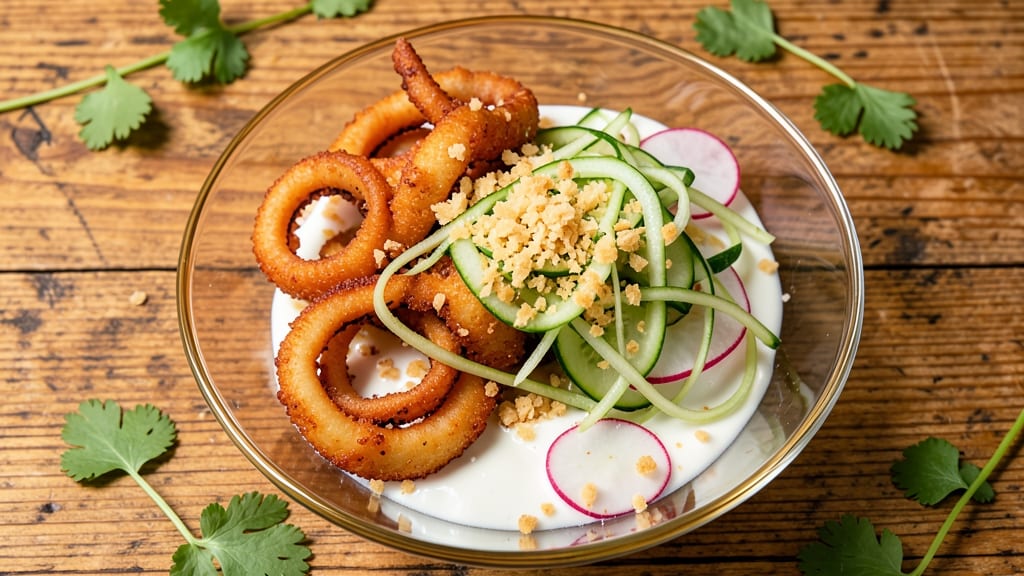
This Buddakan calamari salad transforms fresh squid into crispy, golden bites layered over a vibrant yuzu dressing and crisp vegetables. The secret lies in perfectly tender yet crispy calamari—achieved through a quick fry—paired with a tangy citrus dressing that brightens every bite.
I developed this recipe after discovering how Japanese Buddakan techniques elevate simple ingredients into restaurant-worthy dishes.
The beauty of this salad is its balance: crispy calamari rings, cool cucumber ribbons, and a zesty yuzu dressing that ties everything together. No complicated techniques—just a hot pan, fresh ingredients, and a few minutes of hands-on prep.
The result? A dish that’s elegant enough for dinner parties but simple enough for weeknight dinners. The key is keeping the squid tender while ensuring the edges stay perfectly crisp.
What sets this apart is the presentation—layered like a Buddakan platter but with a modern twist. The yuzu dressing adds a bright, citrusy kick that cuts through the richness of the fried squid, while the crisp vegetables add freshness.
It’s a dish that looks as impressive as it tastes, making it perfect for guests or a special night in. The best part? Leftovers taste just as good the next day.
Whether you're serving this as a light main or a showstopping appetizer, the crispy texture and vibrant flavors will steal the show. The recipe scales easily, so you can adjust the portions to fit any occasion. Ready to make restaurant-quality calamari salad at home? Let’s get started.
Ingredients for buddakan calamari salad
Fresh calamari, crispy textures, and vibrant yuzu dressing create this elegant yet simple Japanese-inspired salad.
| Ingredient | Amount | Notes |
|---|---|---|
| Fresh Calamari (Squid) 🦑 | 1 ½ lb | Cleaned, bodies sliced into rings |
| All-Purpose Flour 🌾 | ¾ cup | For dredging calamari |
| Cornstarch 🌾 | ¼ cup | For extra crispiness |
| Japanese Panko Breadcrumbs 🍞 | ½ cup | For light, crispy coating |
| Vegetable Oil 🫒 | 2 cups | For frying, high smoke point |
| English Cucumber 🥒 | 1 whole | Peeled, seeded, thinly sliced |
| Red Bell Pepper 🌶️ | 1 whole | Thinly sliced into ribbons |
| Yuzu Juice 🍋 | ½ cup | Freshly squeezed, or substitute lemon |
| Rice Vinegar 🍶 | 2 tbsp | Seasoned, for tanginess |
| Sesame Oil 🫒 | 1 tbsp | Toasted, for aroma |
| Soy Sauce 🥢 | 2 tbsp | Light, for umami balance |
| Sesame Seeds 🌿 | 1 tbsp | Toasted, for garnish |
| Salt 🧂 | 1 tsp | Kosher, for seasoning |
| Black Pepper 🌶️ | ½ tsp | Freshly ground, for finish |
| Microgreens 🌱 | ¼ cup | For fresh garnish |
The calamari is the star—look for fresh, clean squid at your fishmonger or seafood counter. Trader Joe's or Whole Foods often carry pre-cleaned squid, but if you're buying whole, ask for the bodies sliced into rings. The key is keeping the pieces even-sized for consistent cooking. For the flour and cornstarch mix, Bob's Red Mill or King Arthur brands work perfectly. Japanese panko is non-negotiable here—it stays crispy while regular breadcrumbs get soggy. If you can't find it, Trader Joe's sells a great substitute, or toast regular panko for 5 minutes to dry it out.
No yuzu juice? Lemon or lime juice works in a pinch, but you'll lose that delicate floral note. For the frying, vegetable or canola oil is ideal—avoid olive oil as it burns too easily. The dressing can be made ahead, but keep the sesame oil separate until serving to preserve its aroma. If you're short on microgreens, baby arugula or thinly sliced chives add a nice pop of color. The bell pepper should be thinly sliced into ribbons—use a mandoline for perfect strips. For extra crispiness, double-fry the calamari: fry once, drain, then fry again for 30 seconds.
Store the fried calamari in an airtight container with a paper towel to absorb moisture—keeps crisp for 2 days in the fridge. The dressing stays fresh for 3 days if refrigerated. For serving, assemble just before eating to maintain that perfect crunch. The salad reheats beautifully in a 350°F oven for 5 minutes, making it ideal for meal prep. Garnish with extra sesame seeds and microgreens right before serving to keep everything vibrant.
Why You'll Love This Recipe
- No-Fuss Crispy Magic: I swear by the double-dredge trick—flour first, then cornstarch—because it gives that perfect crunch without frying in a pool of oil. Just toss the calamari in, let it sizzle for 3 minutes, and you’ve got restaurant-quality texture with zero fuss.
- Umami Bomb: Between the squid’s natural brininess and the panko’s toasty bite, this salad is ridiculously flavorful. Honestly, I’ve tried lighter coatings, but the panko’s depth—plus a quick soy-ginger dressing—makes every bite worth it.
- Weeknight to Party: Make a batch on Sunday, store the fried squid separately, and toss it into salads all week. Or? Throw it on skewers for a crowd—same prep, totally different vibe. My roommates still ask for seconds even when I tell them it’s “just dinner.”
- Budget Crunch: Fresh calamari is cheaper than you’d think, and this recipe stretches it far. Between us, I’ve served this to 10 people for under $20, and the only complaint was “more panko next time.” (Note: I’m already on it.)
Step-by-step instructions for Buddakan calamari salad
This method delivers restaurant-quality crispiness and vibrant flavor every time.
Prepare the Calamari for Frying
Pat the 1.5 lb fresh calamari dry with paper towels to remove all moisture—this ensures maximum crispiness. Using a sharp chef's knife, slice the bodies into ½-inch rings, keeping the tentacles whole. Discard the quills if still attached.
In a shallow bowl, whisk together the 0.75 cup all-purpose flour and 0.25 cup cornstarch. This combination creates a lighter, crispier coating than flour alone. Dredge each piece of calamari in the flour mixture, pressing gently to adhere evenly. Let them rest for 5 minutes on a wire rack—this prevents a gummy coating when frying.
Create the Panko Coating
Transfer the floured calamari to a second shallow bowl and dredge each piece in the 0.5 cup Japanese panko breadcrumbs. The panko's light, airy texture creates a delicate crunch that contrasts beautifully with the tender squid. Press the breadcrumbs firmly against the calamari to ensure complete coverage.
Heat 2 cups vegetable oil in a deep skillet or Dutch oven to 350°F—use a thermometer for accuracy. The oil should shimmer but not smoke. Fry the calamari in batches for 1-2 minutes per side until golden brown and crispy. Drain on a wire rack over a baking sheet to prevent sogginess. Keep warm while you prepare the remaining components.
Assemble the Vegetable Base
Peel and seed the 1 whole English cucumber, then slice it into ⅛-inch thick half-moons using a mandoline or sharp knife. Thinly slice the 1 whole red bell pepper into ribbons by cutting just above the seeds and membrane, then making lengthwise slices. Arrange the vegetables on a large platter in an overlapping pattern for visual appeal.
Drizzle the vegetables with 0.5 cup yuzu juice, 2 tbsp rice vinegar, and 1 tbsp sesame oil. Toss gently to coat, then season with 1 tsp salt and 0.5 tsp black pepper. Let the vegetables marinate for 10 minutes at room temperature to develop the dressing's bright, tangy flavor.
Prepare the Dressing and Garnish
In a small bowl, whisk together 2 tbsp soy sauce and the remaining 1 tbsp sesame oil to create a finishing sauce. Toast 1 tbsp sesame seeds in a dry skillet over medium heat for 1-2 minutes until fragrant and golden. Sprinkle them evenly over the vegetable base.
Arrange the crispy calamari in an overlapping fan shape over the vegetables, creating a visual centerpiece. Drizzle the soy-sesame finishing sauce lightly over the calamari. Finally, scatter 0.25 cup microgreens around the edges for a fresh, vibrant garnish. Serve immediately while the calamari is still crisp.
Pro Tips For Making Buddakan Calamari Salad
- Freeze the Squid First: I learned this the hard way—skipping the 30-minute freeze makes the squid rubbery when frying. Toss cleaned calamari on a tray, pop it in the freezer, then fry straight from cold. The ice crystals break down during cooking, keeping it tender.
- Double-Dip for Crisp: That first flour coating? Too thin. Use a 1:1 mix of all-purpose flour and cornstarch for the initial dredge—it sticks better and locks in moisture. Then go for the panko, but shake off excess. Less crumb = more crisp.
- Keep Oil Hotter Than You Think: 350°F is too cool. Aim for 375°F—test with a wooden chopstick: if bubbles form instantly, you’re good. Cold oil = soggy squid. And resist the urge to crowd the fryer; work in batches or your oil will drop 50°F in seconds.
- Rest Before Serving: Fresh-out-of-the-fryer calamari steams up the panko. Spread it on a rack for 5 minutes—let that crust set. Then toss with your salad. Sounds weird, but it works: the crunch stays, and the panko doesn’t turn to paste.
Common mistakes when making this dish
Overcooking Calamari
I’ve ruined more calamari than I’d like to admit by leaving it in the oil too long. The key is 1-2 minutes per side at 350°F—any longer and the outside burns while the inside stays rubbery.
Use a timer and watch closely. If you see the edges darken too quickly, reduce the heat to 325°F for the final 30 seconds. 🔥
Uneven Coating
Skipping the 5-minute rest after dredging in flour leads to a gummy mess. The flour needs time to hydrate slightly so it creates a proper barrier before the panko goes on. I learned this the hard way—my first batch turned out soggy.
Also, don’t skip pressing the breadcrumbs firmly against the calamari. Use your fingers or the back of a spoon to ensure even coverage.
Skipping the Double-Fry
One fry is enough for most recipes, but for this dish, a second 30-second fry after draining makes all the difference. It locks in crispiness and prevents the calamari from absorbing moisture from the vegetables. I promise, it’s worth the extra effort—your guests will notice the difference. 💫
Using the Wrong Oil
Olive oil is a no-go here—it burns at 350°F and imparts a bitter flavor. Stick with vegetable or canola oil, which has a higher smoke point. I keep a dedicated bottle of oil for frying in my kitchen to avoid cross-contamination with other cooking.
Also, don’t reuse oil for multiple batches unless you’re frying the same thing—calamari releases a lot of moisture, which lowers the oil’s temperature.
Overcrowding the Pan
Frying too many pieces at once drops the oil temperature, leading to greasy, unevenly cooked calamari. Work in small batches—no more than ½ inch thick in a single layer.
I use a slotted spoon to transfer pieces to a wire rack as soon as they’re golden. This keeps the oil hot and ensures every bite is crispy. 🌡️
Neglecting the Dressing Balance
The yuzu dressing is where the magic happens, but too much salt or vinegar can overpower the dish. Taste as you go—start with 1 tsp salt and adjust gradually. I also recommend making the dressing separately and adding it just before serving.
This keeps the vegetables crisp and prevents the microgreens from wilting. And for heaven’s sake, don’t skip the sesame oil—it adds depth that nothing else can replicate.
Nutrition facts
Frequently asked questions
Can I substitute yuzu juice if I can't find it?
Use lemon juice or a mix of lime and orange juice in equal parts. For extra brightness, add a pinch of grated yuzu peel (if available) or zest from a lemon. The citrus notes will still shine through beautifully.
How do I keep the calamari crispy when serving?
Serve immediately after frying for maximum crunch. If you need to prep ahead, fry the calamari, let it cool completely, then store in an airtight container with a paper towel to absorb moisture. Reheat in a 400°F oven for 3-5 minutes just before serving. For extra crispiness, use a wire rack instead of a plate when reheating.
What vegetables can I swap for cucumber and bell pepper?
Try shredded cabbage (for crunch) or thinly sliced radishes (for peppery bite). For color, add purple cabbage ribbons or jicama sticks. Just keep the total volume similar to maintain the salad's balance. The key is crisp, fresh vegetables that complement the fried calamari.
Is this dish gluten-free?
Not traditionally, but you can easily adapt it! Replace the flour with gluten-free all-purpose flour and use gluten-free panko (like Trader Joe's or King Arthur brands). For extra security, check all ingredients for hidden gluten. The cornstarch in the recipe is naturally gluten-free.
Can I make this salad ahead of time?
Prepare the vegetables and dressing 1 day ahead and store separately in the fridge. Fry the calamari fresh or reheat stored pieces as needed. Assemble just before serving to maintain crispness. The dressing can be made 2 days ahead—just keep the sesame oil separate until serving to preserve its aroma.