
Salads
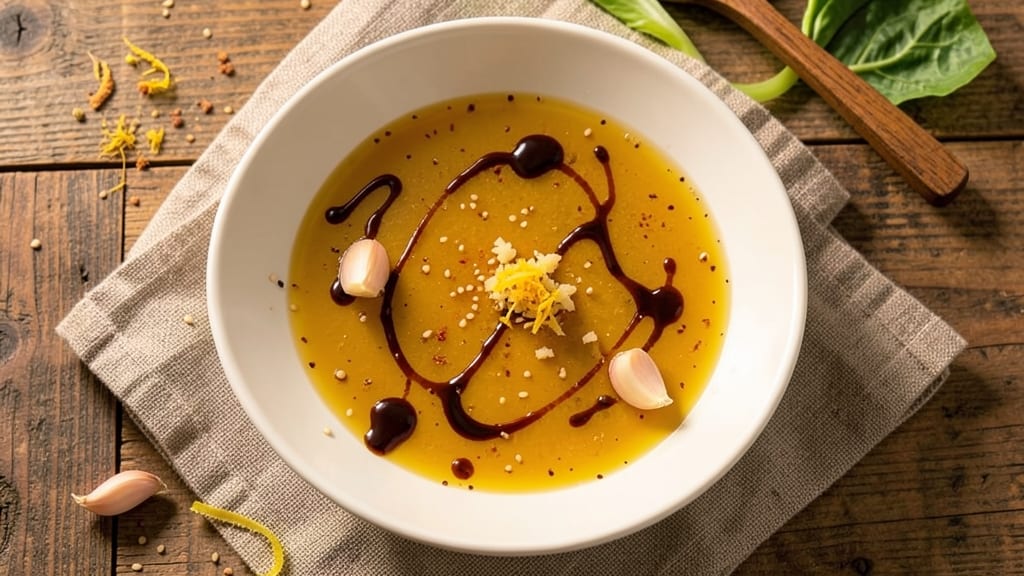
This bok choy salad dressing recipe transforms simple greens into a vibrant, umami-packed dish with just five ingredients and 10 minutes of prep. The secret lies in balancing bright sesame oil, zesty citrus, and fresh ginger for a dressing that enhances—not overpowers—the delicate flavor of bok choy.
I developed this after realizing store-bought dressings often drowned the natural sweetness of the vegetable, so I focused on harmony over intensity.
The dressing starts with a simple emulsion of rice vinegar and sesame oil, which provides the base for its signature brightness. A touch of honey or maple syrup balances the acidity, while fresh ginger and garlic add layers of warmth and depth.
This isn’t just for bok choy—it works beautifully on spinach, arugula, or even as a marinade for tofu or grilled chicken. The key is letting it sit for 15 minutes before using, allowing the flavors to meld seamlessly.
What makes this dressing truly special is its versatility and longevity. Store it in an airtight container in the refrigerator for up to a week, where the flavors continue to develop. The sesame-ginger profile ensures it won’t go stale quickly, and the acidity from the vinegar helps preserve freshness.
Whether you’re prepping for meal prep or simply want to elevate a quick salad, this dressing delivers restaurant-quality results with minimal effort.
Ready to elevate your greens? This dressing is the perfect balance of bold and subtle, ensuring every bite of your bok choy salad is packed with flavor without overwhelming the natural taste.
The best part? It’s ready in under 10 minutes, making it ideal for busy weeknights or spontaneous dinners. Let’s get started!
Ingredients for bok choy salad dressing
Five simple ingredients transform into a dressing that brings out bok choy's natural sweetness.
| Ingredient | Amount | Notes |
|---|---|---|
| Rice Vinegar 💧 | ½ cup | Light or seasoned variety preferred |
| Sesame Oil 🫒 | ½ cup | Toasted sesame oil for depth |
| Fresh Ginger 🌿 | 2 tbsp | Finely grated, fresh preferred |
| Garlic Cloves 🧄 | 2 cloves | Minced or pressed, fresh preferred |
| Maple Syrup 🍯 | 1 tbsp | Or honey for traditional sweetness |
| Soy Sauce 🍶 | 1 tbsp | For umami depth, vegetarian-friendly |
| Sesame Seeds 🌰 | 1 tbsp | Toasted, for garnish and crunch |
| Red Pepper Flakes 🌶️ | ½ tsp | Optional, for subtle heat |
| Sea Salt 🧂 | ½ tsp | Fine grain for balance |
| Black Pepper 🌶️ | ¼ tsp | Freshly ground for warmth |
The sesame oil and rice vinegar are your flavor anchors—Kikkoman rice vinegar and La Tourangelle sesame oil are my go-tos, but any good-quality brand works. Fresh ginger is non-negotiable here; pre-grated won’t cut it. Look for plump, firm ginger roots at the store—they’ll keep for weeks in the fridge. Garlic should be fresh too—if it smells pungent, toss it. The soy sauce adds that umami kick, so don’t skimp on quality. I grab the Kikkoman vegetarian-friendly soy sauce from most grocery stores, but any brand works. Toast your sesame seeds in a dry pan for 30 seconds—they’ll add a nutty crunch that takes this dressing to the next level.
No sesame oil? Avocado oil or light olive oil works in a pinch, but the flavor won’t be the same. Out of ginger? A pinch of ground ginger at half the amount gets you close, though fresh is ideal. Prefer honey over maple syrup? Use the same amount—both work beautifully. The red pepper flakes are optional, but if you add them, taste first—they pack a punch. For a sweeter dressing, bump the maple syrup to 1.5 tbsp. This dressing works on more than just bok choy—spinach, arugula, or even grilled tofu loves it too. Just adjust the amount based on your greens’ moisture level.
This dressing keeps for up to 1 week in the fridge, but the flavors actually improve over time. Store it in a small glass jar with a tight seal—the acidity helps preserve freshness. For meal prep, I make a double batch and portion it into small containers. It’s perfect for lunches or quick dinners. If you want to use it as a marinade, let it sit with the protein for at least 30 minutes before cooking. The sesame-ginger profile makes it a standout for tofu or grilled chicken too.
Why You'll Love This Recipe
- Five-Ingredient Magic: I swear by this combo—no fancy gadgets, just a whisk and a bowl. The sesame oil adds depth instantly, while the maple syrup balances the sharp ginger and garlic without tasting cloying. Honestly, it’s the kind of dressing I make when I’m too tired to overthink dinner.
- Umami-Packed Punch: That first spoonful of garlic and ginger sizzling in the pan? Pure flavor payoff. The rice vinegar cuts through the richness, and the sesame oil gives it this nutty warmth that makes every bite feel like a little celebration. It’s the kind of dressing that turns a simple salad into something you’ll actually crave.
- Works Everywhere: Slather it on grilled chicken, toss it with cold noodles, or drizzle it over steamed bok choy—it’s my secret weapon for weeknights. Between us, it’s also the only dressing my picky teen won’t complain about. (Yes, even on a Tuesday night.)
- Makes Leftovers Shine: A little goes a long way, so I double the batch and store it in the fridge. That maple syrup keeps it from separating, and the ginger stays fresh for days. It’s my go-to for turning limp takeout veggies into something worth eating the next day.
Step-by-step instructions for bright sesame-ginger vinaigrette
This dressing comes together in minutes with bold Asian-inspired flavors that elevate any bok choy salad.
Grate and Mince the Fresh Ingredients
Start by finely grating the 2 tablespoons of fresh ginger using a microplane or fine grater. The zest should be bright yellow and finely textured—this adds the aromatic backbone to your dressing. In a small bowl, mince the 2 cloves of garlic using a sharp knife or garlic press. You want the garlic finely chopped but not paste-like, so it blends smoothly without overpowering the other flavors.
Here's the thing—fresh ginger and garlic make all the difference. If you're short on time, you can use paste, but the texture and flavor won't be as vibrant. I always keep a microplane on hand for this step because it makes grating ginger effortless and ensures you get the maximum surface area for flavor extraction.
Whisk Together the Wet Ingredients
In a medium bowl, combine the 0.5 cup of rice vinegar, 0.5 cup of sesame oil, 1 tablespoon of maple syrup, and 1 tablespoon of soy sauce. Start by whisking the vinegar and sesame oil together for about 30 seconds—this emulsifies the oils slightly so they don't separate later. Then add the maple syrup and soy sauce, whisking until everything is fully incorporated and the mixture looks smooth and uniform.
The key here is patience. Don't rush the whisking—you want the ingredients to blend completely. The sesame oil might look like it's separating at first, but keep whisking. You'll see it come together into a silky, slightly cloudy liquid. This is the base of your dressing, and getting it right ensures the final product has a balanced sweet, tangy, and umami profile.
Add the Seasonings and Aromatics
To the wet mixture, add the grated ginger, minced garlic, 0.5 teaspoon of sea salt, and 0.25 teaspoon of black pepper. Stir well with a spoon or continue whisking until everything is evenly distributed. The dressing should now have a rich, golden color with visible flecks of ginger and garlic. Taste it at this stage—it should be tangy, slightly sweet, and aromatic but not yet fully balanced.
If you added the 0.5 teaspoon of red pepper flakes, sprinkle them in now and stir again. The heat should be subtle but noticeable. This is the moment that matters: adjust the seasoning now before adding the sesame seeds. You can add a pinch more salt if needed, but don't overdo it—the soy sauce and rice vinegar already contribute significant saltiness.
Finish with Toasted Sesame Seeds
In a dry skillet over medium heat, toast the 1 tablespoon of sesame seeds for 1-2 minutes, stirring constantly until they turn a rich golden brown and release their nutty aroma. This step is crucial—raw sesame seeds won't have the same depth of flavor. Let the seeds cool for 30 seconds, then sprinkle them into the dressing and stir gently to distribute them evenly.
The toasted sesame seeds add a delightful crunch and nutty undertone that elevates the dressing from good to extraordinary. They also provide a beautiful visual contrast when drizzled over your bok choy salad. Once the seeds are incorporated, give the dressing one final taste. It should now be perfectly balanced—tangy from the vinegar, sweet from the maple syrup, umami from the soy sauce, and aromatic from the ginger and garlic.
Let It Rest and Store Properly
Transfer the dressing to an airtight jar or container and let it rest at room temperature for 10-15 minutes. This allows the flavors to meld together fully. The dressing will keep in the refrigerator for up to 1 week, but I find it's best used within 3-4 days for maximum freshness. When you're ready to use it, give it a good shake or stir before drizzling over your bok choy salad.
Here's a pro tip: if the dressing separates slightly after refrigeration, simply shake the jar vigorously before using. The sesame oil and vinegar will re-emulsify, and you'll be left with a creamy, flavorful dressing every time. This dressing is incredibly versatile—use it on bok choy, noodles, grilled meats, or even as a marinade for tofu or chicken.
Pro Tips For Making Bok Choy Salad Dressing
- Infuse the Ginger: Use a microplane or fine grater for ginger—no peeling needed. Packed fresh ginger releases more flavor than thin slices, and you’ll avoid that weird texture when it doesn’t break down.
- Start with Cold Sesame Oil: Add sesame oil last, right before tossing the dressing. Heating it even slightly turns it bitter—trust me, I’ve ruined a batch by tossing it in too early.
- Mince Garlic Like You Mean It: Smash each clove with the flat side of your knife first, then mince finely. This releases more aroma and prevents clumps that make your dressing taste uneven.
- Balance the Sweet Early: Taste the dressing before adding maple syrup. If you’re unsure, add a teaspoon at a time—once it’s in, you can’t take it out, and you’ll end up with something cloying.
Flavor customization for these flavors
Sweet and Tangy
If you prefer a sweeter dressing, increase the maple syrup to 1.5 tablespoons while keeping the other ingredients the same. This enhances the natural sweetness of bok choy without overpowering it. For extra tang, add 1 extra teaspoon of rice vinegar—this balances the sweetness beautifully.
I’ve found this version works especially well with slightly bitter greens like arugula or mustard greens. 🍯
Spicy Kick
For heat lovers, boost the red pepper flakes to 1 teaspoon and add ½ teaspoon of sriracha or chili crisp for a smoky depth. Toast the flakes in a dry pan for 30 seconds before mixing to mellow the raw heat slightly.
This spicy version pairs perfectly with grilled chicken or tofu, adding a bold contrast to the delicate bok choy. Trust me, the first bite is always a game-changer! 🌶️
Creamy Twist
Transform this dressing into a creamy version by whisking in 2 tablespoons of tahini and 1 tablespoon of Greek yogurt after combining the wet ingredients. The tahini adds richness while keeping the dressing light, and the yogurt provides a silky texture.
This works amazingly on shredded cabbage or kale salads, adding a luxurious feel without heaviness. 🥄
Citrus Bright
Swap the maple syrup for 2 tablespoons of fresh lime juice and add 1 tablespoon of honey to create a zesty, citrus-forward dressing. The lime juice cuts through the richness of the sesame oil, making it incredibly refreshing.
This version is perfect for summer salads or as a marinade for seafood like shrimp or scallops. The acidity keeps the dressing from feeling too heavy. 🍋
Nutty Depth
For a deeper, nuttier flavor, replace ½ cup of sesame oil with ¼ cup sesame oil and ¼ cup walnut oil. Add 1 teaspoon of toasted walnuts (finely chopped) to the dressing for extra crunch.
This earthy version complements roasted vegetables or hearty salads like kale and farro bowls. The walnut oil adds a subtle bitterness that balances the sweetness beautifully. 🌰
Herb-Infused
Fresh herbs elevate this dressing to new heights. Finely chop 1 tablespoon of fresh cilantro or thai basil and stir it in at the end. For a more robust flavor, add 1 teaspoon of fish sauce (or soy sauce for a vegetarian option) to deepen the umami.
This herb-infused version is ideal for Vietnamese-inspired salads or as a dipping sauce for spring rolls. The herbs add a bright, aromatic finish that keeps the dressing vibrant. 🌿
Nutrition facts
Frequently asked questions
Can I make this dressing without sesame oil?
Yes, you can substitute sesame oil with avocado oil or light olive oil—just know the flavor will be slightly different. For a closer match, use ½ cup of neutral oil plus 1 teaspoon of toasted sesame seeds blended into the dressing for depth. The key is maintaining the balance of sweet, tangy, and umami notes.
How much dressing should I use for a standard bok choy salad?
For 1 head of bok choy (about 12 oz), 2-3 tablespoons of dressing is perfect—enough to lightly coat the leaves without making them soggy. If using additional greens like spinach or arugula, increase to ¼ cup total. Always toss the salad just before serving to keep it crisp.
Why did my dressing separate? How can I fix it?
Separation happens when the oil and vinegar aren’t properly emulsified. Shake the jar vigorously for 20-30 seconds before using—this will re-combine the ingredients. For a smoother texture, add 1 teaspoon of Dijon mustard to the wet ingredients when whisking initially. The mustard acts as a natural emulsifier.
Can I use this dressing on non-salad dishes?
This dressing works beautifully as a marinade for tofu, grilled chicken, or shrimp (let it sit for 30+ minutes). It also elevates noodle bowls, roasted vegetables, or even as a dipping sauce for spring rolls. The sesame-ginger profile adds depth to any dish beyond just greens.
What’s the best way to store leftover dressing?
Transfer to an airtight glass jar and refrigerate for up to 1 week. The flavors actually improve over time! If the dressing thickens slightly, stir in 1 teaspoon of warm water to restore consistency. For longer storage, freeze in ice cube trays**—thaw overnight in the fridge before using.