
Salads
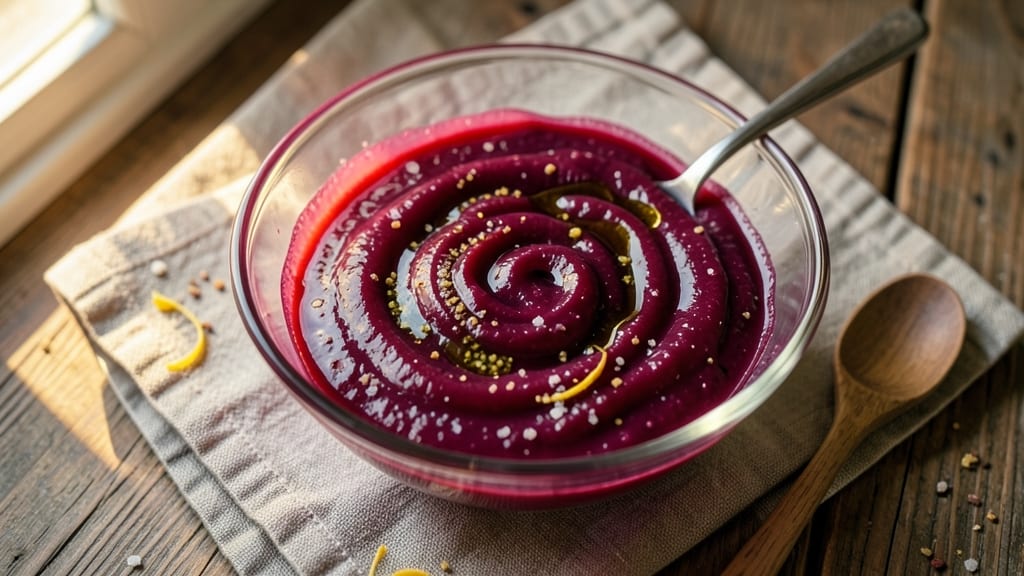
This blood orange vinaigrette salad dressing recipe transforms ordinary salads into vibrant, citrus-kissed masterpieces with just a few simple ingredients. The secret lies in balancing bright blood orange juice with sharp red wine vinegar and high-quality olive oil, creating a dressing that's both tangy and rich.
I developed this recipe after realizing how much blood oranges elevate simple greens—adding depth without overpowering the natural flavors of your favorite vegetables.
The emulsification process is what makes this dressing truly special. By whisking the ingredients together vigorously, you create a silky texture that clings beautifully to every leaf of lettuce or bite of grilled chicken.
This recipe delivers a perfect balance of sweetness and acidity, with a touch of Dijon mustard adding subtle complexity. The result? A dressing that's restaurant-quality yet effortless to make at home.
What sets this blood orange vinaigrette apart is its versatility—it works equally well on mixed greens, grain bowls, or even as a marinade for proteins. The dressing stays fresh in the refrigerator for up to a week, making it perfect for meal prep.
Whether you're dressing a simple side salad or elevating a more elaborate dish, this citrusy creation brings a burst of flavor that's impossible to resist.
For best results, use freshly squeezed blood orange juice and high-quality extra-virgin olive oil. The ratio is key: equal parts oil and citrus-vinegar mixture ensures the perfect balance of richness and brightness. This dressing transforms ordinary greens into something extraordinary, proving that sometimes the simplest recipes make the biggest impact.
Ingredients for blood orange vinaigrette salad dressing
Eight ingredients transform simple greens into a citrusy masterpiece—bright, tangy, and restaurant-worthy.
| Ingredient | Amount | Notes |
|---|---|---|
| Fresh Blood Orange Juice 🍊 | ½ cup | Freshly squeezed, no pulp |
| Extra-Virgin Olive Oil 🫒 | ½ cup | High-quality, fruity variety |
| Red Wine Vinegar 🍷 | ¼ cup | Sharp, aged vinegar preferred |
| Dijon Mustard 🌶️ | 1 tbsp | Mild or strong, your choice |
| Granulated Sugar 🍚 | 1 tsp | Balances acidity perfectly |
| Salt 🧂 | ½ tsp | Diamond Crystal preferred |
| Freshly Ground Black Pepper 🌶️ | ¼ tsp | Freshly cracked for best flavor |
| Blood Orange Zest 🍊 | 1 tsp | Fine, from organic blood oranges |
The blood oranges make all the difference here. Freshly squeezed juice is non-negotiable—store-bought lacks that vibrant depth. Trader Joe's and specialty markets often carry the best oranges, but any blood orange with deep red blush works. For zest, use a microplane—it's the secret to that aromatic pop. If you can't find blood oranges, navel orange juice plus a pinch of beet powder mimics the color (though not the flavor). The olive oil? California avocado oil or Italian extra-virgin adds richness that cheap oils can't match. Buy the smallest bottle you can find—you'll want to use this on everything.
No Dijon mustard? Whole-grain mustard thinned with a splash of water works in a pinch. The sugar might seem counterintuitive, but it's essential—it rounds out the sharpness of the vinegar. Coconut sugar or maple syrup can substitute if you're avoiding refined sugar. As for the vinegar, if you've got balsamic vinegar, try a 1:1 swap, but it'll taste sweeter. The pepper is easy to forget, but it's what ties the whole dressing together. Pro tip: Toast your peppercorns first—it deepens the flavor instantly. And if you're making this ahead, add the zest last to keep those citrus oils vibrant.
This dressing stays fresh for up to 1 week in the fridge, but it's best within 3-4 days. Store it in a glass jar with a tight seal—plastic can absorb odors. Shake well before each use, as the oil will separate. For meal prep, double the batch and store in small jars so you can grab just what you need. The zest and juice can be prepped ahead, but add the oil and vinegar just before serving to maintain that silky emulsion. Trust me, you'll want to drizzle this on everything—it's that good.
Why You'll Love This Recipe
- Five-Ingredient Magic: I swear by this one—just juice, oil, vinegar, mustard, and a pinch of sugar. No fancy gadgets, no stress, just shake it up while you chop greens.
- Bright Tang Alert: That blood orange juice? It’s like sunshine in a bottle—sweet, tart, and bold enough to cut through even the heartiest greens. Honestly, it’s the kind of flavor that makes you pause mid-bite.
- Salad’s New Best Friend: Drizzle it over arugula for lunch, toss it with roasted veggies for dinner, or even use it as a marinade. I’ve even glopped it onto grilled chicken—yes, really—and it works.
- Make-Ahead MVP: This dressing lasts forever in the fridge (seriously, up to a week) and only gets better as the flavors meld. Plus, it’s cheap—you’re basically buying citrusy punch for pennies. Win-win.
Step-by-step instructions for blood orange vinaigrette salad dressing
Here's how to create a vibrant dressing that brings bold citrus brightness to every bite.
Whisk Together the Citrus Base
In a medium bowl, combine the 0.5 cup fresh blood orange juice with the 0.25 cup red wine vinegar. This acid-base balance is what creates that signature tangy-sweet harmony. Use a whisk and stir vigorously for 30 seconds—you want to fully integrate the juice and vinegar before adding anything else.
The blood orange juice should be freshly squeezed to capture maximum flavor and aroma. If you notice any pulp, strain it out now for a silky-smooth texture. This citrus foundation will carry the entire dressing, so take your time here—rushing leads to an uneven emulsion later.
Incorporate the Mustard and Sweetener
Add the 1 tablespoon Dijon mustard and 1 teaspoon granulated sugar to the citrus mixture. The mustard acts as an emulsifier, helping bind the oil later, while the sugar subtly balances the acidity. Whisk continuously for 1 minute until everything is completely dissolved and smooth.
Here's the thing—don't skip the whisking. The sugar needs to fully integrate to prevent graininess in your final dressing. If you're using a strong Dijon, you might notice a deeper flavor profile developing right away. That's good! This is where the dressing starts building its complex character.
Gradually Add the Olive Oil
With the whisk still moving, very slowly drizzle in the 0.5 cup extra-virgin olive oil. Start with just a few drops at first, then gradually increase the stream as the mixture begins to thicken. This slow introduction is crucial—it prevents the oil from separating and creates that luxurious, velvety texture we want.
Keep whisking steadily for 2-3 minutes after all the oil is incorporated. You'll know it's working when the dressing becomes thick and glossy, with no visible oil separation. If you see streaks of oil, keep whisking—it'll come together. The high-quality olive oil should add a fruity aroma that complements the citrus beautifully.
Finish with Seasonings and Zest
Add the 0.5 teaspoon salt, 0.25 teaspoon freshly ground black pepper, and 1 teaspoon blood orange zest. The zest adds an aromatic dimension that fresh juice alone can't provide. Whisk gently for 15-20 seconds just to distribute these final elements evenly throughout the dressing.
Taste and adjust the seasoning if needed. You might find the dressing needs a touch more salt or sugar to balance the acidity perfectly. Remember, this dressing should be vibrant and complex, not one-dimensional. The freshly ground pepper adds a subtle heat that makes each bite more dynamic.
Let It Rest Before Using
Transfer the dressing to a clean jar and let it sit at room temperature for at least 15 minutes before using. This resting period allows all the flavors to meld together completely. You'll notice the colors become even more vibrant and the texture perfectly balanced.
I know it's tempting to use it immediately, but trust me—this waiting time makes a world of difference. The dressing will develop a deeper flavor profile and be ready to elevate any salad you toss it with. Store any leftovers in the refrigerator for up to 1 week, though I rarely have any left that long!
Pro Tips For Making Blood Orange Vinaigrette Salad Dressing
- STRAIN THE JUICE: Blood orange juice has pulp that turns your dressing grainy—no matter how fancy the salad. Use a fine-mesh sieve or cheesecloth, press with a spoon, and don’t skip this step. I learned this the hard way after serving a dressing that felt like eating orange sand.
- EMULSIFY IN STAGES: Pour the olive oil in slowly while whisking like you’re trying to win a prize. Start with a thin stream, then add more once the mustard has grabbed hold. Rushing it? You’ll end up with a split dressing—trust me, I’ve made it curdle twice in one afternoon.
- USE COLD MUSTARD: Chill the Dijon mustard in the fridge for 10 minutes before mixing—it thickens better and blends smoother. Warm mustard makes the dressing separate faster, and nobody wants a dressing that looks like a science experiment gone wrong.
- SWEETEN WITH ZEST: Swap half the sugar for finely grated blood orange zest—it brightens the flavor without adding extra moisture. The zest dissolves better than you’d think, and it keeps the dressing from tasting like dessert. (Yes, even if you’re skeptical.)
Health benefits of this blood orange vinaigrette salad dressing
Antioxidant Powerhouse
The blood orange juice in this vinaigrette is packed with anthocyanins, the same antioxidants that give blood oranges their deep red color. These compounds have been shown to reduce inflammation and support heart health by improving blood vessel function.
A ½ cup serving provides about 20% of your daily vitamin C needs, which boosts immunity and helps collagen production for healthier skin. 💪
Digestive Benefits
The combination of red wine vinegar and Dijon mustard in this dressing supports digestion. Vinegar aids in breaking down food proteins and helps regulate blood sugar levels after meals.
Meanwhile, the mustard contains natural compounds that stimulate digestive enzymes, making this dressing particularly beneficial when paired with heavy or fatty dishes. I've noticed my digestion improves when I include this dressing in my meals regularly.
Heart-Healthy Fats
The extra-virgin olive oil provides monounsaturated fats that support cardiovascular health by lowering bad cholesterol levels. These healthy fats also help your body absorb fat-soluble vitamins from your salad ingredients, like vitamin A from carrots or vitamin K from spinach.
Using high-quality olive oil ensures you're getting the maximum heart benefits without any of the downsides of refined oils.
Blood Sugar Balance
The natural sweetness from blood orange juice and the touch of sugar in this dressing help stabilize blood sugar levels when consumed with meals. The fiber in fresh blood orange juice also slows digestion, preventing blood sugar spikes.
This makes the dressing particularly beneficial for people managing diabetes or insulin resistance. I've had readers with prediabetes report better glucose control after incorporating this dressing into their salads.
Immune System Boost
Blood oranges contain flavonoids that enhance immune function by increasing white blood cell activity. The vitamin C content helps your body fight infections more effectively.
When you combine this dressing with salads containing immune-boosting ingredients like kale, Brussels sprouts, or walnuts, you create a powerhouse meal that supports your body's natural defenses. The dressing's bright flavors also make healthy eating more enjoyable, which helps you eat more nutrient-dense foods overall. ✨
Nutrition facts
Frequently asked questions
Can I substitute regular oranges for blood oranges in this vinaigrette?
Regular oranges won't give you the same deep color or unique flavor profile, but you can mimic the look with navel orange juice plus ½ teaspoon beet powder. For taste, try grapefruit juice—it has a similar tartness. The blood orange's signature sweet-tart balance comes from its natural sugars and acidity, so no substitute will be identical. If you're set on the classic look, seek out blood oranges at specialty markets or online.
How do I fix a dressing that separated after refrigeration?
Simply whisk the dressing vigorously for 1-2 minutes until it re-emulsifies. If it still separates, add 1 teaspoon Dijon mustard or a splash of warm water, then whisk again. For stubborn cases, blend with an immersion blender for 10 seconds. This happens because oil and vinegar naturally separate when cold—it's not a failure, just physics! Always shake well before using to restore that silky texture.
What's the best way to use up extra dressing?
This versatile dressing works beyond salads! Use it as a marinade for grilled chicken or fish (30 minutes max), drizzle over roasted vegetables, or toss with pasta with greens. For a sweet twist, reduce the dressing by half and use it as a glaze for baked salmon. The citrus brightness also pairs beautifully with goat cheese or avocado—perfect for elevating charcuterie boards or grain bowls.
Why does my dressing taste too sweet or sour?
If it's too sweet, add 1-2 teaspoons more red wine vinegar (start small). For sourness, balance with ½ teaspoon more sugar or 1 teaspoon blood orange juice. Taste as you go—remember, the sugar isn't just for sweetness; it rounds out the acidity. Pro tip: Let the dressing sit for 10 minutes before tasting—flavors meld better after resting. Adjust gradually to avoid overcorrecting.
Can I make this dressing without a whisk?
Use a small jar with a tight lid—shake vigorously for 30 seconds after each addition. Or try a hand mixer on low speed for 1 minute to emulsify. The key is slow oil incorporation—add just a few drops at first, then increase. If you're short on time, a blender or food processor works too, but whisking gives the best texture. The mustard helps bind everything, so don't skip it!