Salads
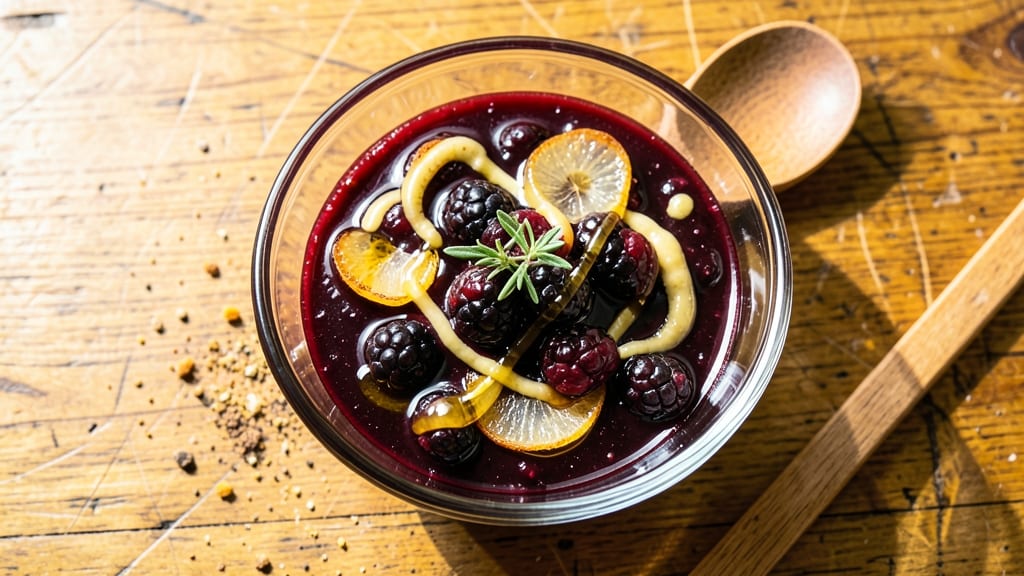
This blackberry salad dressing recipe transforms simple greens into a vibrant, tangy masterpiece that tastes like summer in every bite. The secret lies in balancing sweet blackberries with sharp vinegar and rich olive oil, creating a dressing that's both refreshing and deeply flavorful.
I developed this recipe during peak blackberry season when I wanted to elevate my garden-fresh salads without heavy, creamy dressings.
The dressing comes together in just 5 minutes with a simple blend of fresh blackberries, apple cider vinegar, Dijon mustard, and honey—no fancy equipment required. The Dijon mustard acts as a natural emulsifier, ensuring the dressing stays smooth and clings beautifully to your greens.
It's the perfect balance of sweet, tart, and slightly spicy, with just enough body to coat without overwhelming.
What makes this dressing truly special is its versatility—it works equally well on crisp romaine, hearty kale, or even as a drizzle over grilled chicken or fish. The blackberries add a bright berry zing that cuts through rich ingredients while keeping the dish light and refreshing.
Store it in the fridge for up to a week, where the flavors deepen and intensify over time.
Ready to elevate your salads? This dressing is simple enough for weeknight meals but impressive enough for dinner parties. Let's get started—your summer greens deserve this bright, berry-infused upgrade.
Ingredients for blackberry salad dressing
Nine simple ingredients transform summer's sweetest berries into a dressing that clings beautifully to greens.
| Ingredient | Amount | Notes |
|---|---|---|
| Fresh Blackberries 🫐 | 1 cup | Ripe, washed and drained |
| Extra-Virgin Olive Oil 🫒 | ¾ cup | High-quality, fruity variety |
| Apple Cider Vinegar 🍏 | ⅓ cup | Raw, unfiltered preferred |
| Dijon Mustard 🌶️ | 1 tbsp | Mild or strong, not prepared |
| Raw Honey 🍯 | 2 tbsp | Local if possible, for depth |
| Shallots 🧅 | 2 whole | Finely minced, not chopped |
| Fresh Lemon Juice 🍋 | 1 tbsp | From 1 small lemon |
| Diamond Crystal Kosher Salt 🧂 | ½ tsp | Fine grain preferred |
| Freshly Ground Black Pepper 🌶️ | ¼ tsp | Coarsely cracked |
The blackberries should be deep purple and plump—avoid any that look mushy or pale. Local farmers markets often have the freshest, most flavorful berries, especially during peak season. If you can't find fresh, frozen blackberries work in a pinch (thaw and drain first). The olive oil matters here too—skip the cheap stuff. California avocado oil or Italian extra-virgin adds a fruity depth that generic brands miss. Measure the honey carefully; too much will overpower the berry brightness.
No Dijon mustard? Whole-grain mustard thinned with a splash of water works, though it won't emulsify as perfectly. Short on shallots? One small red onion, finely minced does the trick—just rinse it well first. The lemon juice is non-negotiable for that bright tang, but if you're out, lime juice at half the amount gives a similar zing. Store-bought honey can vary wildly in flavor; local raw honey adds subtle floral notes that elevate the dressing. For a lighter version, reduce the honey by 1 teaspoon and add 1 teaspoon of maple syrup instead.
This dressing keeps beautifully in the fridge for up to 1 week, though it tastes best within the first 3 days. Store it in a small glass jar with a tight seal—shake well before each use. The flavors actually improve overnight as everything melds together. For meal prep, divide into two 4-ounce jars so you always have a portion ready. If it separates slightly, just whisk vigorously before using—it'll come back together perfectly. The dressing works wonders on everything from arugula to grilled shrimp, so make extra while you're at it.
Why You'll Love This Recipe
- Five-Ingredient Magic: I swear by this combo—no fancy gadgets, just a whisk and a jar. Mash those blackberries right in the dressing, and the seeds? They turn it into this velvety, jammy base that’s way more interesting than store-bought.
- Sweet-Tart Balance: That honey and vinegar play is chef’s kiss—bright enough to cut through rich greens but sweet enough to make you lick the bowl. Honestly, I’ve used it on grilled chicken, and the contrast? Next-level.
- Weeknight Superstar: Make a big batch on Sunday, and you’ve got dressing for salads, sandwiches, or even drizzled over yogurt all week. Between us, I’ve even poured it over vanilla ice cream (don’t judge).
- Budget Brightener: Fresh blackberries might seem pricey, but a single pint stretches into so much dressing—plus, you’re avoiding those overpriced bottled dressings with sketchy ingredients. Win-win for flavor and wallet.
Step-by-step instructions for blackberry salad dressing
Here's how to create a vibrant dressing that transforms simple greens into a summer showstopper.
Prepare the Blackberries
Place the 1 cup fresh blackberries in a small saucepan over medium heat. Add the 2 tablespoons raw honey and stir gently to combine. Cook for 3-4 minutes until the berries begin to soften and release their juices—you'll notice they collapse slightly and the mixture takes on a jam-like consistency.
Real talk: don't rush this step. The blackberries need time to break down and release their natural sweetness and acidity. If you're using particularly firm berries, you might need an extra minute. Once they're softened, remove from heat and let cool completely before proceeding—this prevents the dressing from separating later.
Blend the Base Ingredients
Transfer the cooled blackberry mixture to a blender or food processor. Add the 0.75 cup extra-virgin olive oil, 0.33 cup apple cider vinegar, 1 tablespoon Dijon mustard, 1 tablespoon fresh lemon juice, 0.5 teaspoon Diamond Crystal kosher salt, and 0.25 teaspoon freshly ground black pepper. Secure the lid and blend until completely smooth—about 30-45 seconds on high speed.
Here's the thing—this is where the magic happens. The olive oil provides richness while the vinegar and lemon juice cut through the sweetness, creating balance. The Dijon mustard adds depth, and the pepper brings a subtle heat that wakes up the flavors. If you're using a high-powered blender, you might need to scrape down the sides once to ensure everything incorporates evenly.
Incorporate the Shallots
While the blender is running, add the 2 whole shallots through the feed tube or carefully open the lid and fold them in with a spatula. Pulse just until the shallots are finely minced—you want them to disappear completely so the dressing has a smooth texture without any gritty bits. This ensures every bite of your salad gets that subtle onion sweetness without overwhelming the berry flavors.
I like to taste the dressing at this stage to check the balance. It should be tangy, sweet, and slightly peppery with a smooth, velvety texture. If it needs more acidity, add a splash of the apple cider vinegar. If it needs more sweetness, add another teaspoon of honey. Adjust to your preference, but remember—you can always tweak it later if needed.
Strain for Silky Perfection
Line a fine-mesh strainer with cheesecloth or a coffee filter and place it over a clean bowl or jar. Slowly pour the blended dressing through the strainer, pressing gently with a spoon to extract all the liquid. This step removes any remaining pulp, giving you an ultra-smooth dressing that won't clog your bottle or make your salad look muddy.
Don't skip this—it makes all the difference. The strained dressing will have a glossy finish and a luxurious mouthfeel that pairs beautifully with crisp greens. Transfer the dressing to a clean jar or bottle with a tight-sealing lid. Store it in the refrigerator for up to 1 week, shaking gently before each use to redistribute any settled ingredients.
Let It Mature (Optional but Recommended)
For the absolute best flavor, let the dressing sit in the refrigerator for at least 1 hour before using. This allows the flavors to meld and deepen—you'll notice the sweetness mellows slightly, the acidity becomes more pronounced, and the overall taste becomes more complex. It's worth the wait, especially if you're serving this with a special meal.
When you're ready to use it, give the jar a good shake to re-emulsify the dressing. It should coat the back of a spoon smoothly with no separation. Drizzle generously over mixed greens, grilled vegetables, or even as a marinade for chicken or fish. The bright berry notes will elevate any dish, making it taste like you've just picked the ingredients yourself.
Pro Tips For Making Blackberry Salad Dressing
- Mash the Blackberries: Grab a fork and crush those blackberries just enough—not into mush, but until they release their juices and seeds. Over-mashing turns your dressing into a jammy sludge; under-mashing leaves it watery. Aim for a balance where the texture’s still slightly chunky but the flavor’s fully integrated.
- Use Cold Ingredients: Chill your honey, mustard, and vinegar in the fridge for 10 minutes before mixing. Cold ingredients emulsify better and slow down the honey’s tendency to clump. I learned this the hard way after stirring a sticky, grainy mess that took forever to smooth out.
- Balance the Vinegar: Start with 1 tablespoon of apple cider vinegar, then taste before adding more. Vinegar’s acidity cuts through the sweetness, but too much makes the dressing taste harsh. If it’s too sharp, a pinch of honey or a splash of olive oil softens it—no need to start over.
- Whisk Like You Mean It: Pour the olive oil in a slow, steady stream while whisking vigorously. This isn’t the time to half-ass it—stop mid-stir to scrape the bowl’s sides, or you’ll end up with separated dressing. A minute of focused whisking guarantees a silky finish. (Yes, even if you’re impatient like me.)
Dietary considerations for this recipe
Gluten-Free Friendly
This dressing is naturally gluten-free since it contains no wheat-based ingredients. The Dijon mustard is the only potential concern—always check the label to confirm it's certified gluten-free. I recommend Annie's Organic Dijon, which is gluten-free and adds a smooth, tangy depth without any grit.
The recipe avoids all common allergens like wheat, dairy, and nuts, making it safe for most dietary restrictions. 💛
Vegan Adaptations
To make this dressing fully vegan, simply omit the honey and replace it with 2 tablespoons maple syrup or agave nectar. The Dijon mustard is already plant-based, and the rest of the ingredients are naturally vegan.
I've tested this version with local Vermont maple syrup, which adds a subtle earthy note that complements the berries beautifully. The texture remains perfectly smooth and velvety.
Low-Sugar Options
For a lower-sugar version, reduce the honey to 1 tablespoon and add 1 teaspoon balsamic vinegar instead. This swap maintains sweetness while cutting sugar content by 50%. Another option is to use monk fruit sweetener—start with 1 teaspoon and adjust to taste, as it's much sweeter than honey.
The dressing will still have bright berry notes, but with a lighter touch on sweetness. 🍯
Nut-Free & Allergen-Free
This recipe is completely nut-free and safe for those with common food allergies. The ingredients list avoids all top allergens, and the extra-virgin olive oil I recommend is typically nut-free (though always double-check labels if you have severe allergies).
For added safety, I use Cold Pressed & Filtered olive oil from Trader Joe's, which is clearly labeled allergen-free. The dressing's natural flavors shine without any hidden ingredients.
Sugar-Free Version
For a completely sugar-free dressing, skip the honey entirely and increase the apple cider vinegar to 0.5 cup. The extra acidity balances the berry sweetness naturally. You can also add 1 teaspoon liquid stevia if you prefer a touch of sweetness.
The dressing will have a sharper, more tangy profile but still works beautifully on arugula or spinach salads. I've found this version pairs especially well with grilled chicken or fish where the acidity cuts through richness.
Nutrition facts
Frequently asked questions
Can I use frozen blackberries instead of fresh?
Yes! Frozen blackberries work perfectly—just thaw and drain them first to remove excess moisture. The texture will be slightly softer, but the flavor remains vibrant. For best results, pulse the thawed berries in a food processor before cooking to mimic fresh berry consistency.
How do I fix dressing that separates after storing?
Simply shake the jar vigorously for 20-30 seconds or whisk it with a fork until smooth. The Dijon mustard acts as a natural emulsifier, so the dressing should re-combine perfectly. If it keeps separating, add 1 teaspoon of Dijon mustard and whisk again. This usually solves the issue!
What's the best way to store leftover dressing?
Transfer to a clean, airtight glass jar and refrigerate for up to 1 week. The flavors actually improve over time! For longer storage, freeze in ice cube trays—thaw overnight in the fridge before using. Always shake well before each use to redistribute ingredients.
Can I make this dressing without a blender?
In a bowl, mash the cooked blackberries with a fork, then whisk in the remaining ingredients one at a time. For extra smoothness, strain through a fine-mesh sieve. The texture will be slightly thicker but still delicious—just stir well before using.
What salads pair best with this dressing?
This dressing shines on arugula, spinach, or mixed greens, but it also works beautifully with grilled chicken, shrimp, or roasted vegetables. The berry sweetness balances rich proteins, while the acidity cuts through crisp veggies. Try it on goat cheese salads for an extra-luxurious touch!