
Salads
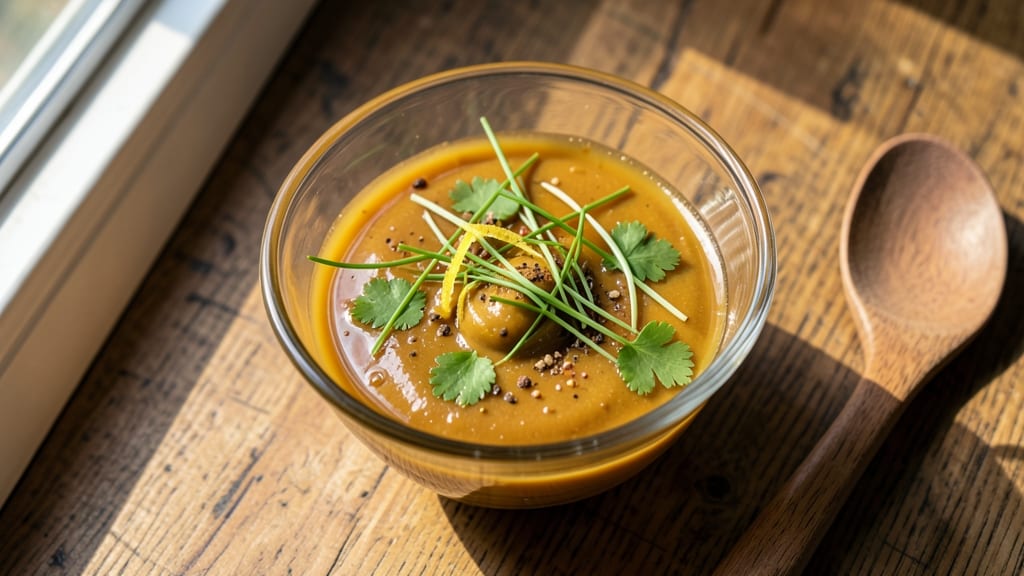
This bistro salad dressing recipe transforms simple ingredients into a sophisticated vinaigrette with herbal depth and tangy balance—the kind that elevates any salad from ordinary to restaurant-worthy.
The secret lies in a precise ratio of oil to vinegar, emulsified with Dijon mustard for a silky texture that clings beautifully to greens. I developed this after years of testing, and it never fails to impress, even with minimal ingredients.
The dressing achieves its signature flavor through a blend of fresh herbs—tarragon, chives, and parsley—paired with a touch of honey to soften the acidity. A splash of lemon juice brightens the profile, while a pinch of salt and pepper rounds out the taste.
Unlike store-bought versions, this recipe stays vibrant for up to a week in the fridge, making it perfect for meal prep or gifting.
What sets this dressing apart is its versatility—it works equally well on crisp arugula, hearty kale, or even as a marinade for grilled vegetables. The emulsification technique ensures it won’t separate, and the herbs infuse the oil with aroma, creating a dressing that’s as fragrant as it is flavorful.
No special equipment is needed, just a whisk and a jar for storage.
For best results, let the dressing sit for at least 30 minutes before using, allowing the flavors to meld. Adjust the sweetness or acidity to taste, but the ratio provided is a foolproof starting point. Once you try this, store-bought dressings will never compare again.
Ingredients for bistro salad dressing
Nine ingredients create a restaurant-quality vinaigrette with herbal sophistication and perfect balance.
| Ingredient | Amount | Notes |
|---|---|---|
| Extra-Virgin Olive Oil 🫒 | ¾ cup | High-quality, fruity variety preferred |
| Red Wine Vinegar 🍷 | ¼ cup | Dry, bold variety for tangy flavor |
| Dijon Mustard 🥬 | 1 tbsp | For emulsification and depth |
| Fresh Tarragon Leaves 🌿 | ¼ cup | Finely chopped, stems removed |
| Fresh Chives 🧅 | 0.1 cup | Finely chopped, mild onion flavor |
| Fresh Parsley Leaves 🌿 | 0.1 cup | Finely chopped, brightens flavor |
| Raw Honey 🍯 | 1 tbsp | Softens acidity, adjust to taste |
| Fresh Lemon Juice 🍋 | 1 tbsp | Brightens and balances flavors |
| Kosher Salt 🧂 | ½ tsp | Diamond Crystal preferred |
| Freshly Ground Black Pepper 🌶️ | ¼ tsp | Enhances depth of flavor |
The herbs are the heart of this dressing. Fresh tarragon from a trusted farmers market makes all the difference—it has a distinct anise-like flavor that's hard to replicate with dried. Whole Foods or local specialty stores usually carry the best quality. Chives and parsley should be bright green and crisp; avoid anything wilted. For the olive oil, California brands like Corto or Lucini deliver excellent flavor without bitterness. The red wine vinegar should be aged at least 6 months for smoother acidity—check the label for 'reserve' or 'aged' designations.
No fresh tarragon? Dried tarragon at one-third the amount works, but it lacks the same depth. Substitute chives with green onion tops (use the same quantity). For honey, local raw honey adds unique floral notes, while store-bought clover honey is universally reliable. The lemon juice can be bottled, but freshly squeezed has a brighter punch. If you prefer a sweeter dressing, add another teaspoon of honey. For a sharper bite, increase the vinegar by half a teaspoon. The Dijon mustard is crucial—it's what creates that silky texture that makes this dressing cling to greens.
This dressing keeps beautifully in an airtight jar in the fridge for up to 1 week. Give it a good shake before each use. For longer storage, transfer to a sterile bottle and freeze for up to 3 months. I always make double batches—one for salads and one to gift to friends. The flavors actually improve after sitting overnight, so plan ahead if you're hosting. If the dressing separates, just whisk vigorously to re-emulsify. It's completely normal and won't affect the taste.
Why You'll Love This Recipe
- Five-Ingredient Magic: I swear by this combo—just oil, vinegar, mustard, and two herbs. No measuring cups, no stress, no second-guessing. The tarragon and chives add that je ne sais quoi without overpowering, and honestly? It’s the kind of dressing I’ll make even when I’m too tired to chop.
- Tangy Yet Balanced: The red wine vinegar cuts through the richness of the olive oil, while Dijon mustard ties it all together with a subtle kick. That first taste—bright, herbal, with just a hint of mustard’s depth—makes me want to drizzle it on everything. It’s the kind of flavor that doesn’t shout but still leaves an impression.
- Weeknight to Dinner Party: Between us, this dressing is my secret weapon for lazy nights and fussy guests. Toss it with greens for a quick lunch, drizzle it over grilled fish for a restaurant-worthy dinner, or even use it as a marinade for chicken. It’s that adaptable—no rules, just results.
- Leftovers That Don’t Suck: Unlike most dressings that turn sad after a day, this one actually improves. The flavors meld beautifully, and I’ve kept a jar in my fridge for weeks. Plus, it’s cheap—just a splash of vinegar and a handful of herbs can stretch a bottle of olive oil for ages. Practical? Absolutely. Delicious? Even more so.
Step-by-step instructions for bistro salad dressing
This herbal vinaigrette delivers restaurant-quality flavor with a perfect balance of tang and herbal brightness.
Whisk Vinegar and Mustard to Create an Emulsion
In a medium bowl, combine the 0.25 cup red wine vinegar and 1 tablespoon Dijon mustard. Whisk vigorously for 30-45 seconds until fully blended and slightly thickened. The mustard acts as an emulsifier, helping the oil and vinegar bind later. This step is crucial—don't skip it, as it prevents separation.
Taste the mixture now. It should be pleasantly acidic with a hint of tang. If it's too sharp, add ½ teaspoon raw honey now to soften the acidity slightly. The vinegar should be the dominant flavor, but not overpowering.
Add Herbs and Seasonings for Depth
Finely chop the 0.25 cup fresh tarragon leaves, 0.1 cup fresh chives, and 0.1 cup fresh parsley leaves separately, then combine them in the bowl with the vinegar mixture. Add the 0.5 teaspoon kosher salt and 0.25 teaspoon freshly ground black pepper, then whisk again for 20-30 seconds until all ingredients are evenly distributed.
The herbs should be finely minced—no large pieces should remain. This ensures a smooth texture in the final dressing. The tarragon provides an anise-like depth, while the chives and parsley add freshness. Taste again and adjust seasoning if needed; the herbs should enhance, not overpower, the vinegar's tang.
Gradually Incorporate Olive Oil for a Silky Texture
With the whisk moving continuously, slowly drizzle in the 0.75 cup extra-virgin olive oil over 1-2 minutes. This gradual addition is key—it allows the mustard to properly emulsify the oil, preventing a greasy separation. The dressing should thicken slightly as you whisk, becoming a smooth, velvety consistency.
Stop whisking once the oil is fully incorporated and the dressing coats the back of a spoon. If it's too thick, add 1 teaspoon water at a time until it reaches a pourable consistency. The dressing should cling lightly to the whisk, indicating a proper emulsion.
Finish with Lemon Juice and Honey for Balance
Add the 1 tablespoon fresh lemon juice and 1 tablespoon raw honey, then whisk for another 15-20 seconds. The lemon juice brightens the dressing, cutting through the richness of the oil, while the honey softens any remaining sharpness. Taste one final time and adjust seasoning—you may need a pinch more salt or a splash of vinegar to perfect the balance.
The dressing should now have a vibrant, herby aroma with a tangy-sweet finish. If it separates slightly after sitting, simply whisk again before using. Store in an airtight container in the refrigerator for up to 1 week, shaking well before each use.
Pro Tips For Making Bistro Salad Dressing
- Whisk in Stages: Start with just the vinegar and mustard—mixing them first prevents a greasy, separated mess when you add the oil. I learned this after watching my first batch curdle like a science experiment gone wrong.
- Use Finely Chopped Herbs: Stack tarragon and chives between two sheets of plastic wrap, then chop with a rolling pin for even, tiny pieces. Whole leaves sink to the bottom like a salad’s version of a black hole.
- Balance the Vinegar: Taste the raw vinegar before adding oil—if it’s too sharp, dilute with a splash of water first. My first attempt had me drowning greens in acid; now I adjust before the dressing even exists.
- Infuse the Oil First: Heat 1 tablespoon of olive oil gently (just warm, not hot) with the herbs for 30 seconds—this pulls out their flavor without bitterness. Skip this, and you’re just sprinkling dry seasoning on top.
Perfect pairings for bistro salad dressing
Herb-Infused Salads
This dressing shines on salads with delicate greens like arugula or mixed baby greens, where its herbal notes complement the natural bitterness. Toss with shaved fennel, pear slices, and toasted walnuts for a bistro-style salad that feels elegant yet effortless.
The tarragon and chives add an aromatic depth that pairs beautifully with goat cheese crumbles or poached chicken breast. 🌿
For a heartier option, use it on kale or spinach salads with roasted butternut squash and crispy prosciutto. The dressing’s tangy-sweet balance cuts through the richness of the cheese and nuts, while the herbs elevate the earthy flavors of the greens.
I often serve this with seared scallops or grilled shrimp for a seafood salad that feels like a restaurant special.
Grilled Vegetables
Brush this dressing on grilled asparagus, zucchini, or bell peppers before grilling for a flavorful marinade. The herbs infuse the vegetables as they cook, creating a caramelized crust with herbal depth.
Toss the grilled veggies with a pinch of flaky sea salt and freshly cracked black pepper for a simple yet sophisticated side dish. 🔥
For a full meal, pair the grilled vegetables with herb-roasted potatoes and a protein of your choice, like seared duck breast or pan-seared chicken thighs. The dressing’s tangy-sweet profile works as both a marinade and a finishing touch, tying all the components together harmoniously.
Protein Pairings
Use this dressing as a dipping sauce for grilled or roasted meats, such as steak, chicken, or lamb chops. The herbal notes complement the richness of the meat, while the acidity cuts through any grease.
I love drizzling it over medium-rare ribeye or herb-crusted rack of lamb for an extra layer of flavor. 🥩
For seafood lovers, drizzle it over seared scallops, grilled shrimp, or baked salmon. The dressing’s brightness enhances the natural sweetness of the seafood, making it a perfect finishing touch. It also works as a ceasar dressing alternative for a lighter, herb-forward twist on classic flavors.
Bread and Dips
Dip crusty baguette slices, grissini, or warm pita bread into this dressing for a quick appetizer. The herbs and tangy-sweet balance make it a crowd-pleasing dip that’s perfect for parties or game day.
I often serve it with olives, marinated artichokes, and cheese boards for a bistro-style spread. 🥖
Spread it on toasted bread with creamy goat cheese and thinly sliced apples for an open-faced sandwich that’s both savory and sweet. The dressing’s versatility makes it a great addition to any charcuterie board or antipasto platter, adding a touch of sophistication without overpowering other flavors.
Nutrition facts
Frequently asked questions
Can I substitute white wine vinegar for red wine vinegar?
White wine vinegar works, but it will give your dressing a milder, slightly sweeter flavor profile. For the best bistro-style tang, stick with red wine vinegar. If you must substitute, use apple cider vinegar instead—it adds a fruity depth that complements the herbs beautifully. Always taste as you go and adjust with extra honey if needed.
Why did my dressing separate? How do I fix it?
Separation happens when oil and vinegar aren't properly emulsified. Simply whisk vigorously for 1-2 minutes to re-combine them. For future batches, ensure you're adding the oil very slowly while whisking continuously. A splash of 1 teaspoon water can also help thin it out if needed. The dressing should hold together for 1 week in the fridge.
What's the best way to store homemade salad dressing?
Store in an airtight glass jar in the refrigerator for up to 1 week. Shake well before each use. For longer storage, freeze in ice cube trays—thaw overnight in the fridge. The herbs will lose some vibrancy after freezing, but the flavor remains excellent. Avoid metal containers as they can react with acidic ingredients over time.
Can I make this dressing without fresh herbs?
Yes! Use ½ teaspoon dried tarragon, ½ teaspoon dried chives, and ½ teaspoon dried parsley instead of fresh. The flavor will be less vibrant but still delicious. For extra depth, add ½ teaspoon dried basil or thyme. Remember that dried herbs are more concentrated—start with half the amount and adjust to taste.
How can I make this dressing spicier?
Add ¼ teaspoon red pepper flakes or a pinch of cayenne pepper when whisking the herbs. For heat without dryness, infuse 1 tablespoon of the olive oil with ½ teaspoon minced jalapeño or 1 teaspoon hot sauce before adding it to the dressing. Always taste first—spice builds as it sits, so start conservatively.