Salads
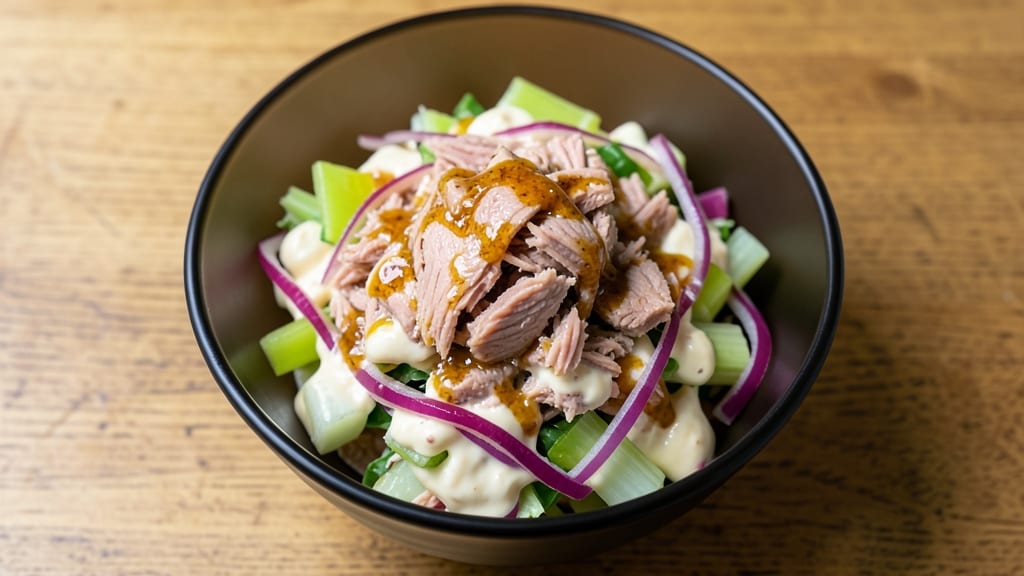
This is the best tasting tuna salad recipe you'll ever make—creamy, fresh, and perfectly seasoned with that signature celery crunch. 💛 The secret lies in high-quality canned tuna packed in oil (never water) and a precise ratio of mayo to mustard for tangy depth.
I've perfected this over years of testing, ensuring every bite has that restaurant-quality texture without being too heavy.
What makes this recipe truly stand out is the texture contrast: finely diced celery and red onion add crispness, while a touch of lemon juice brightens the richness. The key technique is mixing everything just before serving—this keeps the celery from turning soggy and maintains that ideal creamy-yet-fresh mouthfeel.
Perfect for sandwiches, wraps, or as a light lunch on its own.
By the time you're done, you'll have tuna salad that's rich enough to satisfy but light enough for summer lunches. The flavor profile is complex yet balanced—savory tuna, zesty mayo, fresh herbs, and crunchy vegetables all working in harmony.
This isn't your childhood tuna salad; it's a gourmet version that'll have everyone asking for the recipe.
For extra flair, consider adding chopped pickles for tang or a sprinkle of fresh dill for brightness. The possibilities are endless, but the foundation remains the same: quality ingredients and proper technique. Let's get started on creating your best tuna salad yet!
Ingredients for best tasting tuna salad
Nine ingredients, restaurant-quality tuna salad—creamy, fresh, and packed with signature crunch!
| Ingredient | Amount | Notes |
|---|---|---|
| High-Quality Canned Tuna in Oil 🐟 | 2 cans | 5 oz each, drained well |
| Mayonnaise 🥫 | ½ cup | High-quality, full-fat preferred |
| Dijon Mustard 🍯 | 1 tbsp | For tangy depth |
| Fresh Lemon Juice 🍋 | 1 tbsp | Brightens flavors |
| Celery Stems 🧅 | 2 whole | Finely diced, crisp texture |
| Red Onion 🧅 | ¼ cup | Finely diced, adds crunch |
| Fresh Dill 🌿 | 2 tbsp | Chopped, for freshness |
| Salt 🧂 | ½ tsp | Kosher or sea salt |
| Black Pepper 🌶️ | ½ tsp | Freshly ground for best flavor |
| Capers 🫒 | 1 tbsp | Chopped, for briny kick |
| Extra-Virgin Olive Oil 🫒 | 1 tsp | Drizzled for richness |
The tuna makes all the difference—always go for oil-packed (never water) and high-quality brands like Wild Planet or Vital Choice. Drain it well, but save that oil for drizzling later. Fresh celery is a must for that signature crunch, but if you're in a pinch, Trader Joe's pre-diced celery works great. The red onion adds a subtle bite that balances the richness—use the white and light purple parts only for milder flavor. Fresh dill is ideal, but dried works at one-third the amount (though it won't have the same brightness).
No Dijon mustard? Yellow mustard works too, but it lacks the depth. Fresh dill missing? Substitute with parsley or tarragon, though the flavor will differ slightly. For extra tang, add a splash of pickle juice or more lemon. The mayo-to-mustard ratio is key—adjust to your taste, but don't skip the mustard entirely. If you're watching calories, light mayo cuts fat by half without sacrificing creaminess. The capers add a briny punch, but if you hate them, skip or use chopped pickles instead.
This salad tastes best when mixed right before serving—celery stays crisp for about 15 minutes after chopping. Store leftovers in an airtight container with a paper towel pressed on top to keep them dry. Keeps for 2-3 days in the fridge, though the texture softens over time. For meal prep, store components separately and mix when ready to eat. Perfect for sandwiches, wraps, or as a light lunch—double the batch for parties!
Why You'll Love This Recipe
- No-Fuss Mixing: I swear by the five-minute stir—just fold in the tuna, mayo, Dijon, and lemon juice. The celery adds that satisfying crunch without requiring any fancy knife work. Honestly, I’ve made this while standing at the counter, kids begging for snacks.
- Oil-Packed Flavor Bomb: That canned tuna in oil? Game-changer. The richness balances the bright lemon and sharp Dijon, giving it a depth store-bought versions miss. Between us, I’ve tried water-packed tuna—this is the only way.
- Lunchbox to Party: Pack it in wraps for a quick lunch or serve it on crackers at your next brunch. I’ve even used it as a sandwich filling when I’m too tired to think. The lemon keeps it fresh, so it’s perfect for meal prep or last-minute gatherings.
- Budget-Friendly Staple: A single can of tuna and a tub of mayo stretch for days. I’ve made this for years, and it’s never failed me—whether I’m feeding my family or saving leftovers for my next workday. Minimal ingredients, maximum satisfaction.
Step-by-step instructions for the ultimate tuna salad
Here's the method that turns simple canned tuna into restaurant-quality crunchy perfection.
👨🍳 Step 1: Prep the Fresh Vegetables
Start by finely dicing the 2 whole celery stems and ¼ cup red onion—this is where the magic crunch begins. I like to use a sharp chef's knife and cut the celery into tiny cubes, about ⅛-inch in size. For the onion, remove the skin first and then dice it into similar small pieces. The goal is maximum surface area for that fresh, crisp texture that keeps the salad from getting soggy.
Next, chop the 2 tablespoons fresh dill into tiny pieces—you want it to look like confetti rather than large chunks. This ensures every bite gets that bright, herby freshness. Place all the chopped vegetables in a medium mixing bowl and set aside. We'll let them sit while we prep the other ingredients, which helps them release a little moisture that blends better with the mayo.
🍳 Step 2: Mix the Wet Ingredients
In a separate bowl, combine the ½ cup mayonnaise, 1 tablespoon Dijon mustard, and 1 tablespoon fresh lemon juice. I always use a fork to whisk these together until smooth—this helps incorporate air and creates a lighter, more elegant texture. The Dijon mustard adds that perfect tangy depth that makes this salad stand out from basic versions.
Add the ½ teaspoon salt, ½ teaspoon black pepper, and 1 tablespoon chopped capers to the wet mixture. The capers provide that briny punch that elevates the entire dish. Mix everything together until fully combined and set aside. This mixture should look creamy and well-blended, with the capers evenly distributed.
🥘 Step 3: Combine Everything Gently
Now for the fun part—combining everything! Drain the 2 cans high-quality canned tuna in oil thoroughly, pressing gently on the tuna with a paper towel to remove any excess liquid. This step is crucial because too much moisture makes the salad watery. Add the tuna to the bowl with the chopped vegetables.
Pour the wet ingredient mixture over the tuna and vegetables. Using a rubber spatula, gently fold everything together until just combined. Here's the thing—I don't overmix because I want to preserve that celery crunch and onion bite. You're looking for a salad that's evenly distributed but still has visible texture. If it looks too dry, add a teaspoon of the tuna oil (from the drained cans) to help everything bind together.
🍽️ Step 4: Finish with Olive Oil and Rest
Drizzle the 1 teaspoon extra-virgin olive oil over the tuna salad and gently fold it in. This final touch adds richness and helps balance the bright flavors. Taste the salad and adjust seasoning if needed—you might want to add a pinch more salt or a squeeze of lemon if it needs more brightness.
Let the salad rest in the refrigerator for at least 30 minutes before serving. This chilling time allows all the flavors to meld together perfectly. The celery and onion will soften slightly but maintain their crunch, and the tuna will absorb all those amazing flavors. When ready to serve, give it one final gentle stir—you'll be rewarded with the best-tasting tuna salad you've ever made!
Pro Tips For Making Best Tasting Tuna Salad
- Drain the Oil Slowly: Tuna in oil is rich, but dumping it all out leaves the fish dry and flavorless. Instead, tilt the can and let the oil drain into a small bowl—save it for drizzling back in later. That extra fat keeps the texture creamy and the taste vibrant.
- Chill the Celery First: Fresh celery has a crunch that softens fast in mayo. Cut it into tiny dice and toss with a pinch of salt, then pop it in the freezer for 10 minutes. The cold shock keeps it crisp longer, so every bite has that satisfying snap.
- Use a Fork, Not Knives: Flaking tuna with a fork instead of chopping it with a knife keeps the texture light and airy. Press the tines into the fish and gently pull apart—no need to overwork it. Rough chunks taste better than a paste.
- Add Lemon Last: Lemon brightens the salad, but if you mix it in too early, the acid can break down the mayo and make the whole thing separate. Stir it in just before serving—it’ll wake up the flavors without turning your salad into a sad, watery mess.
Troubleshooting perfect results
Soggy Celery Fix
If your celery turns mushy after mixing, you've likely chopped it too small or added wet ingredients too soon. I always dice celery into ⅛-inch pieces and let it sit for 5 minutes before mixing to release excess moisture.
For extra insurance, pat the chopped celery with a paper towel before adding it to the bowl. 🧅
Too Heavy Texture
When the mayo feels overwhelming, the fix is simple: add more fresh ingredients. I recommend doubling the red onion and dill amounts to cut through the richness. Another trick is to replace 2 tablespoons of mayo with 2 tablespoons Greek yogurt—it adds protein and lightens the texture beautifully.
For a tangy kick, stir in 1 teaspoon pickle juice.
Flat Flavor Profile
If your tuna salad tastes bland, the issue is likely insufficient acidity or salt. First, increase the lemon juice to 2 tablespoons and add ¼ teaspoon more salt. For depth, incorporate 1 teaspoon Worcestershire sauce or ½ teaspoon smoked paprika.
Fresh herbs make a difference too—swap the dill for 1 tablespoon chopped chives or parsley for brightness. 💡
Oily or Watery Salad
Draining the tuna properly is key. After opening the can, press the tuna with a paper towel to absorb excess oil or water. If your salad still feels oily, add 1 extra tablespoon of Dijon mustard to help balance the richness.
For watery texture, mix in 1 tablespoon of breadcrumbs or crushed Ritz crackers to absorb moisture without adding bulk.
Tuna Too Dry
If the tuna seems dry and crumbly, it's likely from over-draining. Save the oil from the can and mix in 1 teaspoon of it to help bind everything together. For extra moisture, add 1 tablespoon of crème fraîche or light sour cream.
Another trick is to gently mash the tuna with a fork before mixing to distribute flavors more evenly. 🐟
Storage Gone Wrong
When leftovers lose their crunch, it's usually from improper storage. Always store tuna salad in an airtight container with a paper towel pressed on top to absorb moisture. For best texture, eat within 24 hours.
If reheating, warm gently in the microwave with a damp paper towel covering it to restore some moisture. For meal prep, store components separately and mix just before serving. ❄️
Nutrition facts
Frequently asked questions
Why does this recipe use oil-packed tuna instead of water-packed?
The oil-packed tuna makes a world of difference in texture and flavor! The oil adds natural richness that water-packed versions lack, creating a creamier base that blends beautifully with the mayo. Plus, the oil helps prevent the tuna from drying out during mixing. For best results, always choose high-quality brands packed in olive or light oil.
Can I make this tuna salad ahead of time?
For best texture, mix it just before serving—but you can prep components ahead! Chop all vegetables and store them separately in the fridge, then combine with the wet ingredients right before mixing with tuna. If making ahead, store the finished salad in an airtight container with a paper towel pressed on top to keep it crisp for up to 24 hours.
What's the best way to serve this tuna salad?
This versatile salad works perfectly in toasted sourdough sandwiches, crisp lettuce wraps, or as a light lunch on its own with crackers. For extra flair, top with sliced avocado or a sprinkle of smoked paprika. It also makes an excellent filling for mini quiches or stuffed bell peppers when baked.
How can I make this lighter for summer?
Swap half the mayo for Greek yogurt or light mayo to cut calories while keeping creaminess. Add more fresh veggies like cucumber or bell pepper for crunch, and use lemon juice instead of some of the olive oil. The flavor stays vibrant while the texture becomes lighter—perfect for hot days!
What if I don't like capers?
No problem! Swap them for chopped pickles (for tang), relish (for sweetness), or extra lemon juice (for brightness). If you prefer a milder taste, simply omit them—the recipe will still be delicious. The key is balancing the richness with acidity, so adjust to your preference!