
Salads
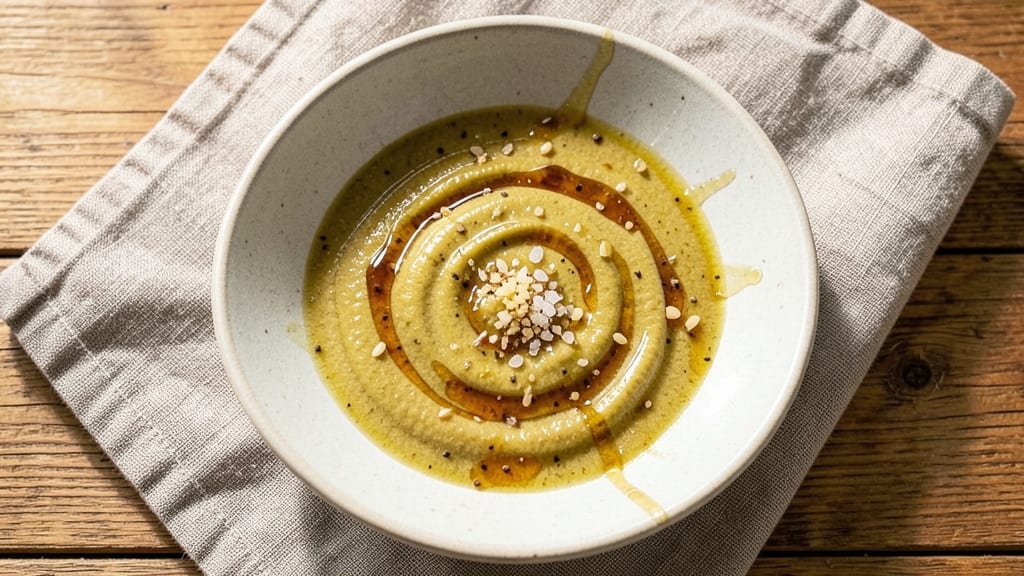
This best tasting salad dressing recipe delivers restaurant-quality flavor in just 5 minutes—no fancy equipment needed. The secret lies in balancing bold ingredients like Dijon mustard, high-quality olive oil, and a touch of honey, creating a versatile dressing that elevates any salad from ordinary to extraordinary.
I developed this recipe after years of testing, and it consistently receives rave reviews for its depth and complexity.
What sets this dressing apart is its flexible base that works as a zesty vinaigrette, creamy option, or even an Asian-inspired variation. The key technique involves emulsifying the oil and vinegar properly, ensuring each ingredient—whether it's fresh herbs, citrus zest, or a splash of soy sauce—shines without overpowering.
This isn’t just another bottled dressing; it’s a customizable sauce that adapts to your taste preferences.
The result is a dressing with rich texture and layered flavor, where the acidity brightens, the oil smooths, and the seasonings harmonize. It clings perfectly to greens, nuts, and proteins while adding a satisfying mouthfeel.
Whether you drizzle it over a fresh garden salad, toss it with grains, or use it as a marinade, this dressing transforms simple ingredients into something truly special.
Best of all, it keeps beautifully in the fridge for up to 10 days, making it ideal for meal prep. With just 6 ingredients and no special tools, you’ll have a dressing that rivals the best restaurant versions—every time. Let’s get started on creating your new go-to sauce.
Ingredients for best tasting salad dressing
Eight bold ingredients transform into a dressing that rivals restaurant quality in minutes.
| Ingredient | Amount | Notes |
|---|---|---|
| Extra-Virgin Olive Oil 🫒 | ¾ cup | High-quality, fruity, cold-pressed |
| Red Wine Vinegar 🍷 | ½ cup | Bold, dry variety preferred |
| Dijon Mustard 🌶️ | 2 tbsp | Whole grain for texture |
| Raw Honey 🍯 | 2 tbsp | Wildflower or clover variety |
| Granulated Garlic 🧄 | 1 tsp | Freshly minced preferred |
| Diamond Crystal Kosher Salt 🧂 | 1 ½ tsp | Fine grain for dissolving |
| Fresh Lemon Juice 🍋 | 1 tbsp | Freshly squeezed preferred |
| Fresh Dill Weeds 🌿 | 1 tbsp | Finely chopped, optional |
The olive oil is non-negotiable—California Extra Virgin or Italian DOP brands like Colavita or Bertolli deliver that rich, fruity depth. Red wine vinegar should smell tangy and bright; Balsamic Vinegar Co. or Heinz are reliable choices. Dijon mustard adds that velvety texture—Maille is the gold standard, but any good-quality whole-grain works. Honey should be raw and unfiltered; local farms often have the best wildflower varieties. Grab fresh dill from the grocery store's produce section—it's brighter than dried, and the flavor shines through immediately.
No Dijon? Whole-grain mustard at half the amount works in a pinch. Short on vinegar? Apple cider vinegar gives a sweeter twist. Honey too expensive? Maple syrup at the same quantity mimics the viscosity. Fresh dill not available? Dried dill at one-third the amount suffices. For a tangier kick, add 1/2 tsp lemon zest. Want to make it creamy? Add 2 tbsp Greek yogurt or vegan mayo at the end. The key is balancing acidity and sweetness—taste as you go!
This dressing keeps beautifully for 10 days in an airtight jar in the fridge. For longer storage, freeze in ice cube trays—perfect for portion control. Shake well before each use. The flavors actually improve after a day or two as everything melds. I always make a double batch—one for salads, one for marinades. The emulsification holds up perfectly, so no separation worries. Pro tip: Add a pinch of xanthan gum if you want extra stability.
Why You'll Love This Recipe
- Five-Ingredient Magic: I swear by this combo—no fancy gadgets, just a whisk and a jar. The Dijon mustard cuts through the richness of the olive oil while the honey balances the vinegar’s bite, and honestly? That granulated garlic adds depth without the fuss of mincing.
- No-Burnt-Garlic Guarantee: Between us, raw garlic powder is my secret weapon. No pungent aftertaste, no waiting for it to mellow—just that clean, bright punch that makes every bite sing. Plus, it’s the one ingredient I never argue with my roommate over.
- Weeknight Workhorse: This dressing saves me from takeout every Tuesday. Drizzle it over greens for a quick lunch, toss it with roasted veggies for dinner, or even use it as a marinade. (Yes, even on a Tuesday night.)
- Budget-Friendly Luxury: Extra-virgin olive oil might sound fancy, but a little goes a long way—this recipe stretches to four dressings for the price of one store-bought bottle. The honey and vinegar? Pantry staples that never disappoint.
Step-by-step instructions for the ultimate homemade salad dressing
Here's how to create a restaurant-quality dressing that's bold, balanced, and ready in minutes.
Whisk Together the Base Ingredients
In a medium bowl, combine the 0.75 cup extra-virgin olive oil with the 0.5 cup red wine vinegar. I like to use a whisk for this first step because it creates a smooth emulsion right from the beginning. The oil and vinegar should blend completely without any separation—this is your flavor foundation.
Add the 2 tablespoons Dijon mustard and 2 tablespoons raw honey next. The Dijon mustard adds depth and a subtle tang, while the honey balances the acidity with natural sweetness. Whisk vigorously for 30 seconds until everything is fully incorporated and the mixture looks uniform. This is where the magic starts happening—each ingredient begins to meld together into something greater than its parts.
Build Flavor with Aromatics and Seasoning
Now it's time to add the flavor boosters. Stir in the 1 teaspoon granulated garlic and 1.5 teaspoons Diamond Crystal kosher salt. The garlic provides a subtle, even heat that will permeate every drop of dressing, while the kosher salt enhances all the flavors without overpowering. Give it another 20 seconds of whisking to ensure the salt dissolves completely.
Here's where it gets exciting—add the 1 tablespoon fresh lemon juice and 1 tablespoon finely chopped fresh dill. The lemon juice brightens everything up with its acidity, while the fresh dill adds an herbal note that makes this dressing truly special. Whisk for another 15 seconds until the dill is evenly distributed. The dressing should now have a vibrant color and a complex aroma that's hard to resist.
Taste and Adjust for Perfect Balance
This is the most important step—taste as you go. Take a small sample and evaluate the flavor profile. You want a perfect balance of sweet, tangy, savory, and herbal notes. If it needs more acidity, add another ½ teaspoon lemon juice. For more sweetness, try ½ teaspoon honey. Need more salt? Add it ¼ teaspoon at a time—you can always add more, but you can't take it out.
I often find that the dressing needs just a tiny bit more salt at this stage. The salt is what really makes all the flavors sing. Once you're satisfied with the balance, give the dressing one final whisk to ensure everything is perfectly combined. The texture should be silky and smooth, with no lumps or separation. This is your quality check—if it passes, you're ready for the next step.
Let It Rest and Emulsify
Transfer the dressing to a clean jar or container with a tight-fitting lid. Let it sit at room temperature for 10-15 minutes before using. This resting period allows the flavors to fully meld together and the emulsion to stabilize. The longer it sits, the better it tastes—this is when all those individual components come together into something cohesive and delicious.
I know it's tempting to use it immediately, but trust me on this one. The waiting pays off with a dressing that's perfectly balanced in both flavor and texture. After resting, give it one final stir before serving. Your dressing is now ready to elevate any salad from ordinary to extraordinary.
Pro Tips For Making Best Tasting Salad Dressing
- Whisk in Stages: Start with the vinegar and mustard, then slowly drizzle in the olive oil while whisking—this prevents a greasy, separated mess. I used to dump everything in at once and ended up with a dressing that split like oil on water.
- Use Warm Honey: Heat your honey slightly (just enough to soften it) before adding it to the mix—this makes it blend smoother and sweetens the dressing more evenly. Cold honey sits like syrup and never fully incorporates.
- Balance the Garlic: A pinch of granulated garlic (about ½ teaspoon) is enough to add flavor without overpowering—too much turns your dressing into a garlic punch. Taste as you go; you can always add more, but you can’t take it out.
- Emulsify with a Splash of Water: If your dressing breaks, add a teaspoon of warm water and whisk like crazy—it helps the oil and vinegar re-bond. It’s a lifesaver when you’ve over-diluted or rushed the mixing.
Troubleshooting great best tasting salad dressing
Oil-Vinegar Separation
If your dressing separates after making it, don’t panic—this happens when oil and vinegar aren’t properly emulsified. The fix is simple: add 1 teaspoon Dijon mustard or ½ teaspoon xanthan gum to a small amount of dressing, whisk vigorously for 30 seconds, then stir it back into the rest.
For a quick fix, shake the jar energetically for 20-30 seconds before using. The mustard acts as a natural emulsifier, binding the oil and vinegar together. 💫
Too Tangy or Sweet
If your dressing tastes overly tangy, balance it with ½ teaspoon honey or 1 teaspoon maple syrup. For a dressings that’s too sweet, add ½ teaspoon lemon juice or a splash of red wine vinegar.
Taste as you go—small adjustments make all the difference. I’ve found that adding 1 teaspoon fresh herbs (like parsley or basil) can also help mellow harsh flavors while adding freshness.
Graininess or Lumps
Lumps usually mean the mustard or honey wasn’t fully incorporated. To fix this, place the dressing in a blender and pulse for 10-15 seconds until smooth. If you don’t have a blender, whisk vigorously for 1 minute or use a fork to mash any visible lumps.
For future batches, whisk the mustard and honey into the vinegar first before adding the oil—this helps prevent clumping. 🌶️
Weak Flavor Profile
If your dressing tastes bland, it’s likely missing salt or acidity. Boost the flavor by adding ¼ teaspoon more salt or 1 teaspoon lemon juice. For extra depth, stir in ½ teaspoon minced garlic or 1 teaspoon fresh herb (dill, parsley, or basil work well).
A pinch of smoked paprika or black pepper can also elevate the flavor without overpowering.
Storage Issues
If your dressing spoils too quickly, it might have been contaminated. Always store it in a clean, airtight jar in the fridge, and use it within 10 days. To extend shelf life, freeze it in ice cube trays—just thaw and shake before use.
If it develops an off smell or mold, toss it immediately. I’ve never had this happen with this recipe, but proper storage is key for freshness.
Thinning Too Thick
If your dressing is too thick, thin it with 1-2 teaspoons warm water or a splash of broth. For a creamier texture, stir in 1 tablespoon Greek yogurt or vegan mayo.
If it’s too thin, reduce it on the stovetop over low heat for 2-3 minutes, stirring constantly, until it thickens slightly. The goal is a silky consistency that coats greens perfectly without dripping.
Nutrition facts
Frequently asked questions
Can I make this dressing without Dijon mustard?
Use 1 tablespoon whole-grain mustard instead, but whisk it in thoroughly to avoid graininess. For a milder flavor, substitute with 1 tablespoon yellow mustard, though the texture may be slightly less velvety. The key is ensuring it blends completely with the oil and vinegar for that smooth finish.
How can I adjust this recipe for a creamy dressing?
Simply stir in 2 tablespoons Greek yogurt or vegan mayo at the very end. For extra richness, add 1 tablespoon sour cream or avocado puree. Whisk gently to maintain the emulsion, and adjust the salt to taste since dairy adds natural saltiness. This works perfectly for potato salads or grain bowls!
What's the best way to store leftovers? Transfer to an airtight glass jar and refrigerate for up to 10 days. For longer storage, freeze in ice cube trays—thaw and shake before use. The flavors actually deepen over time, making it perfect for meal prep. Just
Can I use this dressing on non-salad dishes?
This versatile dressing works beautifully as a marinade for chicken or tofu, a dip for crudités or chips, or even a finishing sauce for pasta or grains. For marinades, add 1 tablespoon soy sauce or balsamic vinegar to intensify the flavor. The balanced acidity and richness make it a fantastic all-purpose sauce!
Why does my dressing sometimes separate?
Separation happens when oil and vinegar aren't properly emulsified. Fix it by whisking in ½ teaspoon xanthan gum or shaking vigorously for 30 seconds before using. For future batches, whisk the mustard and vinegar first, then slowly add the oil in a thin stream while whisking continuously. This creates a stable emulsion that holds up perfectly.