Salads
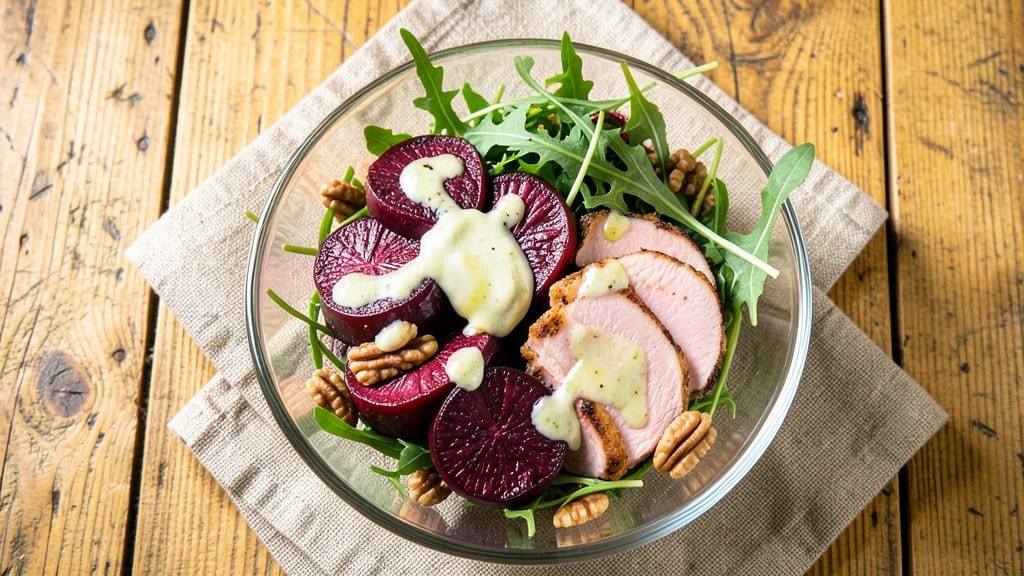
This beet tuna salad recipe transforms a classic with bold, unexpected flavors that elevate both ingredients. The deep earthiness of roasted beets pairs perfectly with flaky, protein-rich tuna, creating a balance of textures and tastes that's both sophisticated and approachable.
What makes this dish truly special is how the natural sweetness of the beets complements the ocean freshness of the tuna, resulting in a salad that's as visually striking as it is delicious.
The process is straightforward yet precise—roasting the beets until tender and caramelized, searing the tuna to achieve the perfect texture, and assembling everything with complementary ingredients like crisp greens, toasted nuts, and a bright citrus vinaigrette.
This isn't just a salad; it's a complete dish that brings together the best of both land and sea in every bite.
By the time you're done, you'll have a salad that's vibrant, hearty, and packed with flavor—ideal for a light lunch or a refreshing side dish. The roasted beets add a natural sweetness that contrasts beautifully with the savory tuna, while the dressing ties everything together with a zesty finish.
This recipe is designed to impress without being overly complicated, making it perfect for both weeknight dinners and special occasions.
The plating is just as important as the taste—think of the deep red beets and flaky tuna arranged artfully on a bed of greens, with a sprinkle of nuts or herbs for added texture and color.
Whether you're serving this as a main dish or a side, it's sure to become a favorite in your rotation. Let's get started on creating this unique and flavorful beet tuna salad.
Ingredients for beet tuna salad
Earthy beets meet ocean-fresh tuna in this vibrant, hearty salad that's perfect for lunch or special occasions.
| Ingredient | Amount | Notes |
|---|---|---|
| Medium Beets 🍠 | 2 whole | Roasted until tender, peeled |
| Albacore Tuna Steak 🐟 | 1 lb | Sushi-grade, thinly sliced |
| Extra-Virgin Olive Oil 🫒 | ¼ cup | For roasting beets and dressing |
| Balsamic Vinegar 🍶 | 2 tbsp | For roasted beets glaze |
| Baby Arugula 🌿 | 4 cups | Fresh, crisp leaves |
| Pecans 🥜 | ½ cup | Toasted, roughly chopped |
| Red Onion 🧅 | ¼ whole | Thinly sliced, for crunch |
| Lemon Juice 🍋 | 2 tbsp | Freshly squeezed |
| Dijon Mustard 🌶️ | 1 tbsp | For vinaigrette |
| Honey 🍯 | 1 tbsp | For vinaigrette balance |
| Salt 🧂 | 1 tsp | Kosher or sea salt |
| Black Pepper 🌶️ | ½ tsp | Freshly ground |
| Fresh Dill 🌿 | ¼ cup | Chopped, for freshness |
| Crumbled Feta Cheese 🧀 | ¼ cup | Optional, for tangy bite |
The beets are the star here—organic, pre-washed beets from Whole Foods or Trader Joe's roast to caramelized perfection. Look for medium-sized ones; they're sweeter and more tender. The tuna should be sushi-grade albacore—ask your fishmonger for the freshest cut. If you can't find albacore, yellowfin works too. For extra depth, add a pinch of smoked paprika to the roasting oil. The pecans? Trader Joe's has the best value—just toast them in a dry pan until fragrant.
No balsamic vinegar? Apple cider vinegar with a pinch of sugar works in a pinch. Short on honey? Maple syrup gives similar sweetness. The feta is optional but adds that tangy contrast—Olympos brand is my go-to for creamy texture. If you're skipping the cheese, boost the dill to 0.5 cup for freshness. The arugula should be baby leaves; they're tender and pack more flavor. And if you're feeling fancy, toast the pecans with a drizzle of maple syrup for extra richness.
Roasted beets keep 5 days in the fridge, wrapped tightly in foil. The tuna salad should be eaten within 2 days for best texture—store the dressing separately. For make-ahead prep, roast the beets and toast the pecans a day ahead. The dressing can be made 3 days in advance—just stir before serving. This salad tastes even better the next day as flavors meld. Serve chilled or at room temperature for the best contrast.
Why You'll Love This Recipe
- No-Cook Magic: I swear by this when I’m too tired to chop. Roast the beets ahead (or grab pre-cooked ones), flake the tuna, and toss with olive oil and vinegar—done. The arugula adds crunch without extra work.
- Lunchbox Hero: Between us, this is my go-to for packed lunches. The tuna stays fresh for days, and the beets add color so it doesn’t look like sad, boring office food. (Yes, even on a Tuesday night.)
- Budget Brightener: Albacore tuna is pricier, but a single steak stretches into two servings. Add roasted beets and arugula, and suddenly you’ve got a fancy-feeling meal without breaking the bank. Leftovers? Even better.
Step-by-step instructions for beet tuna salad
Here's how to combine vibrant roasted beets with fresh albacore for a salad that's bold, balanced, and bursting with texture.
Roast the Beets Until Tender and Glazed
Preheat your oven to 400°F and line a baking sheet with parchment paper. Pierce the 2 whole medium beets all over with a fork, then rub them with 1 tablespoon of the extra-virgin olive oil. Place them directly on the baking sheet and roast for 45-50 minutes until they're fork-tender and the skins are easily peeled away.
Here's the thing—when they're done, the beets should feel soft enough to squish between your fingers with gentle pressure. For extra flavor, brush them with 2 tablespoons balsamic vinegar during the last 10 minutes of roasting. This creates a natural glaze that adds sweet-tart depth. Let them cool completely before peeling and chopping into ½-inch cubes—you'll want them cool enough to handle when assembling the salad.
Prepare the Tuna and Toast the Pecans
While the beets roast, slice the 1 lb albacore tuna steak into ¼-inch thick pieces. Arrange them on a plate and gently press down with your palm to create an even surface. Sprinkle with ½ teaspoon salt and ¼ teaspoon black pepper, then let them sit at room temperature for 10 minutes—this ensures even cooking.
In a dry skillet over medium heat, toast the ½ cup pecans for 3-4 minutes until they're fragrant and lightly golden. Watch them closely—they burn fast! Transfer them to a cutting board and roughly chop them with a knife. The toasted pecans add a satisfying crunch that contrasts beautifully with the tender tuna and beets. Set them aside to cool slightly before adding to the salad.
Create the Bright Lemon-Honey Dressing
In a small bowl, whisk together the remaining 1 tablespoon extra-virgin olive oil, 2 tablespoons lemon juice, 1 tablespoon Dijon mustard, and 1 tablespoon honey. This dressing is the secret to balancing the earthy beets and rich tuna. Start with ½ teaspoon salt and ¼ teaspoon black pepper, then taste and adjust—you want it bright but not overpowering.
Here's where it gets fun—the dressing should coat the back of a spoon with a silky texture. If it's too thick, add 1 teaspoon water at a time until it reaches your desired consistency. The honey and Dijon mustard create a perfect bridge between the sweet beets and the oceanic tuna, while the lemon keeps everything fresh.
Assemble the Salad with Crunch and Freshness
In a large bowl, combine the 4 cups baby arugula, chopped roasted beets, and thinly sliced ¼ whole red onion. The arugula's peppery bite cuts through the richness of the tuna and beets beautifully. Drizzle half of the dressing over the greens and toss gently just until everything is evenly coated.
Add the sliced tuna, toasted pecans, and ¼ cup chopped fresh dill to the bowl. The dill adds a bright herbal note that ties everything together. If using, sprinkle the ¼ cup crumbled feta cheese over the top for a tangy contrast. The feta isn't mandatory but adds a nice salty bite that balances the sweetness of the beets and honey.
Serve Immediately for Maximum Freshness
Toss the salad gently one final time right before serving to preserve the crunch of the pecans and arugula. Divide among 4 plates and drizzle with the remaining dressing. The salad should be vibrant with deep red beets, glossy tuna slices, and bright green arugula.
This dish shines when served immediately, but if you need to prep ahead, keep the tuna and dressing separate until the last minute. The beets and greens can be prepped in advance and stored in the fridge for up to 2 days. The contrast of textures—creamy tuna, crisp pecans, tender beets, and peppery greens—makes every bite exciting. Serve with crusty bread to soak up any extra dressing!
Pro Tips For Making Beet Tuna Salad
- Roast Beets Until Tender: I learned this the hard way—undercooked beets turn to mush when tossed with tuna. Wrap them in foil with a drizzle of olive oil and roast at 400°F (200°C) for 45–55 minutes, until a knife slides in like butter. Pierce them first with a fork so they don’t explode in the oven.
- Peel Beets When Cool: Hot beets slip off knives like greased lightning. Run them under cold water for 2 minutes first, then peel with a paring knife—no peeling gloves needed. Cold beets stay put, and you’ll save your fingers from a trip to the ER.
- Drain Tuna Dry Before Mixing: Wet tuna makes the salad soggy faster than a paper bag in the rain. After flaking, press it between paper towels to squeeze out excess moisture. This keeps the arugula crisp and the texture light, not gloppy.
- Balance Vinegar with Oil: Balsamic vinegar is bold—too much and your salad tastes like a wine spill. For every tablespoon of vinegar, add 2 tablespoons of extra-virgin olive oil. The oil mellows the acid, and the salad stays cohesive instead of separating like a bad marriage.
Troubleshooting your beet tuna salad
Beets Too Soft
If your roasted beets turn out mushy instead of tender, you likely overcooked them. The ideal texture should be fork-tender but still hold its shape when sliced. For next time, reduce roasting time by 5-10 minutes and check at 35 minutes.
Wrap them in foil during the last 15 minutes to trap steam and prevent over-drying. I've found that medium beets (about 2 inches in diameter) roast best at 400°F for 40-45 minutes—set a timer to avoid burning.
Tuna Too Dry
Albacore tuna dries out quickly when overcooked, especially if sliced too thin. For perfect texture, sear the tuna in a hot skillet with 1 tablespoon olive oil for just 2-3 minutes per side until it reaches 125°F internal temperature.
Let it rest for 5 minutes before slicing into ¼-inch pieces. If your tuna turns out dry, try brushing it with 1 teaspoon lemon juice while cooking to keep it moist. I also recommend using a meat thermometer to avoid overcooking.
Dressing Too Thin
The lemon-honey dressing should coat the back of a spoon but not be watery. If yours is too thin, the honey may not have been fully incorporated. Whisk the honey into the warm olive oil (just 1 minute in the microwave) to help it emulsify better.
For a thicker dressing, reduce the lemon juice by 1 teaspoon or add ½ teaspoon Dijon mustard. If it's still too runny, let it sit for 10 minutes before using—sometimes the mustard thickens on its own. I've found that using local honey adds more body than store-bought varieties.
Salad Too Bland
A lack of contrast is the most common reason for blandness in this salad. First, check your seasoning: the dressing should have ½ teaspoon salt and ¼ teaspoon black pepper per serving. If it's still flat, add ½ teaspoon smoked paprika or a pinch of garlic powder to the dressing.
For extra depth, toss in 1 tablespoon capers or 1 teaspoon soy sauce with the tuna while cooking. The key is balancing sweet (beets), salty (feta or dressing), and umami (pecans or capers).
I always keep a small bowl of extra dressing on the table so guests can adjust to taste.
Pecans Burn Quickly
Pecans scorch faster than you might expect, especially in a hot pan. To prevent burning, toast them over medium-low heat instead of medium, and stir constantly with a wooden spoon. If they start to darken too quickly, remove the pan from heat and let them cool slightly before continuing.
For extra insurance, spread them out in a single layer on the baking sheet with the beets during the last 10 minutes of roasting. This method gives them a gentle toast without risking charring. I've also found that Trader Joe's pecans toast more evenly than store brands.
Onions Too Harsh
Red onions can overwhelm the delicate flavors if they're too strong. To mellow them, soak the thinly sliced onions in ½ cup cold water for 10 minutes before adding to the salad. This reduces their sharpness while keeping them crisp.
For an even milder flavor, use white onion instead—it's naturally sweeter and less pungent. I also recommend slicing them as thinly as possible (about 1/16-inch thick) so they blend into the salad without dominating.
If the onions still taste too harsh, reduce the amount to ¼ cup or omit them entirely.
Nutrition facts
Frequently asked questions
Can I use canned tuna instead of fresh albacore?
While fresh albacore gives the best texture, you can use high-quality canned tuna in a pinch. Opt for water-packed albacore (not oil-packed) and drain it thoroughly. For extra flavor, mix in 1 teaspoon lemon zest or ½ teaspoon smoked paprika with the drained tuna. The texture won't be as luxurious, but it still works well in the salad!
How do I make this salad ahead of time?
Roast the beets and toast the pecans 1 day ahead—they keep well in the fridge. Store them separately in airtight containers. Assemble the salad 4-6 hours before serving without the tuna, keeping the dressing separate. Add the tuna just before eating to maintain its freshness. The flavors actually improve overnight!
What if I don't like beets? Are there good substitutes?
Try roasted sweet potatoes or carrots for a similar sweetness and texture. For a different flavor profile, swap in roasted red peppers (jarred or fresh) or cherry tomatoes. If you prefer crunch, add ¼ cup diced cucumber or shaved fennel—both pair beautifully with tuna.
Is this salad safe to eat raw tuna?
Only if using sushi-grade albacore that's been properly handled. The recipe assumes cooked tuna for safety. If you prefer raw, ensure your tuna is freshly frozen at -4°F for 7 days or sushi-grade from a trusted source. Serve immediately after assembly and avoid leaving it at room temperature.
Can I make this gluten-free or dairy-free?
This recipe is naturally gluten-free. For dairy-free, simply omit the feta or use a vegan feta alternative. Check your Dijon mustard for gluten—most brands are safe, but verify if you're highly sensitive. The entire recipe is free of common allergens except for potential nuts (pecans).