
Salads
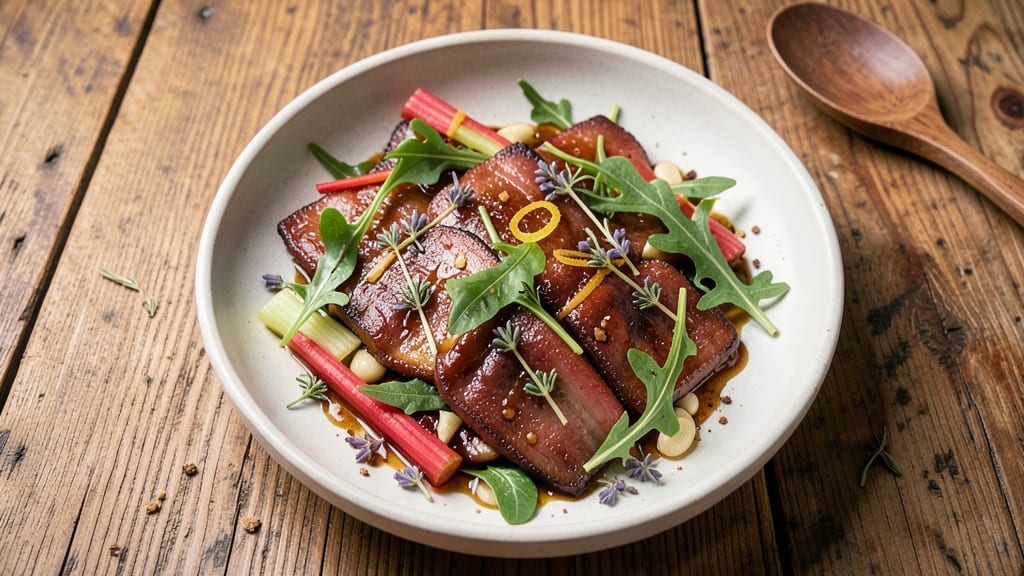
Beef tongue salad transforms a humble ingredient into a luxurious, silky-textured masterpiece that's both elegant and deeply satisfying. This recipe goes beyond simple preparation—it involves slow cooking, precise peeling, and a delicate balance of smoky, tangy flavors that elevate every bite. What starts as a tough cut becomes tender, flavorful slices perfect for a show-stopping salad.
The process begins with simmering the beef tongue until fork-tender, then peeling away the skin to reveal a surface ready for slicing. The smoky seasoning—garlic, thyme, and a touch of liquid smoke—infuses the meat with depth, while crisp celery crowns add a satisfying crunch.
This isn’t just a salad; it’s a culinary experience that pairs beautifully with bold flavors and rich textures.
By the time you assemble the dish, you’ll have perfectly sliced beef tongue draped over a bed of arugula, topped with crisp celery, and finished with a tangy vinaigrette. The result is a dish that’s both restaurant-worthy and surprisingly simple to prepare at home.
The key lies in patience—letting the tongue cook low and slow ensures it’s tender without losing its natural richness.
Serve this salad with a crisp white wine or a smoky cocktail to complement its bold flavors. It’s ideal for special occasions or when you want to impress without spending hours in the kitchen. Here’s how to create this luxurious dish step by step.
Ingredients for beef tongue salad
Silky beef tongue, crisp celery crowns, and smoky tangy flavors—just 13 ingredients for a restaurant-worthy salad.
| Ingredient | Amount | Notes |
|---|---|---|
| Beef Tongue 🥩 | 1 ½ lb | Fresh, uncooked, skin-on |
| Garlic Cloves 🧄 | 6 cloves | Fresh, peeled |
| Fresh Thyme 🌿 | ¼ cup | Stems removed, chopped |
| Liquid Smoke 🔥 | 1 tbsp | For smoky depth |
| Celery Stalks 🧅 | 3 whole | Fresh, crisp |
| Arugula 🌱 | 6 cups | Fresh, baby leaves |
| Red Wine Vinegar 🍷 | ¼ cup | For tangy dressing |
| Extra-Virgin Olive Oil 🫒 | ½ cup | High quality, fruity |
| Dijon Mustard 🌶️ | 1 tbsp | For dressing richness |
| Salt 🧂 | 1 ½ tsp | Kosher or sea salt |
| Black Pepper 🌶️ | ½ tsp | Freshly ground |
| Honey 🍯 | 1 tbsp | For subtle sweetness |
| Crispy Fried Onions 🧅 | ¼ cup | Store-bought or homemade |
The beef tongue is the star—look for fresh, uncooked cuts at Whole Foods or your local butcher. A 1.5 lb tongue serves four beautifully, but if you're feeding a crowd, grab a bigger one. The skin should be intact and the meat firm to the touch. Costco often carries them pre-packaged, but ask if they can trim off any excess fat. Fresh thyme is ideal, but dried works in a pinch (use half the amount). The liquid smoke is non-negotiable—it's what gives this dish that signature smoky depth that pairs perfectly with the rich beef.
No liquid smoke? Smoked paprika at double the amount gets you close, but it won't be quite the same. Fresh garlic is a must—it infuses the tongue with incredible flavor during cooking. For the dressing, any fruity olive oil works, but avoid the cheap stuff. The honey adds just enough sweetness to balance the tangy vinegar, so don't skip it. Celery crowns are fun to make—just slice the stalks into thin rounds and fry them until golden. No time for that? Store-bought crispy fried onions work in a pinch, but homemade is worth the effort.
Cooked beef tongue keeps in the fridge for 4-5 days once peeled and sliced, so make extra—it's perfect for sandwiches or charcuterie boards. Store the raw tongue in the coldest part of your fridge until ready to cook. The arugula stays fresh for 3-4 days if wrapped in a damp towel. This salad tastes even better the next day once the flavors meld together. Portion it out in containers for easy lunches, or serve it immediately for a show-stopping appetizer.
Why You'll Love This Recipe
- No-Cook Prep: I swear by this when I’m too tired to chop—just slice the pre-cooked tongue thin, toss with celery, and let the liquid smoke work its magic. Five minutes of effort, zero cleanup.
- Smoky Depth Explosion: That liquid smoke? It’s the secret weapon—turns simple beef tongue into something rich and smoky, like a BBQ joint in a bowl. The thyme ties it all together with a fresh, earthy kick.
- Lunchbox Legend: Between us, this is my go-to for packed lunches or potlucks. Keeps well for days, travels without a mess, and even my picky-eating coworker asks for seconds. (Yes, even on a Tuesday.)
- Budget Powerhouse: A single beef tongue feeds four, and the ingredients? Cheap as dirt. Garlic, celery, and herbs are pantry staples—this salad stretches your dollar without sacrificing flavor. Honestly, it’s my meal-prep savior.
Step-by-step instructions for silky, smoky beef tongue salad
Transform tough beef tongue into tender, smoky bites perfect for salads.
Prepare and Simmer the Beef Tongue
Start by trimming any excess fat from the 1.5 lb beef tongue, leaving just a thin layer. Place the tongue in a large pot and cover it completely with cold water. Add all 6 cloves of garlic cloves, the 0.25 cup fresh thyme, and the 1 tbsp liquid smoke. Bring to a boil over high heat, then reduce to a gentle simmer.
Simmer uncovered for 3 hours, skimming off any foam that rises to the surface. After 3 hours, check for doneness by inserting a fork - it should slide in easily. If not, continue simmering for another 30-60 minutes. The tongue should be fork-tender with no resistance. Drain and let cool completely before peeling off the skin, which should come off easily once cooked through.
Create the Smoky Dressing
In a small bowl, whisk together the 0.25 cup red wine vinegar, 0.5 cup extra-virgin olive oil, 1 tbsp Dijon mustard, 1 tbsp honey, 1.5 tsp salt, and 0.5 tsp black pepper. Start with a slow drizzle of the vinegar into the oil while whisking continuously to create a stable emulsion. Add the remaining ingredients and whisk vigorously until fully combined. Taste and adjust seasoning if needed - you want a balance of tangy, sweet, and savory flavors.
This dressing should be thick enough to coat the back of a spoon but still pourable. If it's too thick, add 1-2 teaspoons of water to loosen it. Set aside while you prepare the remaining salad components. The dressing will continue to emulsify as it sits, so don't worry if it separates slightly at first.
Assemble the Salad Base
While the tongue cools, prepare the salad base by washing and thoroughly drying all 6 cups of arugula. Spread the leaves on a large platter or serving dish, creating an even bed. The arugula should be dry to prevent the dressing from becoming watery when tossed.
Slice the 3 whole celery stalks into thin ribbons using a sharp knife. Arrange them artistically over the arugula bed, creating a crisp contrast against the tender tongue. Sprinkle the 0.25 cup crispy fried onions evenly over the top for added crunch and visual appeal. These elements together create the perfect textural foundation for your salad.
Slice and Arrange the Beef Tongue
Once the cooked beef tongue has cooled completely, carefully slice it into 1/4-inch thick slices against the grain. The tongue should be silky and tender, almost melting in your mouth. Arrange the slices in an overlapping pattern over the arugula bed, creating a visually appealing presentation. The tongue should be the star of this dish, so make sure it's prominently displayed.
Drizzle the smoky dressing generously over the entire salad, coating each component evenly. The dressing should glisten slightly, indicating it's been distributed properly. Toss gently just before serving to maintain the crispness of the celery and fried onions. This salad is best served immediately while all components are at their peak texture and temperature.
Pro Tips For Making Beef Tongue Salad
- Trim the Fat First: Before you even think about cooking, peel off that thick layer of fat from the tongue—it’s not just for looks. I used to skip this, and the texture ended up greasy instead of tender. Use a sharp knife and work carefully; the fat’s stubborn, but worth the effort.
- Simmer Low and Slow: Beef tongue needs patience—think 2 to 2.5 hours on low heat, not a quick boil. After the initial simmer, drop the heat so it’s barely bubbling, or you’ll end up with tough, stringy meat. Cover it loosely and let it do its thing.
- Don’t Drown the Thyme: Fresh thyme loses its punch when it’s boiled to death. Toss the sprigs in after the tongue is nearly done, or better yet, steep them in a separate cup of the cooking liquid for 10 minutes before adding it back. That way, the flavor stays bright, not bitter.
- Use Liquid Smoke Sparingly: A splash is enough—start with ½ teaspoon and taste. Too much, and your salad will taste like a campfire mishap. Add it to the dressing or a splash of the reserved cooking broth, not directly to the tongue while it’s cooking. Trust me, you’ll regret overdoing it.
Essential equipment for great beef tongue salad
Essential Cooking Tools
You'll need a large stockpot with a lid for cooking the beef tongue—look for one with a minimum 8-quart capacity like the All-Clad Stainless Steel Stockpot. A sharp chef's knife (I recommend Wüsthof Classic) is essential for slicing the tongue and celery crowns.
Don't skip a measuring spoon set—precisely measuring the 1 tbsp liquid smoke and 1 tbsp Dijon mustard makes all the difference in flavor balance. 🔪
Peeling and Slicing Gear
A peeler with a sturdy handle (like OXO Good Grips) makes removing the beef tongue skin effortless after cooking. For crisp celery crowns, a mandoline slicer (such as Julienne Mandoline) ensures even, paper-thin slices that fry perfectly.
If you don't own one, a sharp serrated knife works well. I also keep a tongs set handy for arranging the salad components without crushing the arugula.
Dressing Essentials
Whisking together the dressing requires a balloon whisk (I use Zyliss 3-in-1) to create a smooth emulsion between the red wine vinegar and olive oil. A small mixing bowl (like Pyrex 1.5-quart) keeps ingredients contained while whisking.
For adjusting consistency, a measuring spoons set helps add 1-2 teaspoons water if needed. A fine-mesh strainer (such as OXO Good Grips) comes in handy if you prefer your dressing completely smooth.
Frying and Serving
Crispy fried onions need a deep fryer or heavy-bottomed skillet (like Lodge Cast Iron) for even cooking. Maintain oil at 350°F using a candy thermometer (I love Thermoworks Thermapen). For serving, a large platter (such as Le Creuset Stoneware) showcases the salad beautifully.
A pair of salad tongs (like OXO Good Grips) makes plating effortless without breaking the celery crowns. 🍽️
Optional Upgrades
For a professional touch, a food mill (such as OXO Good Grips) can help shred the beef tongue into finer pieces if you prefer a different texture. A smoker (like Traeger Pellet Grill) can add extra smoky depth if you want to skip the liquid smoke.
I also keep parchment paper on hand for easy cleanup when arranging the salad components. These extras aren't necessary but elevate the experience.
Budget-Friendly Swaps
Skip the mandoline and use a sharp chef's knife for celery slices—just take your time. A whisk works fine for the dressing instead of a balloon whisk. For frying, a deep skillet suffices if you don't own a deep fryer.
The key tools—stockpot, knife, and whisk—are all available for under $50 at most kitchen supply stores. Focus on quality where it matters most: the knife and stockpot.
Nutrition facts
Frequently asked questions
How long should I cook the beef tongue for?
Simmer the beef tongue for 3 hours uncovered, skimming foam occasionally. It's done when it's fork-tender—no resistance should remain when pierced. If needed, extend cooking by 30-60 minutes for larger cuts. The skin should peel away easily once cooled.
Can I substitute liquid smoke with something else?
Yes! Use 2 tbsp smoked paprika instead of liquid smoke for a similar smoky flavor. For deeper flavor, add 1/2 tsp smoked salt to the simmering water. The texture won't be identical, but it works in a pinch.
How do I make the celery crowns extra crispy?
Slice celery into 1/8-inch thick rounds using a mandoline for even thickness. Fry at 350°F in oil for 2-3 minutes until golden. Drain on paper towels immediately to remove excess oil. For extra crunch, add a pinch of salt while still hot.
Will this salad keep well for leftovers?
Store cooked beef tongue in the fridge for 4-5 days in an airtight container. The salad itself tastes better the next day as flavors meld. Keep dressing separate until ready to serve to maintain crispness. Reheat sliced tongue gently in a pan before reassembling.
What's the best wine pairing for this dish?
A crisp Sauvignon Blanc or dry Riesling complements the smoky, tangy flavors perfectly. For red wine lovers, try a light Pinot Noir. The acidity in these wines cuts through the richness of the beef tongue beautifully.