
Salads
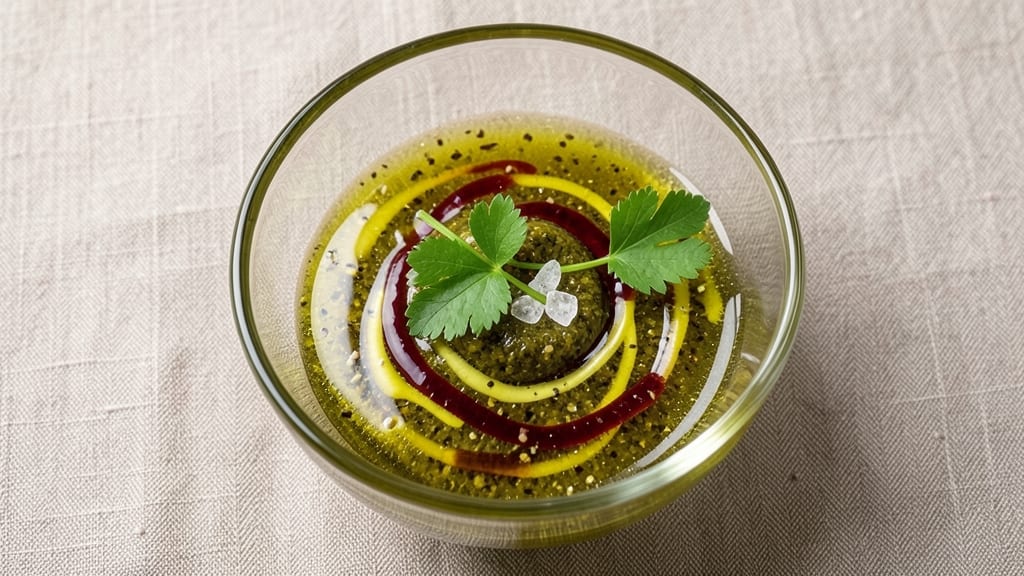
A basic salad vinaigrette recipe transforms ordinary greens into vibrant, flavorful bites with just five ingredients and minutes of effort. The secret lies in balancing bold vinegar with smooth oil, creating a dressing that clings perfectly to leaves while enhancing their natural sweetness.
This versatile formula works for everything from crisp romaine to hearty kale salads, and it keeps beautifully in the fridge for up to a week.
What sets this recipe apart is its simplicity—no fancy techniques or expensive ingredients required. The key steps involve whisking oil into vinegar gradually to create a stable emulsion, then finishing with Dijon mustard for subtle depth and a pinch of salt to round out the flavors.
The result is a dressing that's tangy yet refined, with just enough acidity to cut through rich ingredients like avocado or cheese.
Once mixed, this vinaigrette delivers restaurant-quality results at home, elevating even the most basic salad into a standout dish. The bright acid balance ensures every bite is fresh and satisfying, while the smooth texture coats greens evenly without overwhelming them.
Perfect for meal prep or last-minute dinners, this dressing adapts effortlessly to any salad combination or even as a marinade for grilled vegetables.
The beauty of this recipe lies in its adaptability—swap the vinegar for lemon juice for a brighter twist, or add fresh herbs for extra aroma. Store it in an airtight container in the refrigerator, and you'll always have a quick solution for turning wilted greens into a vibrant, flavorful meal.
Let's make this dressing the foundation of your next salad masterpiece.
Ingredients for basic salad vinaigrette
Five simple ingredients create a restaurant-quality vinaigrette that elevates any salad.
| Ingredient | Amount | Notes |
|---|---|---|
| Extra-Virgin Olive Oil 🫒 | ½ cup | High-quality, fruity variety |
| Red Wine Vinegar 🍷 | ¼ cup | Bold, dry vinegar preferred |
| Dijon Mustard 🌶️ | 1 tbsp | Mild or strong according to taste |
| Granulated Sugar 🍯 | 1 tsp | Or honey for subtle sweetness |
| Kosher Salt 🧂 | ½ tsp | Fine grain preferred |
| Fresh Garlic Clove 🧄 | 1 whole | Minced for subtle depth |
| Fresh Lemon Juice 🍋 | 1 tbsp | Optional for brightness |
The olive oil and vinegar are the heart of this dressing—look for extra-virgin olive oil with a fruity aroma and dry red wine vinegar for balanced acidity. Trader Joe's and Whole Foods carry excellent options, but any reputable grocery store will have solid choices. The Dijon mustard adds complexity, so don't skip it—even a mild variety improves texture and flavor. Fresh garlic and lemon juice are optional but recommended for depth; if you're short on time, omit them entirely without sacrificing quality.
No red wine vinegar? Apple cider vinegar or balsamic work in a pinch, though the flavor will differ slightly. Swap the sugar for honey or maple syrup if you prefer a more nuanced sweetness. The garlic can be pre-minced from a jar, but freshly minced adds a brighter punch. For a tangier dressing, increase the vinegar by 1/2 teaspoon—adjust to taste. If you're using this as a marinade, add 1 tablespoon of soy sauce for extra umami depth.
This vinaigrette keeps for up to 1 week in an airtight container in the fridge, though it's best used within 3-4 days for peak freshness. Shake or whisk before each use to re-emulsify the oil and vinegar. For meal prep, divide into small containers—perfect for individual salads or quick dressings. If the oil separates, simply whisk vigorously to recombine. The dressing also freezes beautifully for up to 3 months; thaw in the fridge and whisk to restore consistency.
Why You'll Love This Recipe
- Five-Ingredient Magic: I swear by this—just oil, vinegar, mustard, sugar, and salt. No fancy tools, no stress, and it’s ready before the lettuce wilts.
- Tangy Balance: That Dijon mustard cuts through the richness while the sugar softens the vinegar’s bite. Honestly, it’s the kind of dressing that makes even basic greens feel gourmet.
- Weeknight Workhorse: Drizzle it on roasted veggies, toss it with pasta, or use it as a marinade. I’ve had it in my fridge for days—still bright, still reliable.
- Budget Brilliance: A splash of good olive oil and a pinch of salt? This costs pennies but tastes like I spent hours. Between us, it’s my secret for stretching ingredients without sacrificing flavor.
Step-by-step instructions for perfect salad vinaigrette
This classic dressing comes together in minutes with the right technique.
Whisk Vinegar, Mustard, and Sweetener
In a small bowl, combine the 0.25 cup red wine vinegar, 1 tablespoon Dijon mustard, and 1 teaspoon granulated sugar. Whisk vigorously for 30 seconds until the sugar fully dissolves and the mixture becomes smooth. The sugar helps balance the acidity while adding subtle sweetness that rounds out the flavors.
Here's the thing—don't skip the whisking. The mustard needs to emulsify with the vinegar first, creating a stable base for the oil. If you see any undissolved sugar, keep whisking for another 10 seconds. This step ensures your dressing won't separate later, even after sitting for a while.
Add Salt and Garlic for Depth
Add the 0.5 teaspoon kosher salt and 1 minced garlic clove to the vinegar mixture. Whisk again for 20 seconds until fully incorporated. The salt enhances all flavors while the garlic adds subtle, aromatic depth that pairs beautifully with fresh greens.
I press the garlic through a fine-mesh strainer after mincing to avoid any texture surprises in your dressing. If you prefer a stronger garlic flavor, you can use 2 cloves instead of 1, but start with the recipe as written for balanced taste.
Gradually Incorporate the Olive Oil
With the whisk moving continuously, slowly drizzle in the 0.5 cup extra-virgin olive oil over 30-45 seconds. The key here is patience—adding the oil too quickly will cause the dressing to break. You're looking for a smooth, creamy emulsion that coats the back of a spoon.
If the dressing starts to look curdled or separates slightly, don't panic. Simply whisk vigorously for another 10-15 seconds. The mustard acts as an emulsifier, binding the oil and vinegar together. This gradual incorporation creates that signature silky texture we want in a proper vinaigrette.
Finish with Lemon Juice and Adjust Seasoning
Add the 1 tablespoon fresh lemon juice and whisk for another 15 seconds. This final addition brightens the dressing and prevents it from tasting flat. Taste and adjust seasoning—you might need a pinch more salt or sugar depending on your vinegar's acidity level.
For optimal flavor, let the dressing sit for 5 minutes before using. This resting period allows all the flavors to meld together. If you notice any separation after resting, simply whisk again before using. The dressing should be smooth and ready to elevate any salad you toss it with.
Pro Tips For Making Basic Salad Vinaigrette
- Whisk in Stages: Start by mixing the Dijon mustard and sugar with just 1 tablespoon of olive oil—this emulsifies the dry ingredients first. Then add the vinegar and salt, then the rest of the oil in a slow, steady stream while whisking like you’re trying to braid someone’s hair. I’ve ruined more vinaigrettes than I’ll admit by dumping all the oil in at once.
- Use Cold Ingredients: Measure your vinegar, mustard, and sugar straight from the fridge—cold ingredients blend smoother and prevent the mustard from turning into a greasy glob. I used to pull them out at room temp, and the result was always clumpy. Trust me, the salad will thank you.
- Salt Early, Salt Often: Taste the vinegar and mustard mixture before adding oil—you’ll need about ¼ teaspoon of salt here. Then, after emulsifying, add another pinch. The oil dilutes salt, so you’ll need more than you think. I learned this after making a vinaigrette so bland it tasted like salad dressing from a gas station.
- Shake It Up: If you’re short on time or patience, use a sealed jar instead of a bowl. Add ingredients in this order: vinegar, mustard, sugar, salt, then oil. Seal the lid and shake like you’re trying to wake someone up—10 seconds of vigorous shaking does the trick. It’s not as pretty, but it’s foolproof.
Best sauces and condiments for these flavors
Classic Variations
This basic vinaigrette becomes balsamic by replacing red wine vinegar with 2 tablespoons aged balsamic vinegar and reducing sugar to ½ teaspoon. For a herb-infused twist, add 1 tablespoon finely chopped fresh herbs like tarragon or thyme after whisking—just before using to preserve freshness. 🌿
Sweet and Tangy Twist
Swap granulated sugar for 1 teaspoon honey and add ½ teaspoon grated ginger for a ginger-honey vinaigrette that works beautifully with Asian-inspired salads. For a fruitier version, stir in 1 tablespoon finely diced shallot and 1 teaspoon orange zest—perfect for citrus salads.
The honey adds depth while keeping the dressing bright.
Spicy Kick Options
Add ½ teaspoon smoked paprika or ¼ teaspoon cayenne pepper for heat, but adjust carefully—vinegar already packs acidity. For a smoky profile, replace garlic with ½ teaspoon chipotle powder (adjust to taste).
I often make a spicy lime vinaigrette by doubling the lemon juice and adding ½ teaspoon chili flakes—ideal for tacos or grilled shrimp salads. 🌶️
Dairy-Based Upgrades
For a creamy variation, whisk in 2 tablespoons crème fraîche or Greek yogurt after adding oil. This works wonderfully with goat cheese salads or hearty greens like kale. For a parmesan twist, add 1 tablespoon freshly grated parmesan—the umami richness elevates the dressing instantly.
Store dairy versions in the fridge and use within 3 days for best texture.
Global Flavor Adaptations
Transform this into a Japanese-inspired dressing by replacing vinegar with 2 tablespoons rice vinegar and adding 1 teaspoon sesame oil plus ½ teaspoon soy sauce. For a Mediterranean touch, swap Dijon for 1 teaspoon capers and add 1 teaspoon dried oregano.
These adaptations keep the same emulsification technique but introduce exciting new flavor profiles. 🌍
Storage and Reuse Tips
All variations store well in airtight glass containers for 5-7 days in the fridge. For longer shelf life, freeze in ice cube trays—thaw and whisk before use.
I often make double batches of my favorite variation to use as a marinade for grilled vegetables or proteins. The acidity tenderizes meat beautifully while adding flavor. 🧊
Nutrition facts
Frequently asked questions
Can I make this vinaigrette without Dijon mustard?
Yes, but the texture may separate more easily. Use 1 teaspoon of honey or maple syrup instead to help emulsify the oil and vinegar. The flavor will be slightly sweeter, but still balanced. For a mustard-free alternative, try 1/2 teaspoon of mayonnaise (it contains emulsifiers), though this adds richness.
Why did my dressing separate after sitting overnight?
This happens when oil and vinegar aren't properly emulsified. Whisk vigorously for 30 seconds before storing, and shake well before using. For extra stability, add 1/2 teaspoon of cornstarch or arrowroot powder to the vinegar mixture before whisking in the oil.
What's the best way to store leftover vinaigrette?
Transfer to an airtight glass container and refrigerate for up to 1 week. For longer storage, freeze in ice cube trays—thaw and whisk before use. If the oil separates after freezing, simply shake or whisk to recombine. Avoid metal containers as they can react with acidic ingredients.
Can I use this dressing on proteins like chicken or fish?
The acidity tenderizes meat while adding flavor. For best results, marinate proteins for 30-60 minutes (chicken) or 15-30 minutes (fish) before cooking. For extra flavor, add 1 tablespoon soy sauce to the dressing before marinating. Always pat dry before cooking to ensure a good sear.
What's the difference between vinaigrette and salad dressing?
Vinaigrette is specifically an oil-and-vinegar based dressing, while "salad dressing" is a broader term that can include creamy, mayonnaise-based, or yogurt-based options. The key difference is that vinaigrettes rely on emulsification techniques (like whisking with mustard) to create a stable, smooth texture without dairy or thickeners.