
Salads
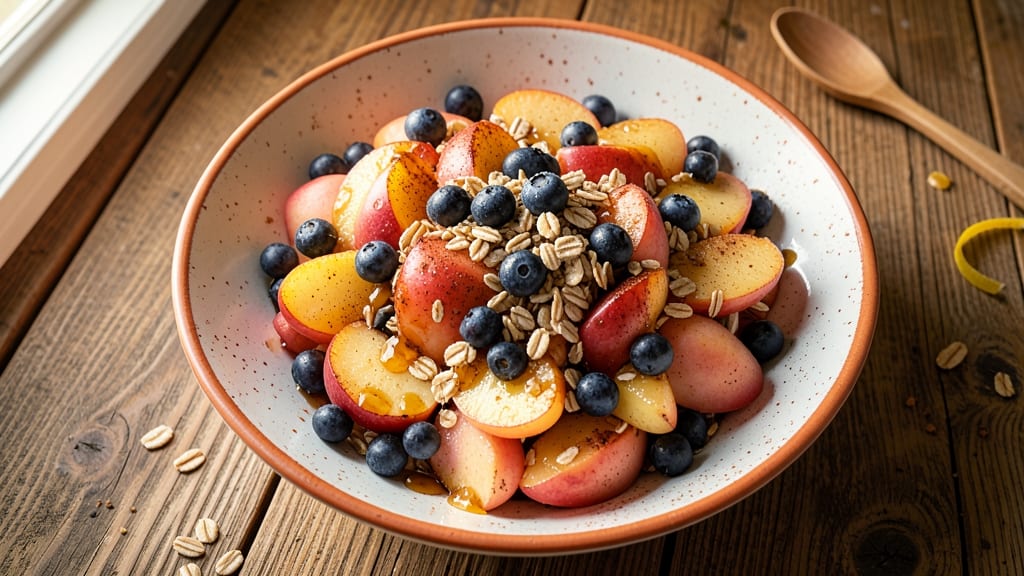
This baked fruit salad recipe transforms ordinary fruit into a warm, spiced dessert that tastes like autumn in every bite.
The secret lies in baking seasonal fruits—like apples, peaches, and berries—until they develop caramelized edges and tender centers, then tossing them with cinnamon, oats, and a touch of honey for depth.
What starts as a simple mix of fresh fruit becomes something rich, aromatic, and irresistible, perfect for impressing guests or satisfying a sweet craving without guilt.
What sets this recipe apart is the balance of textures and flavors: crispy oats contrast the soft fruit, while warm spices like cinnamon and nutmeg add complexity.
Unlike traditional fruit salads that can feel too light, this version stays satisfying thanks to the baking process, which intensifies natural sweetness and creates a subtle caramelized crust. It’s a dessert that feels both comforting and refined—ideal for brunch, potlucks, or a cozy weeknight treat.
The best part? This baked fruit salad is incredibly versatile. Swap in seasonal fruits like pears or plums, or add toasted nuts or coconut flakes for extra crunch. Serve it warm with vanilla yogurt or a scoop of ice cream for a dessert that’s light yet indulgent.
The recipe is foolproof, requiring minimal effort but delivering restaurant-quality results that taste homemade.
Whether you’re looking for a healthier dessert option or a way to use up ripe fruit, this method elevates simple ingredients into something extraordinary. Let’s get started—your taste buds will thank you.
Ingredients for baked fruit salad
Six seasonal fruits and six spices transform simple fruit into a warm, caramelized dessert masterpiece.
| Ingredient | Amount | Notes |
|---|---|---|
| Seasonal Apples 🍎 | 2 lb | Honeycrisp or Fuji, peeled and sliced |
| Ripe Peaches 🍑 | 2 lb | Fresh, pitted and sliced |
| Fresh Blueberries 🫐 | 1 ½ cups | No need to wash, just dry |
| Old-Fashioned Rolled Oats 🌾 | 1 cup | Quick or steel-cut works too |
| Pure Maple Syrup 🍯 | ¼ cup | Grade B for deeper flavor |
| Ground Cinnamon 🌿 | 2 tbsp | Ceylon preferred for delicate flavor |
| Ground Nutmeg 🌿 | 1 tsp | Freshly grated for best aroma |
| Vanilla Extract 🍯 | 1 tsp | Pure Madagascar preferred |
| Unsalted Butter 🧈 | ½ cup | Cold cubed for even distribution |
| Vanilla Yogurt 🥛 | 1 cup | Plain Greek-style preferred |
| Toasted Pecans 🥜 | ½ cup | Chopped, optional for crunch |
| Diamond Crystal Kosher Salt 🧂 | ½ tsp | For balancing sweetness |
The fruit selection is non-negotiable for texture and flavor. Honeycrisp apples hold their shape beautifully while caramelizing, and Fuji peaches add natural sweetness without turning mushy. Blueberries should be plump, not shriveled—local farmers markets often have the freshest in season. For the spices, Penzeys Spices or bulk bins at Whole Foods are ideal for freshness. Pre-ground spices lose potency quickly, so if you're using store-bought, check the date—anything over six months old should be replaced. The oats should be old-fashioned rolled, not instant—they create a satisfying crunch that contrasts perfectly with the tender fruit.
No maple syrup? Agave nectar or honey work in a pinch, though maple's deeper flavor is preferred. Substituting cinnamon? Cardamom or allspice add complexity, but reduce to 1.5 teaspoons to avoid overpowering. For nutmeg, freshly grated from a whole nutmeg is ideal, but pre-ground works if labeled as fresh. The butter should be cold when adding—cut into small cubes and spread evenly over the fruit before baking. If you're avoiding dairy, use coconut oil instead, though the flavor will differ slightly. The vanilla extract can be imitation, but pure Madagascar elevates the dish significantly. For extra richness, fold in a tablespoon of lemon juice to brighten the flavors post-baking.
Store any leftovers in an airtight container in the refrigerator for up to 5 days, though it's best enjoyed fresh. The texture changes slightly as it cools—warmer servings have the best caramelized edges. For make-ahead convenience, prepare the fruit mixture up to 24 hours in advance, then bake just before serving. The oats and spices can be mixed separately and stored in the pantry for up to 3 months. When reheating, cover with foil to prevent drying out. This dessert reheats beautifully, making it perfect for meal prep—portion into individual servings and reheat for 30 seconds in the microwave for a warm, comforting bite.
Why You'll Love This Recipe
- No Chopping Needed: I swear by this trick—just slice the apples and peaches thick, toss them in, and let the oven do the work. No knife skills required, just dump, stir, and bake.
- Sweet-Savory Magic: That maple syrup caramelizing into the oats while the blueberries burst? It’s like dessert had a flavor upgrade. Honestly, the first bite makes you wonder why you ever ate fruit salad raw.
- Weeknight to Picnic: Make a big batch on Sunday—it stays fresh for days, travels well, and even my kids will inhale it straight from the container. (Yes, even on a Tuesday night.)
- Pantry Staple Hack: Oats and seasonal fruit? You’re already halfway there. No fancy ingredients, just what’s in your cabinet. Leftovers? Toss them in yogurt or oatmeal—zero waste.
Step-by-step instructions for warm spiced baked fruit salad
Transform fresh fruit into a comforting dessert with caramelized edges and warm spice notes.
Prep and Toss the Fruit
In a large bowl, combine the 2 lb seasonal apples and 2 lb ripe peaches, both already peeled and sliced. Gently toss them with the 1.5 cups fresh blueberries—avoid crushing the berries, as their delicate texture adds brightness to the dish. In a small bowl, whisk together the 0.25 cup pure maple syrup, 1 tsp vanilla extract, and 0.5 tsp diamond crystal kosher salt until fully blended. Pour this mixture over the fruit and toss again to ensure even coating.
This step ensures every bite carries the sweetness and depth of the maple syrup while the salt balances the natural sugars. The fruit will absorb the syrup gradually as it bakes, preventing it from becoming overly syrupy. Work quickly to avoid oxidation—blueberries release color when exposed to air, but their flavor remains intact.
Build the Oat and Spice Crust
In a separate bowl, mix the 1 cup old-fashioned rolled oats, 2 tbsp ground cinnamon, 1 tsp ground nutmeg, and 0.5 cup unsalted butter (cold and cubed). Rub the butter into the oats with your fingers until the mixture resembles coarse crumbs. This texture creates a satisfying contrast to the soft fruit. Sprinkle the oat mixture evenly over the fruit, pressing down gently to help it adhere. The oats will toast and crisp during baking, adding a nutty crunch.
Here’s the thing—don’t overmix. The oats should coat the fruit like a rustic topping rather than a dense layer. If you press too firmly, the fruit will release juices prematurely, making the oats soggy instead of crisp. Distribute the mixture evenly so every serving gets the same perfect balance of texture and flavor.
Bake Until Caramelized and Tender
Transfer the fruit mixture to a 9x13-inch baking dish lined with parchment paper, leaving a ½-inch border along the edges. Bake at 375°F for 30 minutes, then reduce the heat to 350°F and continue baking for an additional 20-25 minutes until the fruit is tender and the oats are deep golden brown with caramelized edges. The fruit should release easily from the dish when gently shaken, and the juices should be thickened but not syrupy.
Watch for the edges to develop a rich amber color—this indicates the natural sugars in the fruit have caramelized, adding depth to the flavor. If the top isn’t browning evenly, tent the dish with foil for the last 10 minutes to prevent over-browning while the center finishes cooking. The internal temperature of the fruit should reach 190-195°F for optimal texture.
Finish with Yogurt and Pecans
Remove the dish from the oven and let it cool for 10 minutes—this allows the juices to redistribute and the fruit to set slightly. Stir in the 1 cup vanilla yogurt and 0.5 cup toasted pecans, folding gently to combine. The yogurt adds a creamy contrast to the warm, spiced fruit, while the pecans introduce a buttery crunch. Serve immediately while the fruit is still warm, or chill for 30 minutes if you prefer a slightly firmer texture.
This final step transforms the dish from a simple baked fruit salad into a dessert with layers of temperature and texture. The yogurt also helps balance the richness of the caramelized fruit and oats, ensuring each bite is harmonious. Garnish with an extra sprinkle of cinnamon or a drizzle of maple syrup if you’re feeling indulgent.
Pro Tips For Making Baked Fruit Salad
- TOSS OATS LAST: Rolled oats soak up syrup like a sponge—if you mix them in early, they’ll turn into mush. Toss them over the fruit after baking, then drizzle with extra maple syrup right away so they absorb just enough to get crispy around the edges. (Yes, it’s fussy, but the texture makes all the difference.)
- CORE FRUIT FIRST: Peaches and apples break down faster than you’d think. Peel and core them right before tossing with blueberries, then slice into even chunks—thick enough to hold shape but thin enough to caramelize. Blueberries stay whole longer if you fold them in gently after baking, like nestling eggs in a bowl.
- SKIP THE STIRRING: I used to flip the fruit halfway through baking, thinking it’d cook evenly. Wrong. The syrup pools and burns. Instead, spread the fruit in a single layer, skin-side up where possible, and let it caramelize undisturbed. The edges will crisp, the center stays tender—just like your grandmother’s casserole.
- USE A LITTLE BUTTER: Pure maple syrup alone can make the fruit cling too tightly. Add 1 tablespoon of melted butter to the syrup before drizzling—it cuts the stickiness and helps the oats clump together just enough to hold the salad’s shape when serving. (Trust me, it’s not sweet enough to overpower.)
Flavor customization for this recipe
Spiced Variations
Swap the cinnamon and nutmeg for 1 tbsp pumpkin pie spice and ½ tsp ginger for a cozy fall twist. Or try ½ tsp cardamom and ¼ tsp clove for an exotic Middle Eastern-inspired flavor.
I love adding ½ tsp smoked paprika for a subtle BBQ-inspired warmth that pairs beautifully with the caramelized fruit. 🌿
Sweetness Levels
For less sweetness, reduce the maple syrup to 2 tbsp and add 1 tsp lemon juice to brighten the flavors. If you prefer extra sweetness, increase the syrup to ⅓ cup and add 1 tbsp honey for a floral note.
I find that agave nectar works well as a neutral sweetener alternative.
Texture Boosters
Add ½ cup toasted walnuts or almonds for a different nutty crunch. For a tropical vibe, fold in ¼ cup shredded coconut (toasted in the oven for 5 minutes at 350°F) before baking. Crumbled graham crackers (about ½ cup) replace oats for a dessert-like texture that kids adore.
Fruit Swaps
Use pears instead of apples for a softer texture, or plums for a deeper purple hue. For summer versions, swap peaches for pineapple chunks (tossed in 1 tbsp lime juice first) and add ½ cup diced mango.
I also love blackberries or raspberries for their juicy burst—just reduce baking time by 5 minutes to prevent overcooking.
Dairy-Free Options
Replace the yogurt with ½ cup coconut yogurt and use ½ cup coconut oil instead of butter. For extra creaminess, stir in 2 tbsp tahini after baking. The coconut oil adds a subtle tropical note that complements the fruit beautifully. 🥥
Seasonal Adjustments
In winter, add ½ cup dried cranberries (chopped) for tartness and 1 tsp orange zest for brightness. Spring versions work well with strawberries and rhubarb (reduce baking time by 10 minutes—rhubarb cooks faster).
For a summer twist, include cherries (pitted) and kiwi (sliced), baking at 350°F for just 15 minutes to preserve their freshness.
Nutrition facts
Frequently asked questions
Can I use frozen fruit instead of fresh?
Fresh fruit is ideal for this recipe, but you can use frozen fruit in a pinch! Just thaw and drain excess liquid first, then pat completely dry. Avoid fruits with high water content like watermelon or pineapple, as they can make the oats soggy. For best results, use frozen berries or peaches that haven't been pre-sweetened.
How do I prevent the oats from getting soggy?
The key is proper baking technique. Spread the fruit in a single layer and don't overcrowd the baking dish. For extra insurance, bake at a slightly higher temperature (375°F for the first 25 minutes) to crisp the oats faster. If your fruit releases a lot of juice (like peaches), reduce the baking time by 5 minutes to prevent steaming.
Can I make this ahead of time?
This recipe actually tastes better the next day. Prepare the fruit mixture up to 24 hours ahead and store it uncovered in the fridge to let flavors meld. When ready to bake, simply transfer to the oven and follow the baking instructions. The oats will crisp up beautifully during baking. For make-ahead serving, portion into individual ramekins before baking.
What's the best way to reheat leftovers?
Reheat in 30-second intervals in the microwave, stirring between each interval to maintain texture. For a crispier result, warm in a 350°F oven for 10-15 minutes covered with foil. The yogurt may separate slightly when reheated—just stir gently to recombine. For best texture, enjoy within 3 days of baking.
Why did my fruit turn mushy?
Overbaking is the most common cause. The fruit should be tender but still hold its shape. Check doneness by piercing with a fork—it should feel soft but not completely collapsed. For delicate fruits like peaches, reduce baking time by 5-10 minutes. If using a glass dish, reduce by 5 minutes more as glass conducts heat differently than metal.