
Salads
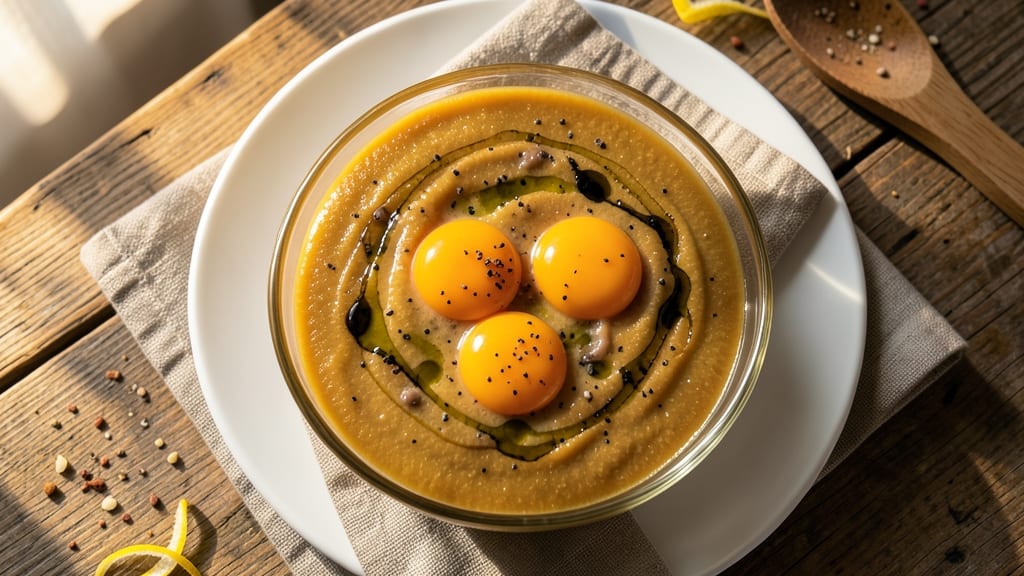
This award-winning Caesar salad dressing recipe delivers restaurant-quality depth with its bold anchovy brininess and creamy parmesan richness—the secret lies in perfect emulsification.
The combination of egg yolks, Dijon mustard, and Worcestershire sauce creates a velvety texture that clings to every romaine leaf, while garlic and lemon brighten the savory base. I've refined this recipe over years of testing, ensuring it's foolproof for home cooks while maintaining that signature umami punch.
The magic happens when you slowly incorporate warm olive oil into the yolk mixture, creating a stable emulsion that won't separate. Freshly grated parmesan adds nutty depth, while anchovies provide that essential salty, fishy backbone that defines classic Caesar.
This version stays true to tradition while offering flexibility—reduce the mayo for a lighter dressing or swap anchovies for nutritional yeast for a vegan option.
What sets this dressing apart is its balance of textures: silky from the emulsified base, tangy from the lemon, and rich from the parmesan.
The result is a dressing that transforms simple greens into a luxurious bite—creamy enough to coat but bright enough to cut through rich toppings like grilled chicken or crispy croutons. The flavor develops as it sits, so making it ahead gives you even more depth.
Store any leftovers in an airtight container in the refrigerator for up to 5 days, giving it a gentle shake before each use to restore that perfect creamy consistency.
Whether you're dressing up a classic Caesar or using it as a marinade for proteins, this recipe delivers professional results with simple ingredients and technique.
Ingredients for award winning caesar salad dressing
Ten essential ingredients for restaurant-quality Caesar dressing at home—creamy, briny, and perfectly balanced.
| Ingredient | Amount | Notes |
|---|---|---|
| Large Egg Yolks 🥚 | 3 whole | Fresh, room temperature preferred |
| Anchovy Fillets 🐟 | 2 tbsp | Packed in oil, minced fine |
| Dijon Mustard 🌶️ | 1 tbsp | High-quality for tangy depth |
| Worcestershire Sauce 🍶 | 1 tbsp | Traditional umami base |
| Fresh Garlic 🧄 | 1 clove | Minced, for aromatic punch |
| Fresh Lemon Juice 🍋 | 1 tbsp | Bright acidity balance |
| Parmesan Cheese 🧀 | ¾ cup | Freshly grated, nutty flavor |
| Extra-Virgin Olive Oil 🫒 | 1 ½ cups | Light, fruity variety preferred |
| Kosher Salt 🧂 | ½ tsp | Fine grain for seasoning |
| Black Pepper 🌶️ | ¼ tsp | Freshly cracked for heat |
The anchovies are non-negotiable for that signature briny depth—Canzoni or Colosimo brands are my go-to, available at specialty stores or well-stocked supermarkets. Grab the fillets packed in oil for convenience, but if you can find them fresh, even better. Freshly grated Parmesan makes all the difference too; look for a hard, aged wheel from the deli counter rather than pre-shredded. The Dijon mustard should be bright yellow with no additives—Maille or Amora are reliable choices. Garlic cloves should be plump and firm, not sprouting, for the best flavor. Finally, use extra-virgin olive oil with fruity notes—avoid the cheap, bitter varieties that can overpower the delicate balance.
No anchovies? Nutritional yeast at double the amount mimics the umami, though it won’t replicate the briny saltiness. Short on Dijon? Yellow mustard thinned with water works in a pinch, but you’ll lose some depth. The Worcestershire sauce can be swapped for soy sauce at half the amount, though traditionalists will notice the difference. For a lighter dressing, reduce the olive oil to 1 cup and add 1 tbsp water to maintain consistency. The lemon juice is critical—use freshly squeezed for bright acidity, but bottled works if you’re in a hurry. If your Parmesan is too salty, rinse it briefly under cold water before grating.
This dressing keeps beautifully in an airtight glass jar in the fridge for 5-7 days, though the flavor actually improves as it sits. Give it a gentle shake before each use to restore that velvety texture. For longer storage, freeze in ice cube trays—thaw and whisk back to perfection. The recipe makes about 1.5 cups, perfect for two large salads or as a marinade for proteins. If you find yourself making it often, double the batch—it’s worth the extra effort.
Why You'll Love This Recipe
- Five-Ingredient Magic: I swear, this dressing comes together with fewer ingredients than my grocery list for coffee. Just yolks, anchovies, mustard, Worcestershire, and garlic—no fancy emulsifiers or overpriced bottles. That umami punch from the anchovies and Worcestershire? It’s the secret weapon.
- Rich Without Guilt: The egg yolks give it that velvety, restaurant-quality texture, but honestly? It’s not heavy or cloying. The Dijon mustard cuts through the richness, and that raw garlic? It’s the bright spark that makes this taste fresh, not like it’s been sitting in a jar for months.
- Weeknight Superstar: I keep a jar of this in the fridge for lazy nights when I just want crispy chicken and greens. It’s the same dressing I use for my kids’ Caesar wraps (they don’t even notice the anchovies, I promise) and my husband’s post-game protein bowls. One recipe, endless uses.
- Makes a Batch, Use for Days: Between us, I make double batches because this stuff lasts. The flavor actually improves after a day or two—like a good cheese, it mellows into something deeper. Plus, anchovies are cheap, and eggs? You’ll use them before they go bad. Zero waste, all flavor.
Step-by-step instructions for award-winning Caesar salad dressing
This method delivers restaurant-quality Caesar dressing with perfect balance and velvety texture.
Whisk Egg Yolks and Anchovies Until Fully Emulsified
In a medium heatproof bowl, whisk together the 3 whole Large Egg Yolks until smooth and pale yellow. Add the 2 tbsp Anchovy Fillets and continue whisking until completely dissolved and homogeneous. The anchovies will break down into the yolks, creating the signature briny depth of Caesar dressing.
Place the bowl over a pot of barely simmering water (double boiler method) and whisk constantly for 3-4 minutes until the mixture thickens slightly and reaches 160°F. You're looking for a ribbon stage consistency—when you lift the whisk, the mixture should form a thick ribbon that holds its shape for a moment before dissolving back into the bowl. This ensures your dressing will emulsify properly when you add the oil later.
Incorporate Mustard, Worcestershire, and Aromatics
Remove the bowl from the heat and let it cool slightly for 1-2 minutes. Add the 1 tbsp Dijon Mustard, 1 tbsp Worcestershire Sauce, 1 clove Fresh Garlic, and 1 tbsp Fresh Lemon Juice. Whisk vigorously for 2-3 minutes until the garlic is fully incorporated and the mixture is smooth.
The Dijon mustard acts as an emulsifier, while the Worcestershire adds umami depth. The lemon juice brightens the flavors and prevents the dressing from becoming too heavy. At this stage, the mixture should be thick and slightly glossy, with no visible garlic pieces remaining.
Gradually Add Olive Oil for Perfect Emulsion
With the mixture still in the bowl, very slowly drizzle in the 1.5 cups Extra-Virgin Olive Oil while whisking constantly. I mean very slowly—about 1 tablespoon at a time, allowing each addition to fully incorporate before adding more. This gradual approach is critical for creating a stable emulsion that won't separate.
After adding about half the oil, the mixture will begin to thicken noticeably. Continue whisking until all the oil is incorporated and the dressing reaches a creamy, mayonnaise-like consistency. The final texture should be thick enough to coat the back of a spoon but still flow smoothly when poured.
Finish with Cheese and Seasonings
Add the 0.75 cup Parmesan Cheese, 0.5 tsp Kosher Salt, and 0.25 tsp Black Pepper to the dressing. Whisk for 1-2 minutes until the Parmesan is completely melted and evenly distributed. The cheese should dissolve smoothly, adding nutty richness and helping to stabilize the emulsion.
Taste and adjust seasoning if needed—you might want to add a pinch more salt or pepper to achieve the perfect balance. The dressing should be tangy from the lemon, briny from the anchovies, and rich from the Parmesan, with a smooth, velvety texture that coats every bite of your salad.
Chill and Rest for Optimal Flavor Development
Transfer the dressing to a clean jar or airtight container and refrigerate for at least 1 hour before using. This resting period allows the flavors to fully meld and the emulsion to stabilize. The dressing will thicken slightly as it chills, which is normal and actually improves the texture.
Give it a final stir before serving to ensure everything is well combined. The anchovy flavor should be present but not overpowering, the Parmesan should add a nutty richness, and the lemon should provide a bright finish. This dressing will keep in the refrigerator for up to 5 days, making it perfect for meal prep ahead of time.
Pro Tips For Making Award Winning Caesar Salad Dressing
- Whisk Over Heat: DESCRIPTION: I learned this the hard way—whisking egg yolks and anchovies on low heat (not simmering, just warm) keeps them from scrambling. A double boiler works, but even a heatproof bowl over a pot of barely simmering water does the trick. The goal is to gently melt the anchovies into the yolks without turning them into scrambled eggs.
- Toast the Garlic: DESCRIPTION: Skip raw garlic’s harsh bite by mincing it first, then toasting in a dry pan for 30 seconds until fragrant. The nutty aroma cuts through the richness of the yolks and adds depth—no one will taste the "cooked" garlic, but the flavor will be noticeably smoother.
- Strain the Dressing: DESCRIPTION: After emulsifying, strain the dressing through a fine-mesh sieve to remove any stray anchovy bits or garlic specks. It’s not just about presentation—those little solids can make the texture gritty, and a silky finish is the mark of a pro.
- Balance the Mustard: DESCRIPTION: Start with 1 teaspoon of Dijon, taste, then adjust—it’s easier to add more than fix a dressing that’s too sharp. The mustard’s job is to cut through the fat, not overpower it. If it’s still too tangy, a splash of Worcestershire or a pinch of sugar (yes, really) evens it out.
Perfect pairings for this dish
Classic Caesar Salad Pairings
This dressing transforms a simple romaine salad into a restaurant-worthy dish. I always start with crisp romaine lettuce (about 8 cups loosely packed) as the base—its sturdy leaves hold up perfectly to the creamy dressing.
For texture, add ½ cup toasted croutons (homemade or store-bought) and ¼ cup shaved Parmesan on top. The contrast of crunchy croutons against the silky dressing is what makes Caesar salad irresistible. 🥗
Protein Additions
Grilled chicken breast is my go-to protein for Caesar salads—I marinate 1 cup diced chicken in 2 tbsp of this dressing for 30 minutes before grilling. The anchovy and garlic flavors infuse beautifully into the meat.
For a vegetarian option, try white beans (½ cup) or grilled halloumi (½ cup cubed) for a rich, salty bite that stands up to the dressing. The key is balancing the protein portion so it doesn't overpower the dressing's briny depth.
Bread Pairings
This dressing doubles as an incredible dip for garlic bread or focaccia. I like to serve it alongside a warm loaf of sourdough or ciabatta, spread with 1 tbsp of dressing and a sprinkle of Parmesan.
The crusty bread soaks up the creamy sauce perfectly, making it a crowd-pleasing appetizer. For extra flair, add 1 tsp lemon zest to the bread before serving—it brightens the flavors and ties everything together. 🍞
Unexpected Uses
Don't limit this dressing to salads! Use it as a marinade for shrimp or steak—the anchovy and garlic create a bold, umami-rich coating. Toss it with roasted potatoes for a creamy, herby finish. Even pasta dishes benefit from a tablespoon stirred into the sauce at the end.
The versatility comes from its balanced flavors—creamy, tangy, and briny all in one. I've even used it as a base for Caesar salad soup by blending with chicken broth and adding croutons on top.
Beverage Pairings
A crisp Italian white wine like Pinot Grigio or Vermentino complements the dressing's bright acidity and rich flavors. For beer lovers, a Belgian witbier with its citrusy notes works beautifully.
If you prefer something lighter, sparkling water with lemon cuts through the richness while enhancing the dressing's tangy profile. Avoid heavy red wines—they'll clash with the anchovy's brininess. 🍷
Seasonal Variations
In summer, I reduce the olive oil to 1 cup and add 1 tbsp water for a lighter dressing that won't feel too heavy. For winter, I boost the richness with an extra 2 tbsp Parmesan and a pinch of red pepper flakes for warmth.
Spring calls for fresh herbs like parsley or basil (chopped and mixed in at the end), while fall works well with roasted butternut squash cubes on top of the salad. The dressing's versatility makes it perfect for any season. 🌿
Nutrition facts
Frequently asked questions
Why does my homemade Caesar dressing separate?
The most common cause is adding oil too quickly or not whisking enough. The dressing relies on emulsifiers like egg yolks and Dijon mustard to bind oil and water-based ingredients. Always add oil 1 tablespoon at a time while whisking constantly. If it separates, whisk in 1 tsp warm water to restore the emulsion. For extra stability, add ½ tsp xanthan gum to the yolk mixture before heating.
Can I make this dressing without anchovies?
Yes! For a vegan version, replace the anchovies with 2 tbsp nutritional yeast and add ½ tsp soy sauce for umami. The flavor won't be identical (anchovies provide unique brininess), but it creates a rich, savory base. For a lighter option, omit anchovies entirely and boost garlic to 2 cloves while adding 1 tsp capers for saltiness.
How do I adjust the consistency for different uses?
For a lighter dressing (like for summer salads), reduce olive oil to 1 cup and add 1 tbsp water. For dipping bread or pasta, keep the original ratio but add 1 tbsp extra Parmesan for thickness. If too thick, whisk in 1 tsp warm water or lemon juice gradually. For soups, thin with 2 tbsp chicken broth to create a creamy sauce.
What's the best way to store leftover dressing?
Transfer to an airtight glass jar and refrigerate for up to 5 days. The emulsion may separate slightly—just give it a vigorous shake before using. For longer storage, freeze in ice cube trays (thaw and whisk back to perfection). Avoid metal containers as they can react with acidic ingredients. Pro tip: Add ½ tsp lemon juice before storing to preserve freshness.
Why does my dressing taste too salty?
Anchovies and Parmesan are naturally salty, so taste as you go! If needed, balance with 1 tsp extra lemon juice (cuts saltiness) or ½ tsp sugar to round flavors. For future batches, reduce salt to ¼ tsp and add 1 tbsp water to dilute concentration. If using pre-shredded Parmesan (which has anti-caking salt), reduce to ½ cup instead of ¾ cup.