
Salads
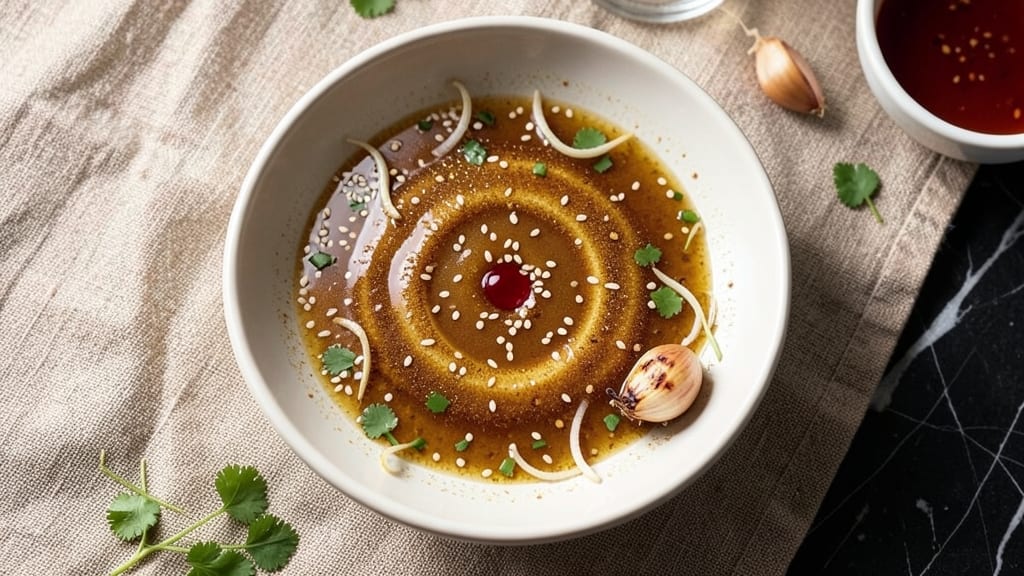
This Asian toasted sesame salad dressing delivers the nutty depth and umami richness that transforms simple salads into restaurant-quality meals.
The secret lies in properly toasting sesame seeds for maximum aroma, then blending them with sesame oil, rice vinegar, and a touch of honey to create a dressing that's both complex and balanced.
I developed this recipe after years of experimenting with Asian-inspired flavors, and it's become my go-to for everything from green salads to grilled meats.
The dressing achieves its signature flavor through a simple yet effective technique: dry-toasting sesame seeds until fragrant and golden, then grinding them into a fine powder. This releases their natural oils and creates that unmistakable toasted aroma that sets this dressing apart from basic sesame blends.
The combination of sesame oil, rice vinegar, and a touch of garlic and ginger builds layers of flavor that work equally well on fresh greens or as a marinade for proteins.
What makes this dressing truly special is its versatility—it works as a glaze for roasted vegetables, a dipping sauce for spring rolls, or the perfect finishing touch for noodle bowls. The balance of sweet, savory, and nutty flavors creates a profile that's both familiar and exciting.
With just a few simple ingredients and a 10-minute preparation time, you'll have a dressing that elevates any dish with minimal effort.
For those following plant-based diets, simply substitute the honey with maple syrup or agave without compromising the dressing's depth of flavor. Store any leftovers in an airtight container in the refrigerator for up to 2 weeks, though I rarely have any lasting that long.
Let's create this flavorful dressing that will become a staple in your kitchen.
Ingredients for asian toasted sesame salad dressing
Nine simple ingredients blend into a dressing that transforms salads into restaurant-quality meals.
| Ingredient | Amount | Notes |
|---|---|---|
| White Sesame Seeds 🥜 | ½ cup | Toasted until fragrant and golden |
| Sesame Oil 🫒 | ½ cup | Toasted sesame oil preferred |
| Rice Vinegar 🍶 | ¼ cup | Seasoned preferred for depth |
| Toasted Sesame Seeds Powder 🌾 | 2 tbsp | Ground from toasted seeds |
| Garlic Cloves 🧄 | 2 cloves | Minced for subtle aroma |
| Fresh Ginger 🌿 | 1 tbsp | Grated, for zesty kick |
| Maple Syrup 🍯 | 1 tbsp | Vegan sweetener alternative |
| Soy Sauce 🍜 | 1 tbsp | Light or dark preferred |
| Salt 🧂 | ½ tsp | Diamond Crystal preferred |
The sesame seeds are the heart of this dressing. Buy them whole—pre-ground loses its aroma and texture. Whole Foods Market or Trader Joe's carry high-quality sesame seeds, and you'll want white sesame for this recipe. Toast them in a dry skillet over medium heat until golden and fragrant—about 3-4 minutes. Let them cool completely before grinding into a fine powder. The difference between toasted and untoasted seeds is dramatic; this step is non-negotiable for that signature nutty depth. If you're short on time, store-bought toasted sesame powder works in a pinch, though it lacks the fresh aroma of homemade.
No sesame oil? Peanut oil or avocado oil can substitute, though the flavor profile shifts slightly. Fresh ginger is ideal, but powdered ginger at half the amount works if you're in a hurry. The maple syrup replaces honey for a plant-based option—it adds a subtle caramel note that complements the sesame beautifully. For extra umami, miso paste or coconut aminos can replace soy sauce. If your rice vinegar tastes too mild, substitute apple cider vinegar for a tangier kick. The garlic and ginger should be freshly minced or grated; pre-minced garlic loses its punch quickly. For a smoother texture, blend everything together until completely smooth—no gritty bits allowed.
This dressing keeps beautifully in an airtight container in the fridge for up to 2 weeks. The flavors actually improve over time as the toasted sesame seeds mellow and deepen. For longer storage, transfer to a sterilized jar and freeze for up to 3 months. Thaw overnight in the fridge before using. A little goes a long way—start with 1 tablespoon per salad and adjust to taste. The dressing thickens slightly when refrigerated, so give it a quick whisk or shake before using. I always make a double batch; it disappears faster than I can say 'umami bomb.'
Why You'll Love This Recipe
- Five-Ingredient Magic: I swear, this dressing comes together while you’re waiting for the kettle to boil. Toasted sesame seeds powder and a splash of rice vinegar—no blending, no straining, just stir and taste. Honestly, I’ve made it wrong twice (too much garlic, once), but now it’s my go-to for lazy nights.
- Nutty, Tangy, Addictive: That first bite? The sesame oil’s rich warmth meets the bright vinegar, then the garlic hits like a little flavor punch. The white sesame seeds add crunch, and the toasted powder? It’s like a cozy blanket for your taste buds—savory, slightly sweet, and impossible to resist.
- Works Everywhere: Drizzle it on greens, toss with noodles, or slather it on grilled chicken. I’ve even used it as a quick marinade for tofu (yes, it’s that good). Perfect for meal prep—just store the dressing separately and mix when ready. Even my picky teen asks for it now.
- Budget Stretch: A tiny jar of sesame oil and a bag of toasted seeds last me months. Between us, this recipe costs pennies but tastes like you spent hours in a kitchen. Plus, leftovers? Just shake and save—no waste, all flavor. My wallet and taste buds thank me.
Step-by-step instructions for Asian toasted sesame salad dressing
Here's how to create a rich, aromatic dressing with layers of nutty depth and umami complexity.
Toast the White Sesame Seeds for Maximum Flavor
Heat a dry skillet over medium-low heat. Add the 0.5 cup white sesame seeds and toast them for 3-4 minutes, stirring constantly with a wooden spoon. You're looking for the seeds to turn a light golden color and release their nutty aroma—this is when they're perfectly toasted.
Watch closely after 2 minutes as they can burn quickly. Remove from heat immediately when they're golden and fragrant. Let them cool completely before grinding, about 5 minutes. This toasting process enhances their flavor and prevents bitterness in the final dressing.
Create the Toasted Sesame Seeds Powder
Transfer the cooled toasted sesame seeds to a clean spice grinder or mortar and pestle. Process until you have a fine powder—this should take about 30-45 seconds in a spice grinder. You'll need all 2 tablespoons of the finished powder for the recipe.
If using a mortar and pestle, work in batches to ensure even grinding. The powder should be completely free of any graininess. Set aside 2 tablespoons of this freshly ground powder for the dressing—this is what creates that signature toasted sesame flavor profile that sets this dressing apart.
Blend the Base Ingredients
In a small bowl, whisk together the 0.5 cup sesame oil, 0.25 cup rice vinegar, 1 tablespoon maple syrup, and 1 tablespoon soy sauce. Mix vigorously for about 30 seconds until all ingredients are fully combined and the mixture appears homogeneous.
This base creates the foundational balance of flavors—sweet, tangy, salty, and umami. The sesame oil carries the nutty depth while the vinegar provides the necessary acidity to cut through richness. Taste the mixture now—it should be balanced with a slight tang and subtle sweetness.
Incorporate Aromatics and Seasonings
Add the 2 cloves minced garlic, 1 tablespoon grated fresh ginger, 0.5 teaspoon salt, and the reserved 2 tablespoons toasted sesame seeds powder to the oil mixture. Whisk continuously for 1-2 minutes until the powder is completely dissolved and the aromatics are fully incorporated.
Here's where the magic happens—the toasted sesame powder infuses the dressing with its distinctive nutty aroma, while the garlic and ginger add their characteristic warmth. The salt enhances all flavors while balancing the sweetness. The mixture should be smooth with no visible particles remaining.
Rest and Adjust for Perfect Texture
Let the dressing rest for 10-15 minutes at room temperature. This allows all the flavors to meld together and any remaining particles to fully dissolve. After resting, give it one final taste and adjust the seasoning if needed—you might want to add a touch more soy sauce for saltiness or a splash of rice vinegar for acidity.
The dressing should have a thick, glossy consistency that coats the back of a spoon. If it's too thick, whisk in 1-2 teaspoons of warm water to reach your desired pouring consistency. This dressing keeps well in the refrigerator for up to 2 weeks, making it perfect for batch preparation.
Pro Tips For Making Asian Toasted Sesame Salad Dressing
- TOAST THE GARLIC LOW: The moment garlic hits the pan, turn the heat down to medium-low—no, really, lower than you think. I used to rush it and end up with bitter, charred bits that ruined the whole dressing. A gentle sizzle for 3-4 minutes until just golden keeps the flavor bright and nutty.
- BLEND SESAME SEEDS FIRST: Toss a handful of whole white sesame seeds into the blender before adding any liquids. They’ll crack and release their nutty oils immediately, giving your dressing depth from the start. Skipping this step means you’re missing out on that rich, toasty base flavor.
- MEASURE SESAME OIL LAST: Add the sesame oil after blending everything else—just 1 teaspoon at a time—until the dressing reaches your desired richness. Too much too soon, and you’ll end up with a greasy, overpowering mess. Start conservative; you can always add more.
- STRAIN IF YOU’RE PICKY: If you’re serving this dressing to guests who hate texture, strain it through a fine-mesh sieve after blending. The sesame seed powder will clog your blender and leave gritty bits, but a quick strain removes those while keeping the flavor intact. (Yes, it’s extra work, but it’s worth it.)
Troubleshooting great asian toasted sesame salad dressing
Gritty Texture Fix
If your dressing has visible sesame seed particles after blending, you likely didn't grind the seeds finely enough. Pulse them in a spice grinder for an additional 10-15 seconds or use a high-speed blender to ensure a completely smooth texture.
For extra insurance, strain the mixture through a fine-mesh sieve before using. 🥄
Separation Issues
When oil and vinegar separate, it means the emulsifiers (toasted sesame powder and soy sauce) weren't properly incorporated. Whisk vigorously for 2-3 minutes to re-emulsify. For a more stable dressing, add 1 teaspoon of cornstarch or arrowroot powder mixed with 1 tablespoon water as a natural thickener.
This creates a smoother, more cohesive texture that resists separation.
Weak Flavor Profile
If your dressing tastes bland, the sesame seeds weren't toasted enough or the aromatics weren't fresh. Next time, toast the seeds until they're deeply golden and fragrant, and use only fresh garlic and ginger.
For an instant flavor boost, add ½ teaspoon of fish sauce or 1 teaspoon of miso paste to deepen the umami. Taste as you go—this dressing should sing with nutty, savory notes.
Too Thick Consistency
When the dressing thickens beyond pouring consistency, it's usually from refrigeration. Thin it with 1-2 teaspoons of warm water or rice vinegar while whisking continuously. For a smoother texture, blend in 1 teaspoon of neutral oil like avocado or light olive oil.
The ideal consistency should coat the back of a spoon but still pour easily from a bottle.
Burnt Sesame Seeds
Over-toasted sesame seeds develop a bitter, acrid flavor that ruins the dressing. Watch your skillet closely after 2 minutes of toasting—remove immediately when they're golden and fragrant. If you've already burnt them, start over with fresh seeds.
The aroma should be nutty and inviting, not smoky or harsh. A good rule of thumb: if it smells amazing, it's ready. 🌾
Not Nutty Enough
For a more pronounced toasted sesame flavor, increase the toasted sesame powder to 3 tablespoons (instead of 2) and toast the seeds until they're darker golden. Add 1 teaspoon of sesame oil to the base mixture for extra depth.
If you're using store-bought toasted sesame powder, toast it briefly in a dry pan for 30 seconds to revive its aroma before adding to the dressing.
Nutrition facts
Frequently asked questions
Can I use black sesame seeds instead of white?
Black sesame seeds work beautifully—they add a deeper, earthier flavor that pairs wonderfully with the dressing's nutty profile. Use the same quantity (0.5 cup) and toast until fragrant. The color will be darker, but the texture and flavor will be equally rich. For extra visual appeal, sprinkle black sesame seeds on top of salads after dressing.
How do I make this dressing vegan?
This recipe is already vegan-friendly! Simply replace the honey with 1 tablespoon maple syrup or agave, and ensure your soy sauce is vegan (most are). For extra richness, add 1 teaspoon of coconut aminos instead of soy sauce. The dressing maintains its depth and balance without any animal products.
Will this dressing work on non-salad dishes?
This versatile dressing elevates everything from grilled chicken to roasted vegetables and noodle bowls. Use it as a marinade (add 1 tablespoon to ¼ cup soy sauce), a dipping sauce for spring rolls, or a glaze for baked tofu. The nutty-savory profile complements both Asian and fusion dishes beautifully.
Can I make this dressing without a spice grinder?
Yes! If you lack a spice grinder, use a clean coffee grinder or even a rolling pin and heavy bowl to crush the toasted sesame seeds into a fine powder. For extra insurance, strain the dressing through a fine-mesh sieve before using to ensure a silky texture. The key is achieving a powdery consistency—any method that achieves this will work.
How do I adjust the sweetness level?
The maple syrup provides subtle sweetness, but you can customize it to taste. For more sweetness, add an extra ½ teaspoon of maple syrup or a pinch of sugar. For less sweetness, reduce the maple syrup to ½ tablespoon and increase the rice vinegar by 1 teaspoon to balance the flavors. Taste as you go—this dressing should harmonize sweet, savory, and tangy notes.