
Salads
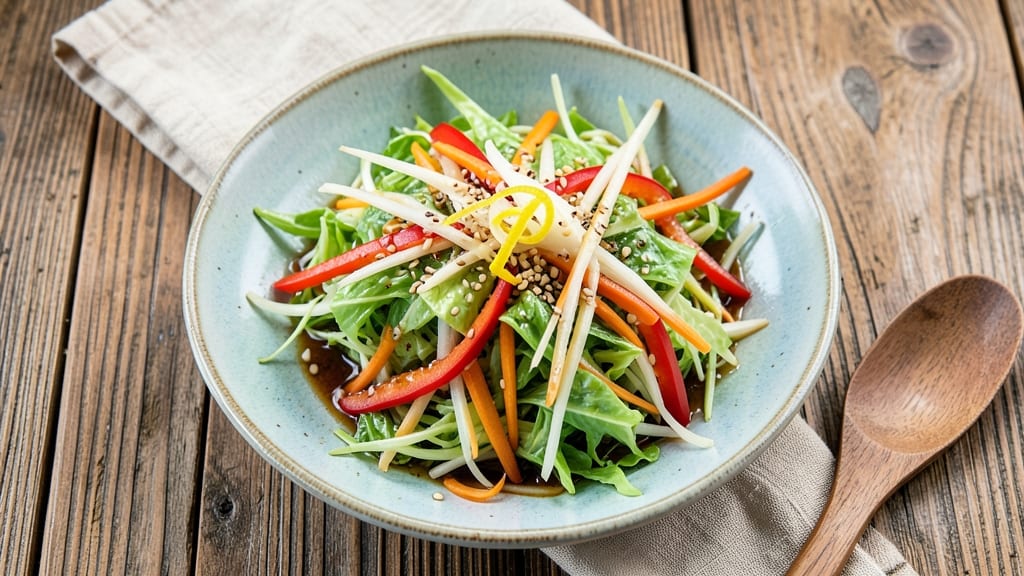
This Asian marinated vegetable salad recipe delivers restaurant-quality crunch and umami in just 15 minutes—no cooking required. The secret lies in balancing quick-pickled flavors with a bold sesame-ginger dressing that transforms ordinary vegetables into a vibrant, textured masterpiece. I developed this dish after craving something fresh yet deeply flavorful that could stand alone or complement any Asian-inspired meal.
The magic happens through a two-part process: first, a tangy marinade of rice vinegar, soy sauce, and chili that tenderizes and brightens the vegetables, then a rich sesame-ginger dressing that adds depth.
Crisp vegetables like shredded cabbage, carrots, and bell peppers stay perfectly crunchy while absorbing the marinade's bold flavors, creating a salad that's as satisfying as it is visually stunning. The quick-pickled elements add a refreshing contrast that keeps every bite exciting.
What you'll end up with is a salad that's packed with texture—crisp, tender, and slightly sticky from the dressing—while delivering layers of umami, sweetness, and spice. The colors are vibrant, the flavors are balanced, and the assembly is straightforward enough for weeknight dinners but impressive enough for guests.
This isn't just a side dish; it's a complete, protein-rich meal that's ready in under 20 minutes.
Serve it as a standalone dish with steamed rice or noodles, or pair it with grilled tofu or shrimp for a full meal. The dressing keeps well in the fridge for up to a week, so you can prep ahead and enjoy this salad all week long.
Let's get started on creating this vibrant, flavor-packed dish!
Ingredients for asian marinated vegetable salad
Quick-pickled crunch meets bold sesame-ginger dressing in this vibrant, no-cook salad.
| Ingredient | Amount | Notes |
|---|---|---|
| Green Cabbage 🥬 | 4 cups | Shredded, outer leaves removed |
| Carrots 🥕 | 2 medium | Shredded or julienned |
| Red Bell Pepper 🍅 | 1 whole | Thinly sliced, seeds removed |
| Rice Vinegar 💧 | ½ cup | Unseasoned, mild flavor |
| Low-Sodium Soy Sauce 🍶 | 3 tbsp | For umami depth |
| Sesame Oil 🫒 | 2 tbsp | Toasted, for aroma |
| Fresh Ginger 🌿 | 1 tbsp | Grated, peeled |
| Toasted Sesame Seeds 🥜 | 2 tbsp | For crunch and flavor |
| Red Chili Flakes 🌶️ | 1 tsp | Adjust for heat preference |
| Honey 🍯 | 1 tbsp | Or agave for vegan option |
| Toasted Sesame Oil 🫒 | 1 tbsp | Extra for drizzling |
| Salt 🧂 | ½ tsp | Kosher or sea salt |
| Black Pepper 🌶️ | ¼ tsp | Freshly ground |
| Lime Juice 🍋 | 1 tbsp | Freshly squeezed |
The cabbage and carrots are your flavor sponges here—green cabbage for structure and carrots for natural sweetness. Grab the red outer leaves off the cabbage first—they're tougher and less flavorful. For the carrots, julienne or shred them (a mandoline makes this job easy), but don't skip the bell pepper—it adds that bright pop of color and crunch. I always hit the Asian produce section at Whole Foods for the freshest cabbage, but regular grocery stores carry decent options too. Look for cabbage with crisp leaves and no yellowing—those are telltale signs it's past its prime.
No rice vinegar? Apple cider vinegar or white vinegar work in a pinch, but you'll lose some of that delicate sweetness. The soy sauce is non-negotiable for umami—low-sodium keeps it from overpowering. Fresh ginger is ideal, but powdered works at half the amount. For the sesame oil, toasted is a must—it's what gives that nutty aroma. No toasted sesame seeds? Regular sesame seeds toasted in a dry pan for 2 minutes work just fine. The honey or agave balances the acidity, so don't skip it unless you're making this vegan—maple syrup is a perfect swap.
This salad keeps best when stored in airtight containers in the fridge for up to 4 days. The dressing separates slightly, but just give it a quick stir before serving. For extra crunch, add the sesame seeds fresh when assembling. The quick-pickled veggies stay crisp for about 3 days if stored separately from the dressing. I always make a double batch—half for lunch, half to pack in bento boxes for work. The flavors actually improve after sitting overnight as everything melds together.
Why You'll Love This Recipe
- No Knife Skills Needed: I swear by this one—just slice the cabbage into wedges, shred the carrots with a box grater, and halve the bell pepper. No julienne required, no tears from over-chopping. The rice vinegar and soy sauce do all the flavor work for you.
- Tangy-Savory Magic: That bright rice vinegar cut through the crunch like a breeze, while the low-sodium soy sauce adds just enough umami to make every bite ridiculously good. Honestly? It’s the kind of salad that makes you forget it’s “just” vegetables.
- Packable for Anything: I keep this in my lunchbox all week, toss it into bento boxes for kids (they eat it!), or serve it as a side for takeout nights. The colors stay vibrant, the dressing clings perfectly, and it’s the one dish that never feels like a chore to reheat.
- Budget Meal Superstar: Green cabbage lasts forever, carrots are cheap, and bell peppers stretch across multiple meals. Between us, I’ve made this for $3 per serving—no guilt, no waste. Plus, leftovers? They taste just as fresh the next day. My wallet and I both approve.
Step-by-step instructions for Asian marinated vegetable salad
Here's how to create vibrant, umami-packed vegetables that stay crisp and flavorful in minutes.
Prep and Shred All Vegetables
Start by removing any wilted outer leaves from the 4 cups green cabbage and quarter it. Using a sharp knife or mandoline, slice the cabbage into thin shreds—about ¼-inch wide. The goal is to keep the strands long for texture while ensuring even marination.
Next, peel the 2 medium carrots and cut them into matchsticks or thin julienne strips. For the 1 whole red bell pepper, slice it lengthwise, remove the seeds and membranes, then cut into ¼-inch wide strips. Work quickly to prevent oxidation—this keeps your salad vibrant. Transfer all prepped vegetables to a large mixing bowl.
Make the Quick-Pickle Marinade
In a medium bowl, whisk together the 0.5 cup rice vinegar, 3 tbsp low-sodium soy sauce, 1 tbsp honey, 1 tbsp grated fresh ginger, 0.5 tsp salt, and 0.25 tsp black pepper. The mixture should be slightly syrupy—this ensures the vegetables absorb maximum flavor without becoming soggy.
Stir in the 1 tsp red chili flakes and 1 tbsp lime juice. Taste the marinade—it should balance sweet, tangy, spicy, and umami notes. If you prefer more heat, add an extra ¼ tsp chili flakes. Pour this marinade over the vegetables and toss gently but thoroughly to coat every strand.
Marinate and Develop Flavors
Cover the bowl with plastic wrap and let the vegetables marinate at room temperature for at least 15 minutes—this is the magic window where the flavors meld without over-softening the crunch. For deeper flavor, refrigerate for up to 2 hours, but don't exceed this time or the cabbage will start to wilt.
While marinating, toast the 2 tbsp sesame seeds in a dry skillet over medium-low heat for 2-3 minutes until golden and fragrant. This adds nutty depth to your salad. Remove from heat immediately to prevent burning.
Finish with Sesame Oil and Garnish
Drain the marinated vegetables in a colander, shaking off any excess liquid. Return them to the mixing bowl and drizzle with 2 tbsp sesame oil. Toss gently to distribute evenly—this step adds a rich, aromatic finish. Sprinkle the toasted sesame seeds over the top and toss again.
For extra flair, finish with an additional 1 tbsp toasted sesame oil drizzled in a zigzag pattern. Serve immediately while the vegetables are still crisp. This salad keeps well in the fridge for 2-3 days, but the texture is best when enjoyed fresh.
Pro Tips For Making Asian Marinated Vegetable Salad
- SHRED CABBAGE THIN: The outer leaves are tougher—strip those off first, then slice the core into ¼-inch strips. I learned this the hard way when my first batch tasted like chewing on leather. Thin shreds also soak up the dressing better, so don’t rush it.
- JULIENNE CARROTS UNIFORM: Use a mandoline for even matchsticks (about ⅛-inch thick), or hand-grate if you’re impatient. Thicker pieces stay crunchy but dull the texture contrast—this salad needs that crisp snap. Save the scraps for soup.
- MARINATE SEPARATELY FIRST: Toss cabbage and carrots in half the dressing for 10 minutes before adding peppers. Bell peppers soften fast and turn mushy—this keeps them bright and al dente. Mix everything together only right before serving.
- SALT THE VINEGAR: Add a pinch of salt (¼ tsp) to the rice vinegar before combining with soy sauce. The acidity needs balance, and this stops the dressing from tasting harsh. Trust me, your taste buds will notice the difference.
Essential equipment for this dish
Knife & Prep Tools
Start with a sharp chef's knife—I swear by the Victorinox Fibrox—for clean, even cuts that keep your vegetables crisp. A mandoline slicer is a game-changer for uniform shreds, especially for cabbage and carrots.
I use the OXO Good Grips model because it's safe and easy to clean. For bell peppers, a serrated knife works best to slice through the skin without tearing. 🔪
Mixing Bowls
Use a large glass or stainless steel mixing bowl for marination—I prefer Pyrex because it's non-reactive and easy to clean. The bowl should be at least 8-inch wide to accommodate all your vegetables without overcrowding.
A second, smaller bowl is essential for whisking the marinade separately before combining. Avoid plastic bowls for long marinating times, as they can absorb odors.
Measuring Tools
Precision matters here, so grab a stainless steel measuring cup and spoons for the marinade ingredients. For the sesame oil and ginger, a small squeeze bottle or pipette helps with controlled drizzling.
A microplane for ginger ensures fine, even grates that dissolve completely into the marinade. I keep my OXO Good Grips set on hand—they're durable and accurate.
Skillet for Toasting
A small non-stick skillet (8-inch) is perfect for toasting the sesame seeds—I use Calphalon for its even heat distribution. Keep the heat at medium-low to prevent burning, and stir constantly.
A wooden spoon works best for stirring seeds without scratching the pan. For extra aroma, add a pinch of salt to the seeds while toasting—it enhances their nuttiness. 🌰
Colander & Storage
Draining the marinated vegetables requires a wide-mouth colander with large holes—I recommend OXO's Good Grips again for its sturdy construction. For storage, use glass airtight containers (like Le Parfait) to keep the salad fresh.
Label containers with dates to track freshness. A salad spinner isn't necessary, but it helps remove excess moisture if your vegetables are particularly juicy.
Nutrition facts
Frequently asked questions
Can I use this salad as a meal on its own?
This marinated vegetable salad is packed with fiber, vitamins, and umami-rich flavors that make it a complete meal. For extra protein, serve it with steamed edamame, baked tofu, or grilled shrimp. The salad's crisp texture and bold dressing satisfy hunger while keeping it light and refreshing—perfect for hot days or quick lunches.
How do I adjust the spice level?
Start with the 1 tsp red chili flakes as written, but you can easily adjust. For mild heat, reduce to ½ tsp and add a pinch of sugar to balance. For extra spice, increase to 1.5 tsp or add ½ tsp sriracha to the dressing. Always taste the marinade before applying to vegetables—this ensures perfect heat every time!
What vegetables can I substitute if I don't have cabbage?
No problem! Swap cabbage for green cabbage with Napa cabbage (shred thinner) or shredded kale (massage first to soften). For extra crunch, add jicama or daikon radish—both hold up well to marination. Just adjust quantities to maintain the same volume as the original recipe.
Can I make this salad ahead of time?
Yes, but with a few key tips. Prepare the vegetables and marinade 1 day ahead and store them separately in airtight containers. Combine just before serving to preserve maximum crunch. The dressing can be made 3 days ahead and stored in the fridge. For best results, assemble the salad within 2 hours of serving to maintain texture.
Is this salad gluten-free?
Mostly! Check your soy sauce** for gluten-free certification (use tamari if needed). All other ingredients are naturally gluten-free. For extra safety, verify all spice blends and sesame products for cross-contamination warnings. The recipe's core flavors remain intact with these simple swaps.