
Salads
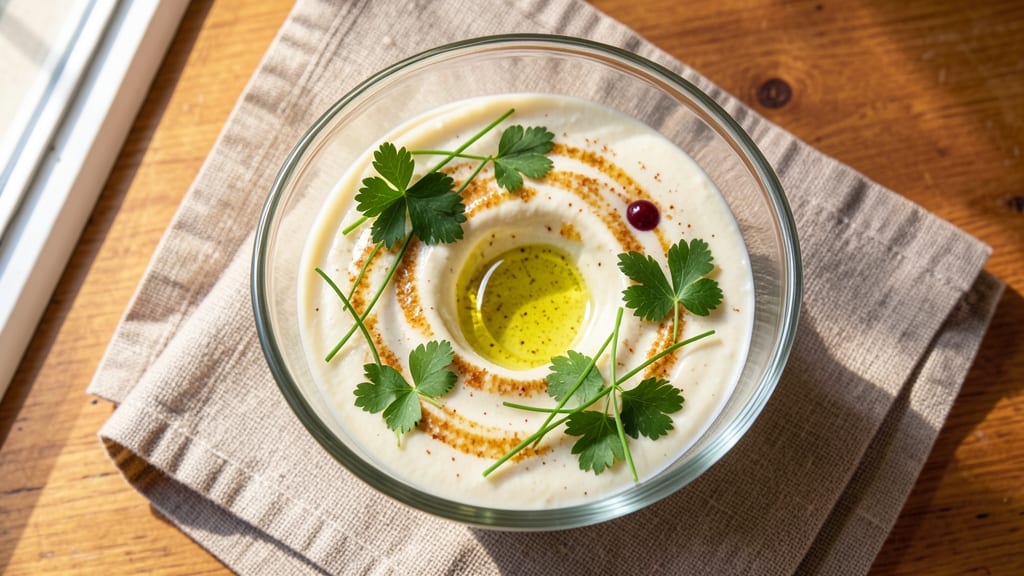
This Asiago salad dressing recipe transforms simple ingredients into a velvety, nutty sauce that elevates every salad from ordinary to extraordinary.
The secret lies in emulsifying aged Asiago with high-quality olive oil and a touch of Dijon mustard, creating a dressing that clings beautifully to greens while delivering rich, umami depth. Unlike traditional creamy dressings, this version stays stable for days and enhances rather than overpowers your favorite salad ingredients.
The dressing's signature flavor comes from a blend of sharp Asiago cheese, tangy red wine vinegar, and fresh herbs like parsley and chives, which add brightness that cuts through the richness.
A slow whisking technique ensures a perfectly smooth texture without separation, while a splash of lemon juice at the end prevents curdling. This isn't just another ranch-style dressing—it's a sophisticated, restaurant-quality sauce that works equally well as a base for mixed greens or as a finishing drizzle over roasted vegetables.
What sets this dressing apart is its versatility—it pairs beautifully with arugula, spinach, or even hearty kale salads, while the nutty Asiago flavor complements grilled meats and cheeses.
The recipe yields about 1 cup, making it ideal for meal prep, and the ingredients are simple yet impactful: just 6 components that come together in minutes. Once you try this dressing, store-bought versions will never measure up again.
For best results, store the dressing in an airtight container in the refrigerator for up to 5 days, or freeze for longer storage. The flavors actually improve over time as the herbs infuse and the cheese mellows slightly.
Whether you're dressing a simple green salad or creating a gourmet side dish, this Asiago dressing will become your new kitchen staple.
Ingredients for asiago salad dressing
Six ingredients create this restaurant-quality dressing that transforms salads into gourmet masterpieces.
| Ingredient | Amount | Notes |
|---|---|---|
| Aged Asiago Cheese 🧀 | ½ cup | Freshly grated, not pre-shredded |
| Extra-Virgin Olive Oil 🫒 | ½ cup | High quality, fruity variety |
| Red Wine Vinegar 🍷 | 2 tbsp | Dry, aged variety preferred |
| Dijon Mustard 🌶️ | 1 tbsp | Mild or strong, not prepared |
| Fresh Parsley Leaves 🌿 | ¼ cup | Finely chopped, stems removed |
| Fresh Chives 🌿 | 2 tbsp | Finely chopped, mild flavor |
| Lemon Juice 🍋 | 1 tbsp | Freshly squeezed, not bottled |
| Sea Salt 🧂 | ½ tsp | Fine grain preferred |
| Black Pepper 🌶️ | ¼ tsp | Freshly ground preferred |
The Asiago cheese is the heart of this dressing—aged Asiago delivers the deepest nutty flavor, while pre-shredded loses texture. Whole Foods or specialty cheese shops carry the best blocks, but Trader Joe's has a solid pre-grated option if you're short on time. Freshly grating ensures no clumps or bitter bits. The olive oil should be extra-virgin—look for Italian brands like Colavita or Bertolli for that fruity punch. Red wine vinegar matters too—Balsamic vinegar vinegar is ideal, but any dry red will work in a pinch.
No aged Asiago? Parmesan or Grana Padano work in a bind, though the flavor will be milder. Fresh herbs wilt fast, so dried parsley at one-third the amount is fine if you're prepping ahead. The Dijon mustard is non-negotiable—prepared mustard adds unwanted sweetness. For extra tang, add a splash more vinegar, but don't overdo it or the dressing will separate. The lemon juice at the end is crucial—bottled juice lacks freshness, so squeeze your own. Salt and pepper should be added to taste after emulsifying, as the cheese and vinegar already contribute significant flavor.
This dressing stays fresh for up to 5 days in an airtight container in the fridge, with flavors deepening over time. For longer storage, freeze in ice cube trays—thaw and whisk before use. The emulsified texture holds best when stored properly, so avoid adding extra liquid after refrigeration. A thin layer of olive oil on top before sealing preserves freshness. Portion into small containers for salads, roasted veggies, or even as a pasta drizzle—this dressing does it all.
Why You'll Love This Recipe
- I swear by this one: just whisk, no blender, no fuss. The Asiago crumbles right into the olive oil and vinegar like it was meant to be there—no grainy bits, no stress.
- No-Shake Miracle: I swear by this one: just whisk, no blender, no fuss. The Asiago crumbles right into the olive oil and vinegar like it was meant to be there—no grainy bits, no stress.
- Umami Bomb: That aged Asiago? It’s the star—nutty, sharp, and rich in a way that makes every bite taste like a little Italian vacation. The Dijon mustard ties it all together with a tangy kick.
- Weeknight Swiss Army: Drizzle it on greens, toss with pasta, or even stir into soups. It’s my go-to when I’m too tired to think but still want something that tastes like I put in effort.
Step-by-step instructions for Asiago salad dressing
This dressing delivers rich, nutty depth with bright herb notes—perfect for elevating any salad.
Grate the Asiago Cheese Finely
Use a microplane or fine grater to shred the 0.5 cup Aged Asiago Cheese into tiny, sand-like pieces. This ensures the cheese dissolves smoothly into the dressing without clumping. Avoid pre-shredded cheese—the larger particles don't blend well and create texture issues.
As you grate, keep the cheese in a small bowl to prevent it from drying out. The finer the grating, the creamier your final dressing will be. If you don't have a microplane, a box grater with small holes works, but pulse the cheese in a food processor afterward for even consistency.
Whisk Together Wet Ingredients
In a medium bowl, combine the 0.5 cup Extra-Virgin Olive Oil, 2 tbsp Red Wine Vinegar, 1 tbsp Dijon Mustard, 1 tbsp Lemon Juice, 0.5 tsp Sea Salt, and 0.25 tsp Black Pepper. Use a whisk to blend these ingredients until fully emulsified—the mixture should look smooth and homogeneous.
The Dijon mustard acts as an emulsifier, helping the oil and vinegar blend seamlessly. If you notice separation at any point, simply whisk vigorously for another 10-15 seconds to restore the smooth texture. This step sets the foundation for the dressing's creamy consistency.
Fold in Fresh Herbs
Add the 0.25 cup Fresh Parsley Leaves and 2 tbsp Fresh Chives to the wet mixture. Using a rubber spatula, gently fold the herbs into the dressing, pressing down lightly to break up any large clumps. The herbs should be finely chopped before adding to ensure even distribution.
Don't overmix at this stage—just enough to incorporate the herbs completely. The parsley adds freshness, while the chives contribute a delicate oniony brightness. If you prefer a smoother texture, you can strain the dressing through a fine-mesh sieve after combining all ingredients.
Incorporate the Grated Asiago
Slowly sprinkle the grated 0.5 cup Aged Asiago Cheese over the dressing while continuing to whisk or fold with the spatula. The cheese should dissolve gradually, creating a thick, creamy texture. If the mixture becomes too thick, add 1-2 teaspoons of water to adjust the consistency.
Taste the dressing and adjust seasoning if needed. You might need an extra pinch of salt or pepper to balance the flavors. The Asiago should lend a rich, nutty depth that complements the bright acidity of the vinegar and lemon. Let the dressing sit for 5 minutes before using to allow all the flavors to meld completely.
Pro Tips For Making Asiago Salad Dressing
- GRATE THE CHEESE FINE: I learned this the hard way—lumpy cheese ruins the texture. Use a microplane or fine grater for the Asiago, then pulse it quickly in a food processor to break up any remaining clumps. This ensures a silky dressing, not a cheesy surprise in every bite.
- WHISK THE MUSTARD FIRST: Sounds weird, but it works: mix the Dijon with the red wine vinegar before adding the olive oil. This emulsifies the mustard properly, so it doesn’t clump when you stir in the cheese later. Skip this, and you’ll end up with a dressing that separates faster than a bad date.
- USE COLD CHEESE, COLD OIL: Pull the Asiago from the fridge right before grating, and chill the olive oil in the fridge for 10 minutes. Cold ingredients blend smoother and prevent the dressing from turning greasy too fast. Trust me, your salad will thank you—especially in summer.
- STORE IT IN A JAR: Fill a clean jar halfway with the dressing, then top with a thin layer of olive oil (about ½ inch). This keeps the cheese from floating to the top and the parsley from sinking like a rock. Shake before using, and it’ll stay fresh for up to a week—no weird textures or weird smells.
Make-ahead tips for this dish
Prep Ahead for Smooth Emulsions
Make this dressing 24 hours ahead—it actually tastes better as the flavors meld! Store in an airtight container in the fridge, but give it a good whisk before using to restore that silky texture.
The cheese will dissolve more completely after resting, creating a richer mouthfeel. I like to prep mine on Sundays so it's ready for quick lunches all week. 🌟
Freeze for Long-Term Use
For storage beyond 5 days, freeze the dressing in 1-tablespoon portions using ice cube trays. Once frozen, transfer cubes to a freezer bag. Thaw overnight in the fridge, then whisk vigorously to re-emulsify.
This works perfectly for meal prep—just toss a cube into your salad container and let it thaw while you assemble. The texture holds up surprisingly well after freezing. ❄️
Herb Prep Shortcuts
Save time by pre-chopping herbs and storing them in the fridge for up to 3 days. Keep them in a small container with a damp paper towel to maintain freshness.
I also like to make a big batch of the wet ingredients (everything except cheese and herbs) and store that separately—just add the fresh herbs and cheese when ready to use. This keeps your dressing from wilting or losing brightness. 🌿
Portion for Perfect Salads
Divide the dressing into small containers (about ¼ cup each) so you can grab exactly what you need. This prevents over-dressing your salad and keeps the dressing fresh longer.
I use 4-ounce glass jars with snap lids—they stack neatly in the fridge and make portion control effortless. Label with the date to track freshness. 🥫
Revive Separated Dressing
If your dressing separates after refrigeration, don't toss it! Simply add 1 teaspoon of warm water and whisk vigorously for 30 seconds to re-emulsify. The Dijon mustard will help bind the oil and vinegar back together.
Most of the time, a quick whisk brings it right back to its creamy glory. I've revived dressing this way even after 3 days in the fridge. 🔄
Dressing Beyond Salads
This versatile sauce works as a marinade for grilled chicken or fish, a drizzle for roasted vegetables, or even a dip for crusty bread. Store extra portions in the freezer for these alternative uses.
The nutty Asiago flavor pairs beautifully with grilled meats and caramelized veggies, making it a pantry staple worth prepping in bulk. 🍗
Nutrition facts
Frequently asked questions
Can I substitute Asiago with another cheese?
Yes! If you can't find aged Asiago, try Parmesan or Grana Padano for similar nutty depth. For a milder flavor, use Pecorino Romano, but reduce to 0.3 cup since it's saltier. Avoid pre-shredded cheese—the anti-caking agents prevent proper emulsification. Freshly grated is key for that creamy texture!
Why did my dressing separate?
Separation usually happens when oil and vinegar aren't properly emulsified. Fix it by whisking vigorously for 30 seconds or adding 1 tsp warm water to help rebind the ingredients. The Dijon mustard acts as an emulsifier—if you used prepared mustard (which contains sugar), it won't work as well. For prevention, whisk constantly when combining wet ingredients.
How long does this dressing last?
This dressing stays fresh in an airtight container for up to 5 days in the fridge. For longer storage, freeze in 1-tbsp portions using ice cube trays. Thaw overnight in the fridge and whisk before using. The flavors actually improve after 24 hours as the herbs infuse and cheese mellows slightly.
Can I make this dressing dairy-free?
For a dairy-free version, replace the Asiago with 2 tbsp nutritional yeast (for umami depth) plus 1 tbsp cashew butter blended with 2 tbsp water. The texture will be lighter but still creamy. Adjust salt to taste since nutritional yeast is salty. This works best for salads with hearty greens like kale or spinach.
What's the best way to store leftover herbs?
Store chopped parsley and chives in a small container with a damp paper towel to preserve freshness for up to 3 days. For longer storage, freeze the herbs in 1-tbsp portions with a tiny bit of olive oil to prevent browning. When ready to use, thaw and drain excess moisture before adding to your dressing.