
Salads
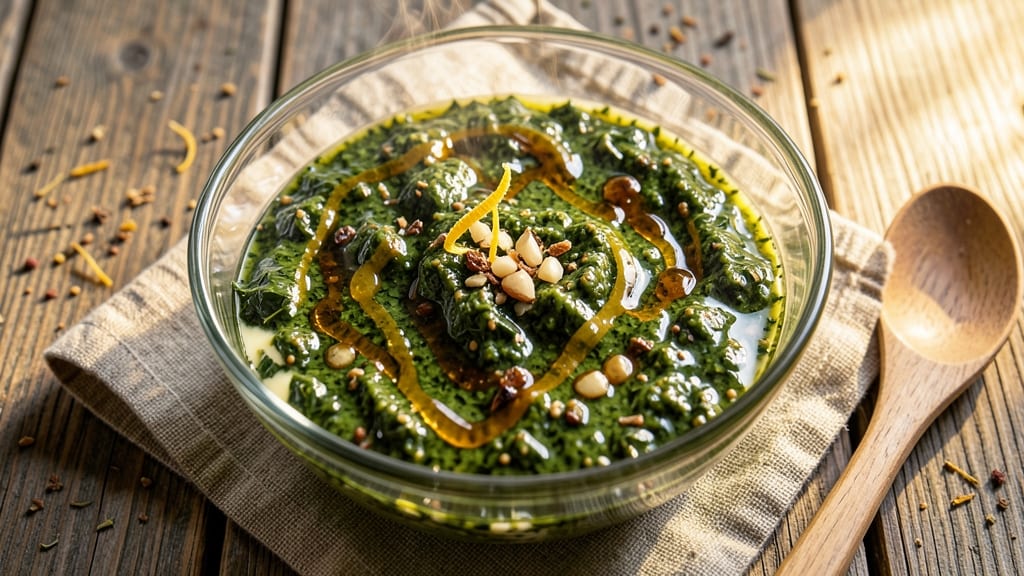
This antipasto pasta salad dressing recipe transforms simple ingredients into a vibrant, herb-infused oil that brings Mediterranean flair to every bite. The secret lies in balancing bright lemon with aromatic herbs like basil and oregano, creating a dressing that enhances—not overpowers—your pasta salad.
With just five core ingredients and a 10-minute prep time, you’ll have a dressing that’s as easy to make as it is impressive.
The dressing’s magic comes from its emulsified texture, where olive oil and lemon juice create a silky base that clings to pasta and toppings. A touch of Dijon mustard adds subtle tang, while garlic and red pepper flakes introduce layers of depth.
This isn’t just a dressing—it’s the star that elevates antipasto pasta salads from ordinary to extraordinary, with every herb and citrus note shining through.
Perfect for summer gatherings or weeknight meals, this dressing stays fresh in the fridge for up to 5 days, making it ideal for meal prep. Pair it with fresh mozzarella, cured meats, or roasted vegetables to create a dish that’s as visually stunning as it is flavorful.
The result? A pasta salad that tastes like a taste of Italy, without the fuss.
Whether you’re hosting a picnic or packing lunches for the week, this dressing delivers consistent, restaurant-quality flavor. The key is letting it sit for 15 minutes before tossing—this allows the herbs to infuse fully, ensuring every bite is bursting with Mediterranean brightness. Ready to elevate your pasta salad game?
Ingredients for antipasto pasta salad dressing
Five ingredients transform into a dressing that makes pasta salad taste like Italy.
| Ingredient | Amount | Notes |
|---|---|---|
| Extra-Virgin Olive Oil 🫒 | 1 cup | High-quality, fruity variety |
| Fresh Basil Leaves 🌿 | ½ cup | Packed, stems removed |
| Fresh Oregano Leaves 🌿 | ¼ cup | Finely chopped |
| Fresh Lemon Juice 🍋 | ¼ cup | Strained, no pulp |
| Dijon Mustard 🍯 | 1 tbsp | Mild or strong variety |
| Garlic Cloves 🧄 | 2 cloves | Minced, fresh preferred |
| Crushed Red Pepper Flakes 🌶️ | ½ tsp | Adjust for heat preference |
| Sea Salt 🧂 | ½ tsp | Diamond Crystal preferred |
The olive oil is non-negotiable here—look for extra-virgin with a fruity, peppery kick. Trader Joe's and Whole Foods carry excellent options, but any bottle labeled 'fruity' or 'robust' works. Fresh herbs are key: basil and oregano should smell vibrant, not wilted. If you're using dried herbs, halve the amount—dried oregano is stronger than its fresh counterpart. The garlic? Freshly minced makes all the difference, but jarred minced works in a pinch if you're in a hurry.
No fresh basil? Dried basil at half the amount gets you close, though the texture won't be as silky. Short on oregano? Thyme or marjoram work as substitutes. The Dijon mustard adds depth—Maille or Colman's are my go-tos, but any good-quality Dijon will do. For heat, red pepper flakes are flexible: start with half the amount and adjust to taste. The lemon juice should be freshly squeezed; bottled lemon juice lacks brightness. If you're prepping ahead, strain the juice through a fine-mesh sieve to avoid any pulp making the dressing gritty.
This dressing keeps beautifully—5 days in the fridge if stored in an airtight jar with a layer of olive oil poured on top to preserve freshness. For longer storage, freeze in ice cube trays and transfer to a bag; thaw in the fridge before using. The flavors actually improve after sitting for 15 minutes, so don't rush it. If the dressing separates, just whisk it back together before using—it's meant to be emulsified, not perfectly smooth. Use within 5 days for peak flavor, or freeze for up to 3 months.
Why You'll Love This Recipe
- No-Chop Necessary: I swear by this—just toss in whole basil and oregano leaves, let them steep in the olive oil like a fancy garnish. No knife skills required, and the dressing still tastes like you slaved over it.
- Bright & Tangy Magic: That lemon juice and Dijon mustard combo? It’s the secret weapon—sharp, herby, and just sweet enough to cut through the richness of antipasto. One taste and you’ll reach for the jar again.
- Picnic & Party Ready: Slather it on pasta, drizzle over grilled veggies, or pack it in a jar for a no-fuss picnic. Honestly, I’ve used it for everything from potlucks to lazy Sunday brunch, and it never lets me down.
- Lasts All Week: Make a big batch—it keeps for ages in the fridge, and the flavors only deepen. Between us, I’ve had this dressing three days later on cold pasta, and it was still the star of the meal. Budget win.
Step-by-step instructions for antipasto pasta salad dressing
This herb-infused dressing delivers bold Mediterranean flavor with minimal effort—just a few simple steps.
Blend the Fresh Herbs and Garlic
Place the 0.5 cup fresh basil leaves and 0.25 cup fresh oregano leaves into a food processor or high-powered blender. Add the 2 cloves garlic and pulse until you achieve a finely minced, paste-like consistency. You want the herbs to break down completely—this ensures maximum flavor infusion without any visible texture in the final dressing.
If you're using a mortar and pestle instead, crush the herbs and garlic together until they form a thick, aromatic green paste. The key here is surface area—finely mincing releases more oils from the herbs, which is what gives this dressing its vibrant character. Don't skip this step; the flavor difference is noticeable.
Whisk in Mustard and Lemon Juice
Transfer the herb mixture to a mixing bowl and whisk in the 1 tablespoon Dijon mustard and 0.25 cup fresh lemon juice. The mustard acts as an emulsifier, helping the oil and water-based ingredients blend smoothly. You'll see the mixture transform from a thick paste into a more liquid consistency as the mustard incorporates.
Taste at this stage—you should notice a bright, tangy flavor from the lemon and a subtle depth from the mustard. If the mixture tastes too sharp, you can add a pinch of the 0.5 teaspoon sea salt now to balance it. The lemon juice will also help preserve the freshness of the herbs in the dressing.
Slowly Incorporate the Olive Oil
With the motor running on low speed, very slowly drizzle in the 1 cup extra-virgin olive oil while continuing to whisk. This gradual addition is crucial—it prevents the dressing from separating and creates a silky, emulsified texture. Start with just a few tablespoons at a time, allowing each addition to fully incorporate before adding more.
You're aiming for a smooth, creamy consistency that coats the back of a spoon. If you add the oil too quickly, you'll end up with a separated dressing. The olive oil should blend completely, leaving you with a vibrant green dressing that looks as good as it tastes.
Season and Rest Before Using
Add the 0.5 teaspoon crushed red pepper flakes and 0.5 teaspoon sea salt, then give the dressing one final whisk to distribute these seasonings evenly. Taste again and adjust the seasoning if needed—you might want to add a bit more lemon juice for brightness or a touch more salt to enhance the flavors.
Let the dressing rest at room temperature for at least 15 minutes before using. This resting period allows all the flavors to meld together, resulting in a more cohesive and delicious dressing. Store any leftovers in an airtight container in the refrigerator for up to 5 days, though I find it's best used within 2-3 days for maximum freshness.
Pro Tips For Making Antipasto Pasta Salad Dressing
- Whisk in Stages: Start with the mustard and lemon juice, then slowly drizzle in the olive oil—this emulsifies the dressing better than dumping everything at once. I used to rush it and end up with a separated mess, but taking 10 seconds to whisk gradually makes all the difference.
- Pulse, Don’t Chop: Tear the basil and oregano leaves by hand instead of chopping—this keeps their bright flavor intact and avoids turning them into bitter pulp. I learned this the hard way after blending them into oblivion for a salad that tasted like herbal disappointment.
- Salt the Mustard: Mix a pinch of salt into the Dijon mustard before adding it to the dressing—this balances the sharpness and prevents the final dish from tasting flat. Sounds small, but it’s the thing that makes the dressing actually sing.
- Use Cold Lemon Juice: Chill the lemon juice in the fridge for 10 minutes before mixing—it cuts through the oil more smoothly and keeps the dressing from turning oily too quickly. I was skeptical until I tried it, and now I never skip it.
Storing and reheating your leftovers
Refrigerator Storage
Store your dressing in an airtight glass jar—I love using Pyrex with a snap-on lid—refrigerated at 40°F or below. The olive oil layer naturally preserves freshness, but I still recommend covering the surface with an extra ½ inch of oil before sealing.
This keeps the herbs vibrant for up to 5 days, though I find it peaks in flavor within 2-3 days. 💛
Freezing for Later Use
For longer storage, freeze the dressing in ice cube trays—each cube makes a perfect single-serving portion. Once frozen, transfer to a ziplock freezer bag, squeezing out excess air to prevent freezer burn.
Thaw overnight in the fridge before using; the texture will be slightly thicker but still delicious. This method preserves flavor for up to 3 months.
Reheating and Reusing
If your dressing separates after refrigeration, simply whisk vigorously to re-emulsify before using. For a smoother texture, add 1 teaspoon warm water per ¼ cup dressing and whisk again.
Never microwave—heat breaks down the delicate herb oils. Instead, let it sit at room temperature for 10 minutes to return to its silky consistency. ✨
Reviving Stale Dressing
If the dressing tastes dull after a few days, revive it by whisking in 1 teaspoon fresh lemon juice and ½ teaspoon minced garlic. The acidity and fresh garlic cut through any flatness, making it taste almost brand-new.
This trick works especially well if you’ve stored it for up to 5 days—just don’t rely on it beyond that.
Portioning for Meal Prep
Divide the dressing into small, individual containers (like 4-ounce mason jars) before storing. This way, you only thaw or use what you need, reducing waste. Label each container with the date—this helps track freshness and ensures you use it within the 5-day window for best results. 📅
Preserving Freshness
Avoid storing dressing in metal containers—they can react with the acidity of lemon juice over time. Instead, opt for glass or BPA-free plastic. If you notice the herbs floating to the top, give it a good shake before using.
The dressing’s emulsified texture means it’s designed to be slightly separated when cold, but it always comes back together beautifully when whisked. 💡
Nutrition facts
Frequently asked questions
Can I make this dressing without a food processor?
Use a mortar and pestle to crush the fresh basil and oregano into a paste with the garlic. For the emulsification, whisk the mustard, lemon juice, and herbs together first, then slowly drizzle in the olive oil while whisking vigorously. The key is patience—it might take a few extra minutes, but you'll still get that silky texture!
How much dressing should I use for a standard antipasto pasta salad?
For a 12-ounce pasta salad (about 4 cups cooked pasta), use ¼ to ½ cup of this dressing. Start with less and add more to taste—it's easier to adjust than to fix an overly dressed salad. The herbs and lemon brighten the flavors, so a little goes a long way!
What can I substitute if I don't have Dijon mustard?
Use 1 teaspoon yellow mustard or ½ teaspoon honey mixed with ½ teaspoon apple cider vinegar to mimic the emulsifying properties. For a more authentic flavor, try 1 teaspoon whole-grain mustard—it adds a subtle depth that works beautifully. Just remember, Dijon is the secret to that perfect emulsified texture!
Can I make this dressing spicier?
Add an extra ½ teaspoon crushed red pepper flakes or swap them for 1 teaspoon hot sauce (like Tabasco). For a smoky kick, include ¼ teaspoon smoked paprika. If you love heat, try ½ teaspoon cayenne pepper—just taste as you go to avoid overpowering the herbs.
Why did my dressing separate after refrigerating?
This is completely normal! The oil and lemon juice naturally separate when cold. Simply whisk vigorously before using—it’ll re-emulsify instantly. To prevent future separation, ensure you’re using high-quality olive oil and add the oil very slowly while whisking. A splash of ice water (just 1 teaspoon) can also help stabilize it.