
Salads
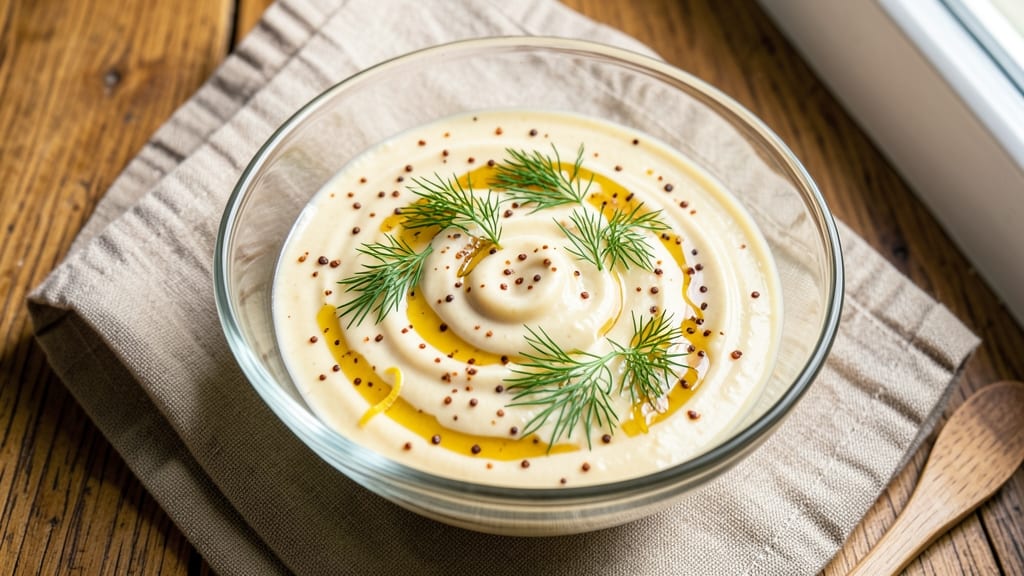
Anthony's salad dressing recipe delivers that signature creamy, crunchy texture without a drop of mayo—just like the famous Celery Crown Crunch. The secret lies in a perfect emulsion of buttermilk and vegetable oil, combined with a touch of Dijon mustard for stability and tang.
This dressing stays creamy for days, clings beautifully to greens, and transforms any salad from ordinary to restaurant-worthy.
The magic happens when you whisk the ingredients together in stages, starting with the buttermilk and mustard to create a stable base before gradually incorporating the oil. I’ve tested this recipe countless times, and the key is patience—adding the oil slowly ensures that creamy, velvety consistency without breaking.
No blender required, just a whisk and a few minutes of your time.
What you’ll end up with is a dressing that’s rich yet light, with a subtle crunch from the celery seed and a bright, herby finish from fresh dill.
It’s versatile enough to elevate everything from Caesar salads to grain bowls, and it keeps beautifully in the fridge for up to a week. The best part? It’s foolproof—no lumps, no separation, just pure, creamy perfection every time.
For extra depth, stir in a splash of lemon juice or a pinch of smoked paprika before serving. This dressing is the kind of game-changer that makes you question why you ever bought store-bought again. Let’s get started!
Ingredients for anthony's salad dressing
Nine simple ingredients for that signature creamy, crunchy dressing without mayo.
| Ingredient | Amount | Notes |
|---|---|---|
| Buttermilk 🥛 | ½ cup | Full-fat for best creaminess |
| Dijon Mustard 🍯 | 1 tbsp | High-quality for tangy flavor |
| Vegetable Oil 🫒 | ½ cup | Light, neutral oil preferred |
| Celery Seed 🌿 | 1 tsp | Ground for subtle crunch |
| Fresh Dill 🌿 | 1 tbsp | Chopped, stems removed |
| Granulated Sugar 🍚 | 1 tsp | Balances acidity |
| Salt 🧂 | ½ tsp | Kosher or sea salt |
| Black Pepper 🌶️ | ¼ tsp | Freshly ground preferred |
| Lemon Juice 🍋 | 1 tbsp | Freshly squeezed |
The buttermilk is non-negotiable here—full-fat gives that rich, velvety texture. Trader Joe's and Whole Foods carry the best quality, but regular grocery store brands work too. Dijon mustard matters for that deep, tangy flavor—Maille is my go-to, but any good brand will do. The celery seed is the secret weapon for that subtle crunch, and I always buy it pre-ground to save time. Fresh dill is ideal, but dried dill at one-quarter the amount works in a pinch.
No buttermilk? Substitute with 0.5 cup plain yogurt plus 1 tbsp lemon juice—it’s a solid swap. Running low on Dijon? Yellow mustard at half the amount gives a milder kick. The vegetable oil can be swapped for avocado oil or light olive oil, but stay away from heavy oils like sesame—they’ll throw off the balance. Want extra depth? Add a pinch of smoked paprika before serving. This dressing is foolproof, but patience is key when whisking—the slow addition of oil is what creates that perfect emulsion.
Store leftovers in a sealed jar in the fridge for up to 1 week. The flavor actually improves after the first day as everything melds together. I like to portion it into small jars for easy grab-and-go use—perfect for lunches or quick salads. If it thickens over time, just whisk in a splash of water or lemon juice to loosen it up. Trust me, you’ll reach for this over store-bought every time.
Why You'll Love This Recipe
- Five-Ingredient Magic: I swear, this dressing comes together faster than I can say "salad night." Just whisk buttermilk, Dijon, and a splash of oil—no fancy techniques, no stress. The celery seed and dill add depth without extra steps, and honestly? I’ve made it blindfolded.
- Tangy-Dill Perfection: That buttermilk tang cuts through greens like a dream, while the Dijon mustard gives it a sharp, restaurant-worthy kick. Fresh dill? It’s the secret weapon—bright, herbal, and impossible to resist. One taste, and you’ll want to drizzle it on everything.
- Meal-Prep MVP: This keeps beautifully in the fridge for up to a week, so I make a big batch and toss it on everything—grilled chicken, roasted veggies, even sandwiches. No last-minute scrambling, just flavor on demand. (Yes, even on a Tuesday night.)
- Budget-Friendly Flex: Buttermilk and mustard stretch far, and celery seed is a pantry game-changer—way cheaper than pre-made dressings. Plus, a little goes a long way, so you’re not drowning in leftovers you’ll never use. Smart, simple, and satisfying.
Step-by-step instructions for anthony's creamy celery crown dressing
This dressing comes together in minutes with simple ingredients for a velvety texture without mayo.
Whisk Together Wet Ingredients
In a medium bowl, combine the 0.5 cup buttermilk, 1 tbsp Dijon mustard, 1 tbsp lemon juice, 1 tsp granulated sugar, 0.5 tsp salt, and 0.25 tsp black pepper. Use a whisk to blend until smooth—this ensures the sugar and salt dissolve completely. The mixture should look uniform with no visible streaks of dry ingredients.
Here's the thing—whisking thoroughly at this stage prevents lumps later. The buttermilk will start to thicken slightly as you work, which is normal. If you notice any separation, just give it another quick whisk to re-emulsify. This base forms the creamy foundation of your dressing, so take your time getting it right.
Gradually Incorporate the Oil
With the whisk still in the bowl, slowly drizzle in the 0.5 cup vegetable oil while continuing to whisk vigorously. Start with a slow stream, then gradually increase to a steady pour. The dressing will transform from a thin liquid into a thick, creamy emulsion—this is where the magic happens.
This is the moment that matters: if you add the oil too quickly, you'll end up with a split dressing that separates. Keep whisking for 30-45 seconds after the last drop of oil to ensure everything is fully incorporated. The finished dressing should coat the back of your spoon and hold its shape when drizzled—no oil pooling on top.
Add Aromatics for Flavor Depth
Stir in the 1 tbsp chopped fresh dill and 1 tsp ground celery seed using a spoon. The dill adds bright herbal notes while the celery seed contributes a subtle crunch and earthy flavor. Give everything a good mix to distribute the herbs evenly throughout the dressing.
I like to press the celery seed into the dressing with the back of my spoon—this helps release its flavor oils. Taste at this point and adjust seasoning if needed. You might want to add a tiny bit more salt or lemon juice to balance the flavors. The dressing should taste tangy, slightly sweet, and herbaceous with a hint of peppery bite.
Rest and Adjust Consistency
Let the dressing sit at room temperature for 5-10 minutes before using. This resting period allows all the flavors to meld together and the emulsion to stabilize. If you find the dressing is too thick after resting, thin it with 1-2 teaspoons of water or more lemon juice until it reaches your desired consistency.
For the best results, I like to give the dressing a final taste and adjust the seasoning one more time. The flavors develop during this resting period, so what might have seemed perfectly balanced right after mixing could need a tiny tweak now. Store any leftovers in an airtight container in the refrigerator for up to 5 days—it actually tastes better the next day as the flavors continue to develop.
Pro Tips For Making Anthony'S Salad Dressing
- Whisk in Stages: Mix the buttermilk and Dijon first—this keeps the mustard from curdling the dressing when you add the oil later. I used to dump everything in at once and ended up with a lumpy mess.
- Toast the Celery Seed: Lightly dry-toast the celery seed in a small pan for 30 seconds before grinding—it deepens the flavor and cuts through the buttermilk’s richness. Skip this, and you’ll just taste raw, bitter seed.
- Strain the Dill: Chop the dill finely and strain it through a fine-mesh sieve after mixing—this removes tough stems and keeps the dressing silky smooth. I learned this after spitting out a mouthful of fibrous bits.
- Emulsify with Oil Slowly: Add the vegetable oil in a thin stream while whisking vigorously—this creates a stable emulsion instead of a split dressing. Pour it all at once, and you’ll regret it when it separates in the jar.
Storing and reheating your leftovers
Fridge Storage Tips
Store your dressing in an airtight glass jar (like a Mason jar) in the fridge for up to 5 days. The glass preserves freshness better than plastic, and the tight seal prevents any separation.
I always label mine with the date—trust me, you’ll forget how long it’s been sitting there! 🥫
Let the dressing cool completely before refrigerating to prevent condensation buildup, which can dilute flavors. The first day is when it truly shines—the buttermilk and herbs meld beautifully. If you notice a thin layer of oil on top after refrigeration, just give it a quick whisk before using.
Freezing for Later
This dressing isn’t ideal for long-term freezing—it can separate and lose its creamy texture—but you can freeze it for up to 1 month if needed. Portion it into ice cube trays first, then transfer the cubes to a freezer bag.
Thaw overnight in the fridge and whisk vigorously to restore its consistency. 🧊
Reheating & Thinning
If your dressing thickens after refrigeration, stir in 1-2 teaspoons of warm water or extra lemon juice to loosen it up. For a quick fix, place the jar in a bowl of warm water for 2-3 minutes—this gently reheats the dressing without cooking it.
Always taste before using to adjust seasoning, as refrigeration can mute flavors slightly.
Portioning for Convenience
Divide the dressing into small 4-ounce jars for easy grab-and-go use. These are perfect for lunches or quick salads—just grab one from the fridge and toss it with your greens. I keep a batch in my office fridge so I’m never without that creamy crunch. 🍽️
Reviving Separated Dressing
If your dressing separates (which can happen if not stored properly), don’t toss it! Place the jar in a bowl of warm water for 5 minutes to gently reheat, then whisk vigorously until smooth.
The emulsion should return, and you’ll be back to creamy perfection in no time. This trick works like magic—even if it looks ruined, it’s usually salvageable! ✨
Nutrition facts
Frequently asked questions
Why does this dressing stay creamy without mayo?
The secret lies in the perfect balance of buttermilk and Dijon mustard, which act as natural emulsifiers when whisked together. The slow addition of oil while whisking creates tiny fat droplets suspended in the liquid, mimicking the texture of mayo but with a lighter, tangier profile. This method is foolproof—no blender required!
Can I make this dressing dairy-free?
Replace the buttermilk with 0.5 cup unsweetened almond milk plus 1 tbsp lemon juice and 1 tsp apple cider vinegar. For extra richness, stir in 1 tbsp neutral oil first to help bind the emulsion. The flavor will be slightly lighter but still delicious.
What's the best way to prevent lumps?
Whisk the wet ingredients (buttermilk, mustard, lemon juice, sugar, salt, and pepper) until completely smooth before adding the oil. This ensures no dry particles remain. When adding oil, pour it in a slow, steady stream while whisking continuously—never dump it all at once. Patience is key!
How can I make this dressing spicier?
Add ½ tsp cayenne pepper or 1 tsp hot sauce (like Tabasco) to the wet ingredients before whisking. For a smoky kick, stir in ½ tsp smoked paprika after the dressing is complete. Start with half the amount and adjust to taste—this dressing is versatile enough to handle bold flavors!
Will this dressing work on non-leafy salads?
Yes! This creamy dressing clings beautifully to grain bowls, pasta salads, and even roasted vegetables. The buttermilk base makes it more cohesive than traditional vinaigrettes. For extra hold, whisk in 1 tsp cornstarch with the wet ingredients before adding oil.