
Salads
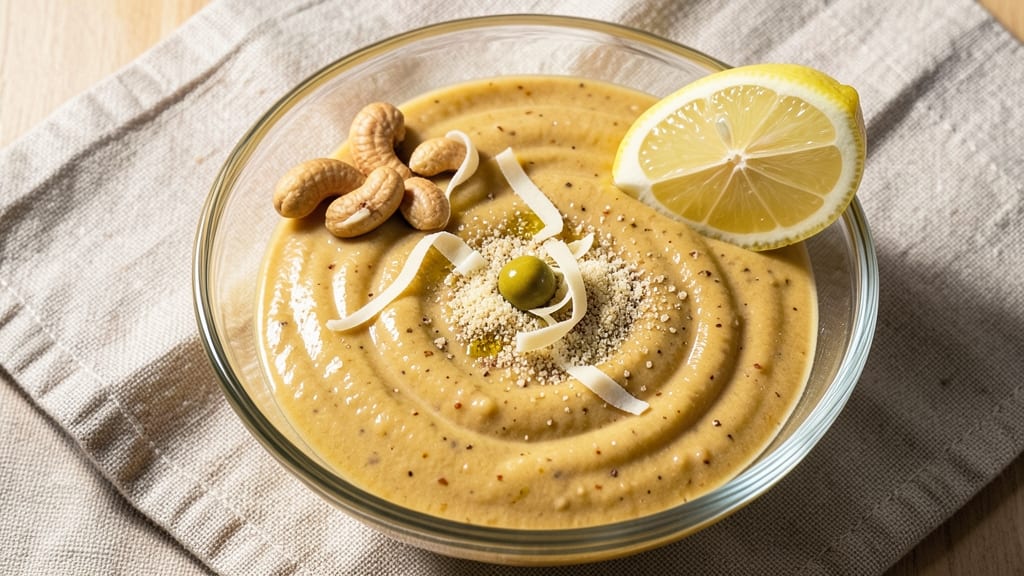
This anchovy-free Caesar salad dressing delivers all the creamy, herby richness of the classic without the fishy aftertaste. The secret lies in a blend of Dijon mustard, garlic, and nutritional yeast for that signature umami depth, while cashew cream replaces anchovies for a velvety texture.
I developed this recipe after years of testing vegetarian alternatives—finally achieving a dressing that stands up to crisp romaine and croutons.
What sets this dressing apart is its balanced flavor profile: tangy lemon brightens the richness, while fresh parsley and black pepper add freshness. The cashew cream base ensures it's dairy-free but still luxurious, with no separation or graininess.
Unlike store-bought versions, this recipe uses simple pantry staples and comes together in 10 minutes with no special equipment.
Once mixed, this dressing transforms any salad into a restaurant-worthy dish—creamy yet light, with just enough acidity to cut through rich toppings. It keeps well in the fridge for 5 days, making it perfect for meal prep.
The best part? No one will guess it's anchovy-free until you tell them.
Pair it with grilled chicken, avocado, or crispy veggies for a complete meal. The recipe scales easily, so double the batch for entertaining. Here's how to make it—simple, foolproof, and utterly delicious.
Ingredients for anchovy free caesar salad dressing
Ten simple ingredients transform into restaurant-quality Caesar dressing without anchovies.
| Ingredient | Amount | Notes |
|---|---|---|
| Raw Cashews 🥜 | 1 cup | Soaked in hot water for 15 minutes |
| Fresh Lemon Juice 🍋 | ½ cup | Freshly squeezed from 2 lemons |
| Dijon Mustard 🍯 | 2 tbsp | High-quality for tangy depth |
| Nutritional Yeast 🧀 | ½ cup | Fortified, unsulfited preferred |
| Garlic Cloves 🧄 | 4 cloves | Freshly minced for bold flavor |
| Extra-Virgin Olive Oil 🫒 | ½ cup | Light, fruity variety preferred |
| Fresh Parsley 🌿 | ¼ cup | Finely chopped, stems included |
| Ground Black Pepper 🌶️ | 1 tsp | Freshly cracked for intensity |
| Diamond Crystal Kosher Salt 🧂 | 1 tsp | Adjust to taste after mixing |
| Cold Water 💧 | ¼ cup | For blending cashew cream |
The cashews form the creamy base, so soaking them in hot water is critical—they blend into a velvety texture that mimics traditional Caesar. Trader Joe's sells pre-soaked cashews, but whole raw cashews are more cost-effective and fresher. Nutritional yeast is non-negotiable here; Bob's Red Mill or Bragg brands deliver consistent umami depth. For garlic, use fresh cloves—jarred minced lacks the complexity. The olive oil should be light and fruity; California Avocado or Colavita brands excel. Fresh parsley adds brightness, but if you're short, dried parsley at half the amount works in a pinch.
No cashews? Silken tofu or blended white beans create a similar texture, though the flavor will differ slightly. Substitute Dijon mustard with whole-grain mustard for a milder tang. For extra richness, add 1 tbsp vegan mayonnaise or avocado puree. The lemon juice can be bottled, but freshly squeezed delivers vibrant acidity. If you prefer a thinner dressing, add 1-2 tbsp water after blending. For a smokier profile, swap half the olive oil for smoked paprika-infused oil. Always taste as you go—this dressing is highly adaptable to personal preference.
Store in an airtight glass jar in the fridge for up to 5 days. The cashew base thickens when chilled, so stir before each use. For long-term storage, freeze in ice cube trays—thaw overnight in the fridge. This dressing thickens naturally over time, so thin with water or lemon juice as needed. Double the batch for meal prep; it keeps just as well. The flavor actually improves after 24 hours as the ingredients meld.
Why You'll Love This Recipe
- No-Soak Hassle: I toss raw cashews straight into the blender—no prepping, no waiting. Five minutes later, that creamy base is ready, and honestly? The texture is just as rich as anything that sat overnight.
- Umami Magic: Between the nutritional yeast and Dijon, this dressing packs a savory punch without anchovies. That tangy garlic kick? It’s the kind of flavor that makes you reach for seconds, even if you’re not a Caesar fan.
- Weeknight Hero: Drizzle it over grilled chicken, toss it with pasta, or use it as a sandwich spread. Between us, I’ve even slathered it on toast when I forgot lunch—no judgment here.
- Budget Win: Cashews and nutritional yeast stretch this recipe farther than store-bought. Plus, the lemon juice and garlic are pantry staples, so I’m always covered without breaking the bank.
Step-by-step instructions for anchovy-free Caesar salad dressing
This velvety herb cream delivers all the umami depth of traditional Caesar without the fishy aftertaste.
Soak and Blend the Cashew Cream Base
Place the 1 cup raw cashews in a heatproof bowl and pour ½ cup hot water over them. Let them soak for 15 minutes—this softens them enough to blend into a silky cream. I use freshly boiled water that's still steaming when poured over the cashews for maximum efficiency.
After soaking, drain any excess water and transfer the cashews to a high-speed blender. Add the ½ cup cold water and blend until completely smooth. You should end up with a thick, pale yellow cashew cream. This forms the rich, creamy foundation that replaces traditional mayo or anchovy-based dressings. If the mixture looks grainy, add 1-2 tablespoons cold water and blend again until perfectly smooth.
Incorporate Acid and Umami Elements
With the blender still running, slowly drizzle in the ½ cup extra-virgin olive oil while maintaining medium-high speed. This gradual addition prevents the oil from separating and creates an emulsified base. After the oil is fully incorporated, add the ½ cup fresh lemon juice and 2 tbsp Dijon mustard. The lemon juice brightens the flavor while the Dijon adds tangy depth—both critical for balancing the richness.
Next, add the ½ cup nutritional yeast and 4 cloves minced garlic. The nutritional yeast provides that signature cheesy, umami punch that traditionally comes from anchovies, while the garlic delivers aromatic complexity. Pulse the blender briefly to combine these dry ingredients without over-processing the mixture. The goal is to distribute them evenly without breaking down the delicate emulsification you've already created.
Finish with Herbs and Seasonings
Transfer the dressing to a mixing bowl and stir in the ¼ cup finely chopped fresh parsley using a silicone spatula. The parsley adds freshness and vibrant color that elevates the dressing beyond basic creamy textures. I like to press the parsley through a fine-mesh strainer to remove any fibrous stems that could make the texture gritty.
Season generously with 1 tsp freshly cracked black pepper and 1 tsp Diamond Crystal kosher salt. Taste and adjust the salt—this is where nutritional yeast's saltiness comes into play, so you might need less than you'd expect. The dressing should be tangy, herby, and rich with umami depth, but not overpowering. If it tastes too thick, thin with 1-2 tablespoons cold water until it reaches a pourable, velvety consistency that coats the back of a spoon.
Rest and Perfect the Texture
Cover the dressing and refrigerate for at least 30 minutes before serving. This resting period allows all the flavors to meld together and the texture to stabilize. The dressing will thicken slightly as it chills, which is perfect for tossing with crisp romaine. If you need to use it immediately, let it sit at room temperature for 10 minutes while you prepare your salad—this prevents the dressing from shocking cold lettuce.
The key to success here is patience. Don't be tempted to taste it right after blending—flavors develop as they rest. When you're ready to serve, give it one final taste and adjust the seasoning if needed. This dressing keeps well in the refrigerator for up to 5 days, making it perfect for meal prep. The nutritional yeast actually becomes more flavorful over time, so the taste improves with storage.
Pro Tips For Making Anchovy Free Caesar Salad Dressing
- SOAK CASHEWS IN HOT WATER: I learned this the hard way—cold water soaking leaves cashews tough and grainy. Use boiling water instead, then let them sit for 15 minutes. The heat breaks them down faster, and you’ll get that creamy texture without overworking the blender.
- ZEST THE LEMON FIRST: Skip the juice until you’ve grated the zest—it’s the bright, aromatic punch this dressing needs. Toss that zest into the blender with the cashews and garlic while they soak; it’ll infuse the base and save you from adding extra lemon later.
- USE ROASTED GARLIC: Raw garlic can taste sharp and metallic in this dressing. Roast a whole head at 400°F for 35 minutes instead—squeeze the cloves out, and you’ll get a mellow, sweet depth that blends seamlessly. (Yes, it’s worth the extra 10 minutes.)
- WHISK IN MUSTARD LAST: Add the Dijon mustard after blending the cashew base, then thin with water or lemon juice. Starting with it can make the dressing too thick and clumpy—you’ll end up fighting the blender instead of letting it emulsify smoothly.
Perfect pairings for this anchovy free caesar salad dressing
Herb-Infused Salads
This anchovy-free Caesar dressing pairs beautifully with arugula and basil salads—the peppery bite of arugula complements the creamy texture, while fresh basil adds a bright contrast. I love tossing it with shaved fennel and radishes for extra crunch and a subtle sweetness that balances the dressing's richness.
For a heartier option, add roasted beets and toasted walnuts—the earthy notes harmonize perfectly with the umami depth. 🌿
Protein-Packed Bowls
Transform this dressing into a meal by pairing it with grilled chicken or tofu. The creamy texture clings to protein beautifully, making it ideal for grain bowls. I often combine it with quinoa or farro, roasted sweet potatoes, and avocado for a balanced, plant-based meal.
For extra protein, add white beans or chickpeas—their mild flavor lets the dressing shine. The dressing also works wonderfully with smoked salmon for a vegetarian-friendly twist on classic Caesar flavors.
Crispy Vegetable Sides
Use this dressing as a dip for crispy Brussels sprouts or roasted broccoli. The creamy texture contrasts perfectly with the caramelized edges, while the herby notes cut through the richness.
I also love drizzling it over baked zucchini fries or cauliflower steaks—the acidity in the dressing prevents the veggies from tasting dry. For a complete meal, serve with garlic bread or warm pita to soak up any extra dressing.
The dressing's versatility makes it a great addition to any vegetable-centric dish.
Breakfast Applications
Don't limit this dressing to salads—it's also fantastic for breakfast! Drizzle it over avocado toast on sourdough or spread it on toasted bagels with smoked salmon. The umami depth makes it a great alternative to traditional Caesar in breakfast dishes.
For a heartier option, mix it into scrambled tofu or eggs—the creamy texture adds richness without overpowering the dish. The dressing's tangy brightness also pairs well with sweet potato hash or breakfast potatoes, adding a savory kick to morning meals.
Dinner Party Elevations
For entertaining, this dressing shines as a dipping sauce for crostini or bruschetta. Top toasted baguette slices with whipped ricotta or goat cheese, then drizzle with the dressing and a sprinkle of chopped parsley.
It also elevates charcuterie boards—pair it with marinated olives, artichokes, and roasted nuts for a sophisticated spread. The dressing's creamy texture and bold flavors make it a standout addition to any dinner party menu, especially when served with warm crusty bread for dipping. ✨
Beverage Pairings
Pair this dressing with crisp white wines like Sauvignon Blanc or Pinot Grigio—their bright acidity complements the dressing's tangy notes. For beer lovers, a Belgian witbier or German Helles lager provides a refreshing contrast.
Sparkling water with a splash of lemon juice is a great non-alcoholic option, while iced tea with mint adds a refreshing twist. The dressing's herby, umami profile also pairs well with light-bodied rosé wines, making it a versatile choice for any meal. 🍷
Nutrition facts
Frequently asked questions
Can I make this dressing without cashews?
For a nut-free version, substitute the cashews with ½ cup silken tofu or ½ cup well-drained white beans (like cannellini). Blend these with the same ½ cup cold water until completely smooth. The texture will be slightly different but still creamy. For extra richness, add 1 tbsp vegan mayonnaise or avocado puree.
Why does my dressing get grainy?
Graininess usually happens when cashews aren't blended long enough or when oil is added too quickly. Always blend the cashew cream until completely smooth before adding oil. If it's still grainy, add 1-2 tablespoons cold water and blend again. For extra insurance, strain the finished dressing through a fine-mesh sieve to remove any remaining texture.
How can I make this dressing spicier?
Add ½ teaspoon red pepper flakes or 1 teaspoon hot sauce to the finished dressing for heat. For a smoky kick, swap half the olive oil for smoked paprika-infused oil. If you prefer subtle spice, try ½ teaspoon cayenne pepper or a pinch of Aleppo pepper. Always taste first—you can adjust the heat level to your preference.
Will this dressing work with other greens besides romaine?
Yes! This dressing works beautifully with arugula, spinach, or mixed greens. For heartier greens like kale or Swiss chard, massage them with a little olive oil first to soften them. The creamy texture pairs especially well with shredded Brussels sprouts or cabbage for a satisfying crunch. The dressing's tangy brightness cuts through any bitter notes in the greens.
Can I use this dressing on pasta or grains?
Toss it with penne, farro, or quinoa for a creamy Caesar-inspired pasta dish. The dressing clings well to grains, especially when slightly thinned with 1-2 tablespoons water. For extra texture, top with toasted breadcrumbs or croutons. It also works wonderfully as a sauce for baked potatoes or stuffed peppers—just warm it gently before serving.